
Walking down the grocery aisle today can feel a bit overwhelming. From glossy pouches and rustic cardboard boxes to sleek metal tins and glass jars, the variety of food packaging on the market is dizzying. For a business owner, this abundance of choice presents a real challenge. You aren’t just picking a container; you are choosing the face of your brand, the guardian of your product’s freshness, and a key factor in your shipping costs. With consumers becoming more eco-conscious and shelf competition fiercer than ever, selecting the “right” packaging has become one of the most difficult—and critical—decisions you will make.
Why Is Packaging Important?
You might have the most delicious cookie or the most potent spice blend on the market, but if your packaging fails, your business will likely struggle. Packaging plays several vital roles that go far beyond simply holding your product.
First and foremost, protection is paramount. The primary job of packaging is to ensure your food survives the journey from your facility to the customer’s pantry without crushing, spoiling, or leaking. It acts as a barrier against oxygen, moisture, light, and bacteria—the four enemies of shelf life.
Secondly, packaging is your silent salesman. In a retail environment, you have about three seconds to grab a shopper’s attention. Your packaging communicates your brand story, your price point, and your values before the customer even reads the label. A flimsy container screams “cheap,” while a sturdy, well-designed vessel signals “premium quality.”
Finally, convenience and legal compliance matter. Good packaging is easy to open, resealable (if necessary), and clearly displays FDA-mandated nutritional information. It balances the practical needs of logistics with the emotional needs of the consumer.

Different Kinds of Food Packaging
To make an informed choice, you need to know the landscape. Here are the most common types of packaging materials used in the food industry today:
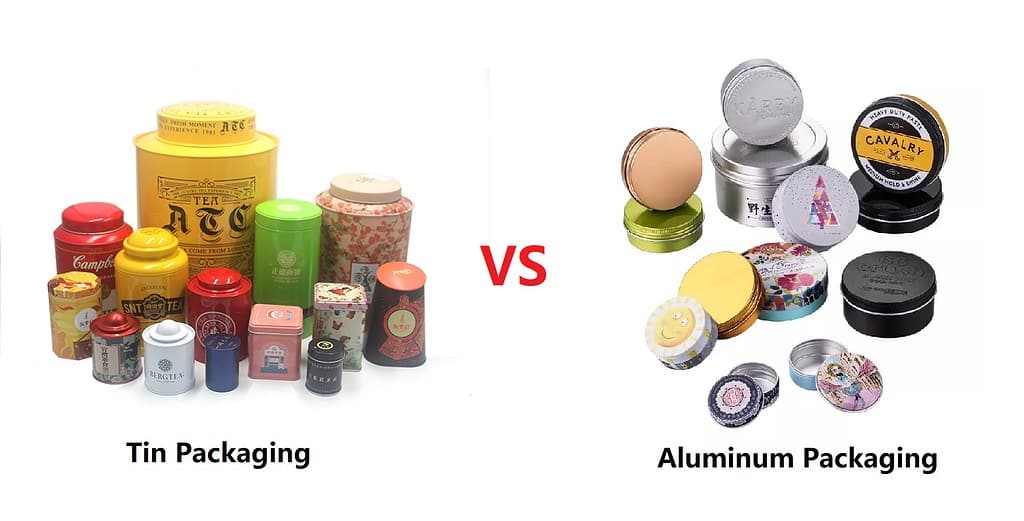
- Aluminum and Metal Containers: Metal is a powerhouse in the packaging world. Aluminum canisters, tins, and bottles offer arguably the best barrier protection against light and oxygen, significantly extending shelf life. They are durable, shatterproof, and provide a premium “hand-feel.” Most importantly for the modern consumer, aluminum is infinitely recyclable, making it a top tier eco-friendly choice.
- Glass Jars and Bottles: Glass is the traditional standard for jams, sauces, and beverages. It is chemically inert (meaning it won’t change the taste of the food) and transparent, allowing customers to see the product. However, glass is heavy to ship and fragile, which increases logistics costs and breakage risks.
- Paperboard and Cardboard: Used for everything from cereal boxes to tea cartons. It is lightweight, cheap, and easy to print on. However, without a plastic or foil liner, it offers poor protection against moisture and air, limiting its use for perishable items.
- Rigid Plastic: Plastic tubs and bottles are ubiquitous because they are lightweight and impact-resistant. While versatile, plastic is facing a major backlash regarding sustainability. Many consumers are actively trying to reduce their single-use plastic consumption.
- Flexible Pouches (Mylar/Plastic): These stand-up bags are popular for snacks and coffee. They are incredibly light and take up less space in landfills than rigid plastic. However, they are often difficult to recycle because they are made of multi-layered materials.
- Corrugated Boxes: Primarily used for shipping or wholesale pizza boxes, this material provides excellent cushioning and thermal insulation but isn’t suitable for direct contact with wet foods.
Factors to Consider When Choosing Packaging
When narrowing down your options, you need to weigh several competing factors. There is rarely a “perfect” package, but there is definitely a “best fit” for your specific needs.
Product Requirements and Shelf Life
Does your product need to “breathe” (like fresh produce), or does it need a hermetic seal to prevent oxidation (like coffee or olive oil)? For example, high-fat products like nuts or chocolates need protection from light to prevent rancidity. In this case, aluminum packaging is superior to clear plastic or glass because it blocks 100% of UV light.
Budget and Logistics
Don’t just look at the unit cost of the container; look at the Total Cost of Ownership (TCO). Glass might seem cheap per unit, but its weight will skyrocket your shipping costs. A lightweight aluminum bottle or a flexible pouch can save you thousands in freight charges over a year. Additionally, consider storage—can the empty packaging be stacked efficiently in your warehouse?
Sustainability and Brand Image
This is no longer a niche concern; it is a mainstream demand. American consumers are increasingly checking if packaging is recyclable or biodegradable. Using materials like aluminum, which boasts high recycling rates, can be a major selling point. If your brand ethos is “natural” or “earth-friendly,” wrapping your product in excessive plastic will alienate your target audience.
Customization and Design
How easy is it to print on the material? Paper and cardboard are easy to print, but metal offers opportunities for embossing and debossing that create a luxury feel. You want a surface that showcases your logo and complies with labeling regulations clearly.
How to Choose the Right Food Packaging for Your Product?
Now that we understand the materials and the factors at play, let’s break this down into a step-by-step process to help you make the final decision.
Step 1: Define Your Product’s Physical Needs Start with the science. Is your food liquid, solid, or semi-solid? Is it sensitive to light or temperature changes?
- If you sell coffee beans: You need a valve to let gas out and a barrier to keep oxygen out. An aluminum tin or a foil-lined pouch is essential.
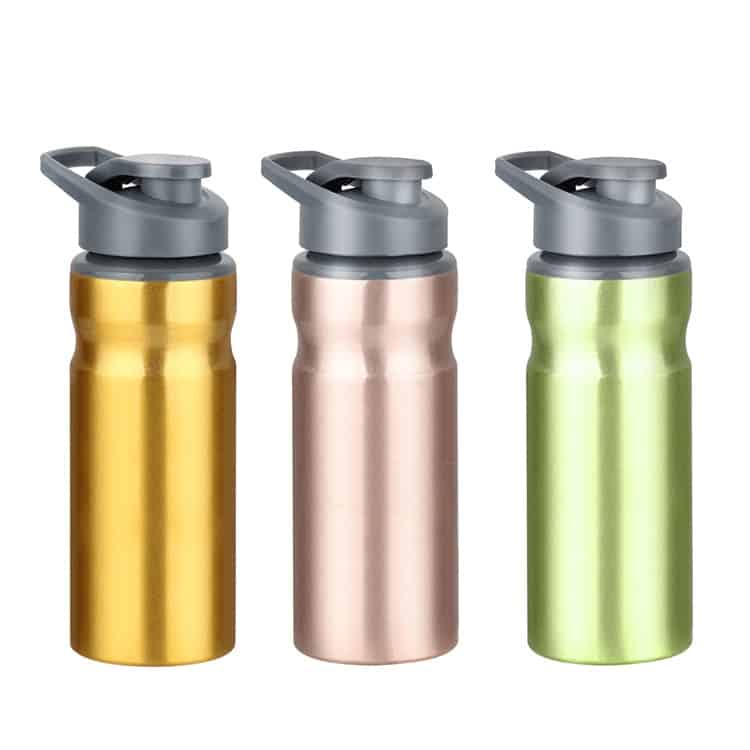
- If you sell beverages: You need a waterproof seal. Aluminum bottles are trending heavily here because they keep drinks cooler for longer and don’t break like glass.
Step 2: Analyze Your Distribution Channel Where will your product be sold?
- Supermarket Shelves: You need something that stacks well and has a flat “billboard” area for your logo to face the customer.
- E-commerce/Online: Durability is key. The package must survive the rough handling of courier services. Metal packaging is excellent here because it resists crushing better than cardboard and doesn’t shatter like glass, reducing your refund rates for damaged goods.
Step 3: Calculate Your Budget (Including Freight). Get quotes for the packaging units, but immediately calculate the shipping weight.
- Pro Tip: Aluminum is one of the most cost-effective materials for shipping because it provides the strength of rigid packaging with a fraction of the weight of glass. This “lightweighting” strategy is a secret weapon for keeping margins healthy.
Step 4: Align with Sustainability Goals Decide how “green” you want to be. If you want to market your product as sustainable, avoid mixed materials (like paper with plastic windows) that are hard to recycle.
- Recommendation: Consider FLYTINBOTTLE’s range of aluminum containers. Aluminum is one of the only materials that can be recycled over and over again without losing quality. Using a “forever material” like this creates a powerful marketing story for your brand.
Step 5: Prototype and Test Never place a bulk order without testing. Get samples. Put your food inside and leave it for a week or a month. Does it taste different? Did the oil seep through?
- Check the “unboxing” experience. Is it easy for the customer to open?
- If you are looking for specialized metal solutions, suppliers like FLYTINBOTTLE often assist with customization options, allowing you to test different shapes and sizes (like pomaderas or screw-top tins) to see what fits your brand aesthetic best.
Step 6: Compliance check Ensure the material is FDA-approved for food contact (Food Grade). Ensure your label design fits the dimensions and legal requirements (Nutrition Facts, net weight, etc.).
Final Thoughts
Choosing the right food packaging is a balancing act between science, art, and economics. While plastic is cheap and glass is classic, metal and aluminum packaging are rapidly becoming the preferred choice for modern brands looking to combine premium aesthetics, robust protection, and genuine sustainability.
Whether you are launching a new line of spices, premium chocolates, or artisanal beverages, the packaging is the first thing your customer sees. Make it count.
If you are ready to explore high-quality, sustainable, and customizable packaging options, explore the extensive catalog at FLYTINBOTTLE.com. As experts in aluminum packaging, they can provide the specific solutions you need to make your product stand out on the shelf and arrive safely in your customers’ hands.
Contact us
Looking for sustainable food packaging (metal tinplate, aluminum, aluminum foil, or paper)? Please contact us.
FAQ:
Related articles

How To Choose Safe Water Bottles & Best Water Bottle Brands
How to choose the right food packaging for your product

The Ultimate Guide to DIY Lip Balm Recipes: From Tallow to Vegan Blends

Are Christmas Tins Recyclable

Are Candle Tins Recyclable?

Are Popcorn Tins Recyclable?
Are Aluminum Tins Recyclable?

Water Bottle Sizes

Perfume Bottle Sizes

Why Are Ball Aluminum Cups so good?

How to Store Matcha Powder

Ultimate Guide to Nuts Packaging

Is Tin metal?

Complete Guide to Vitamin & Supplement Packaging

Aluminum Cups: A Revolution Alternative to Paper and Plastic?

Muffin Pan VS Cupcake Pan

Muffin pan sizes

What is a muffin tin

The Ultimate Guide of Matcha Packaging

Can you put aluminum water bottles in the dishwasher

Path Water Bottle Introduction
Are aluminum cups safe

Do Stainless Steel Cups Have Lead?

Is Aluminum Recyclable?
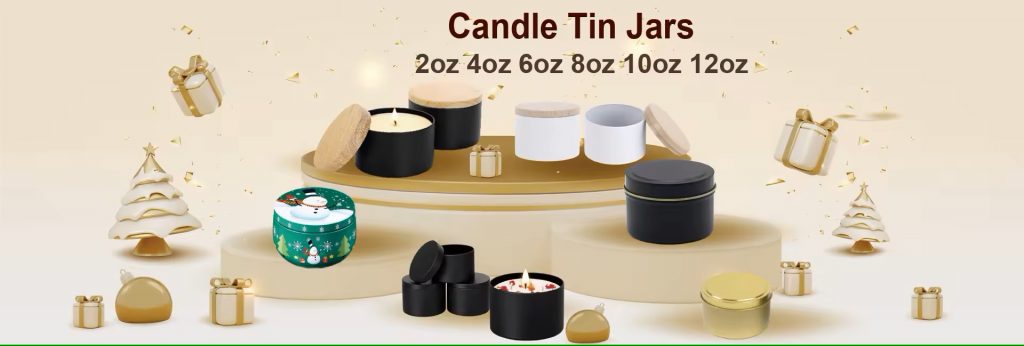
Ultimate Guide for Candle Tins- Metal Candle Containers
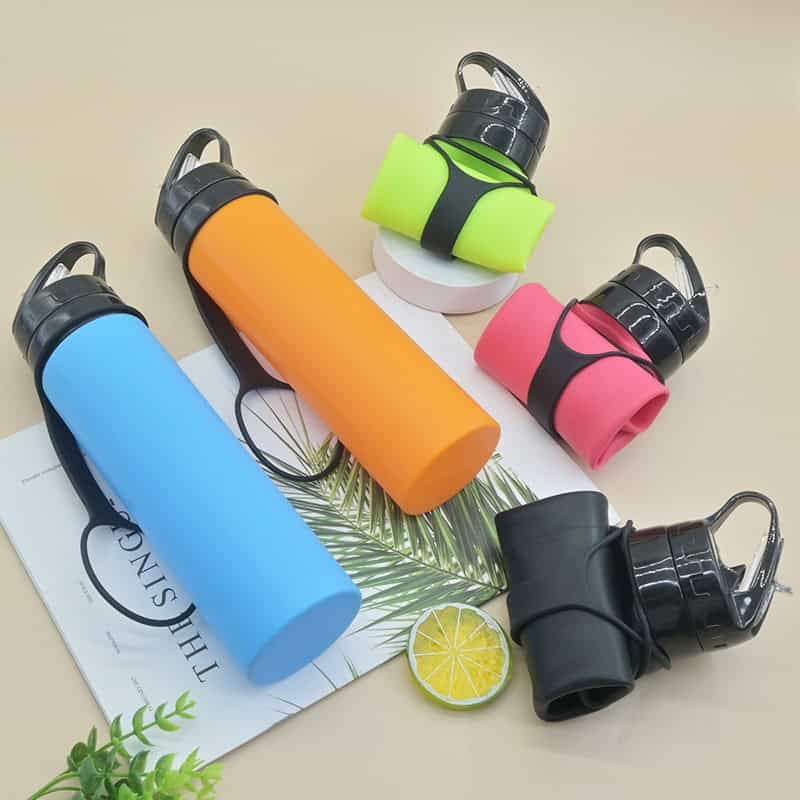
Aluminum vs Plastic Water Bottle
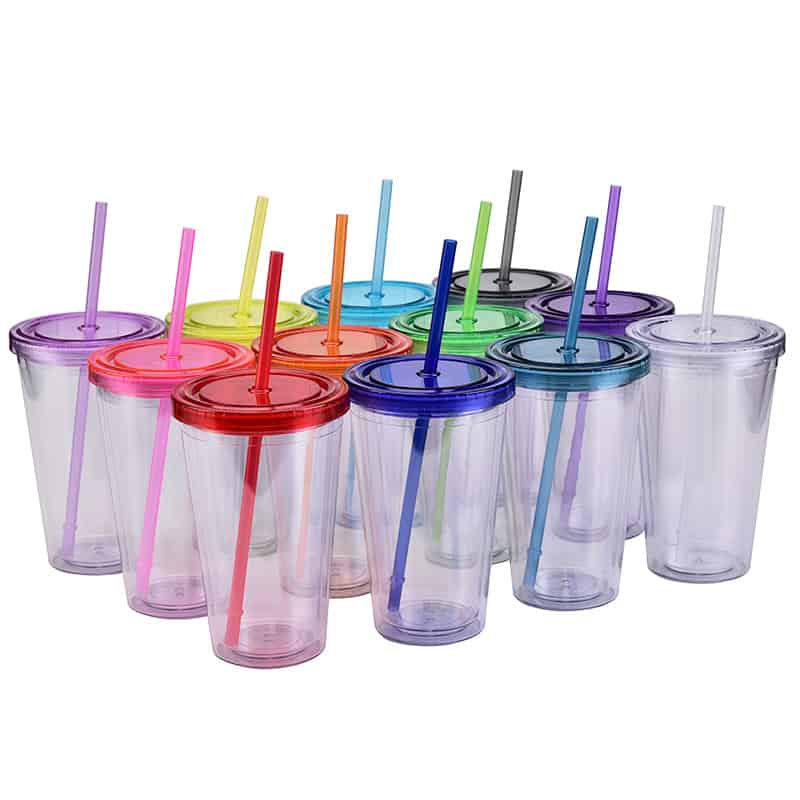
Metal and Plastic Cup: Which is Better?
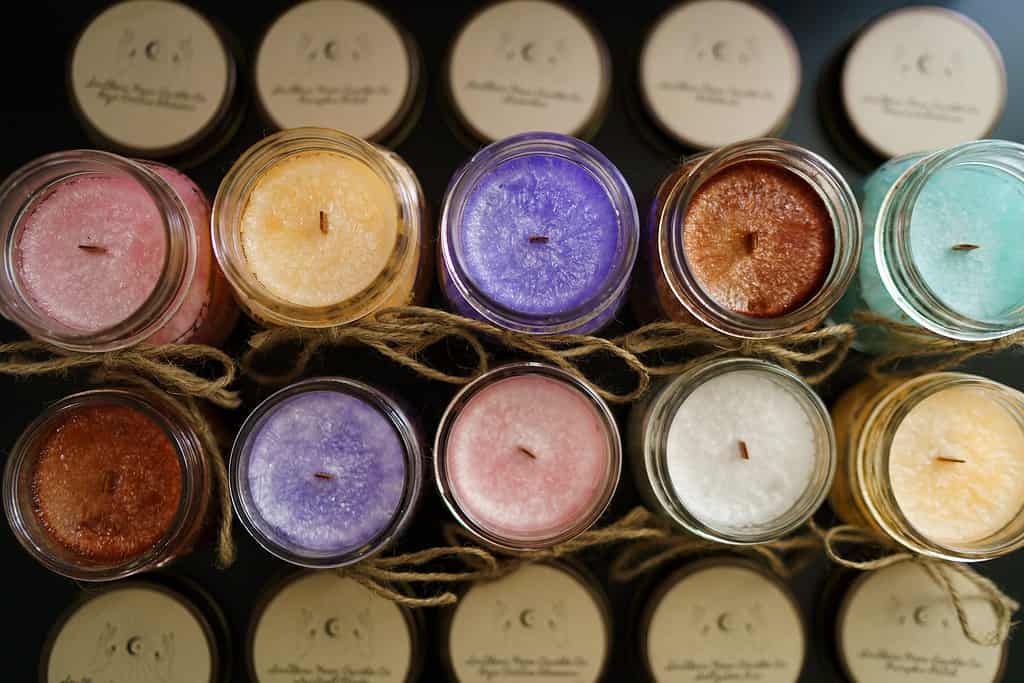
Candle Making FAQ
Tin vs Aluminum Packaging—Which is Better?
Best Candle Jars & Tins & Containers
What Are Tin Cans Made Of
How To Clean Perfume Atomizer
Soy wax vs beeswax
Best Perfume Atomizers -Ultimate Guide 2026
What is a container candle
Are stainless steel cups safe?
Aluminum Cigar Tubes vs Glass Cigar Tubes vs Plastic Cigar Tubes: Which One is the Best?
The Ultimate Guide to the Best Tea Tins: Preserving Freshness and Flavor
Why Tins are Ideal for Tea and Loose Leaf Tea Storage
Candle Tins vs Candle Jars: The Ultimate Showdown
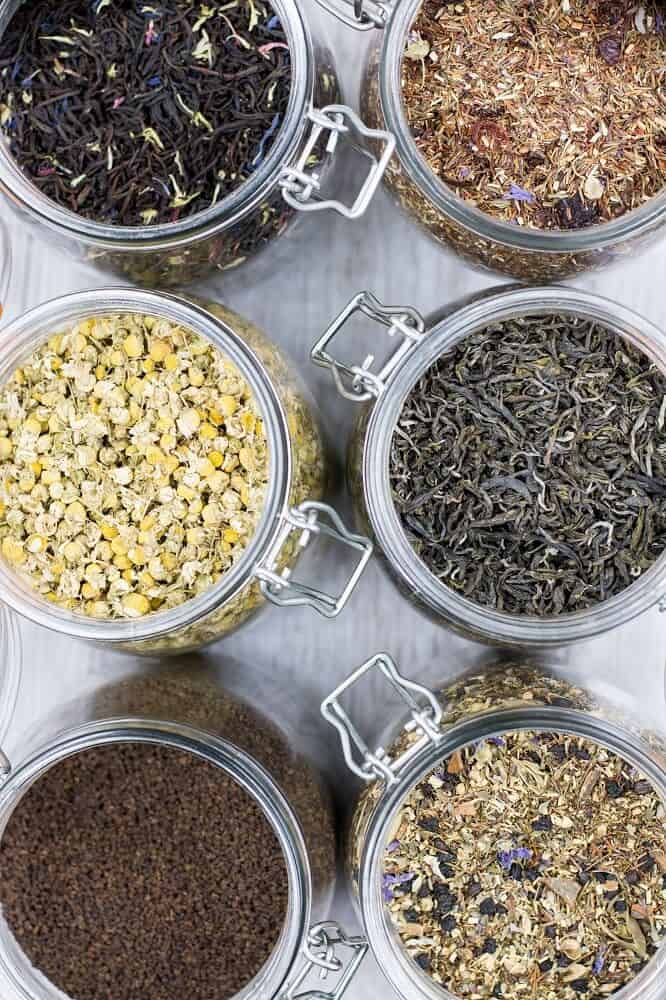
How Long Does Tea Last in a Tin
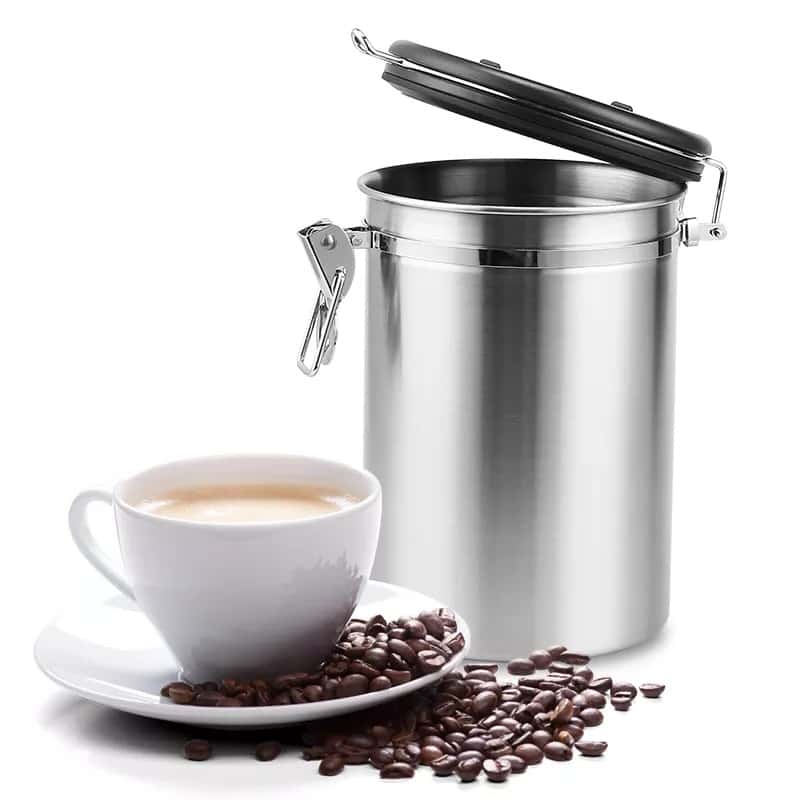
How long does coffee last in airtight container

Aluminum water bottle vs stainless steel
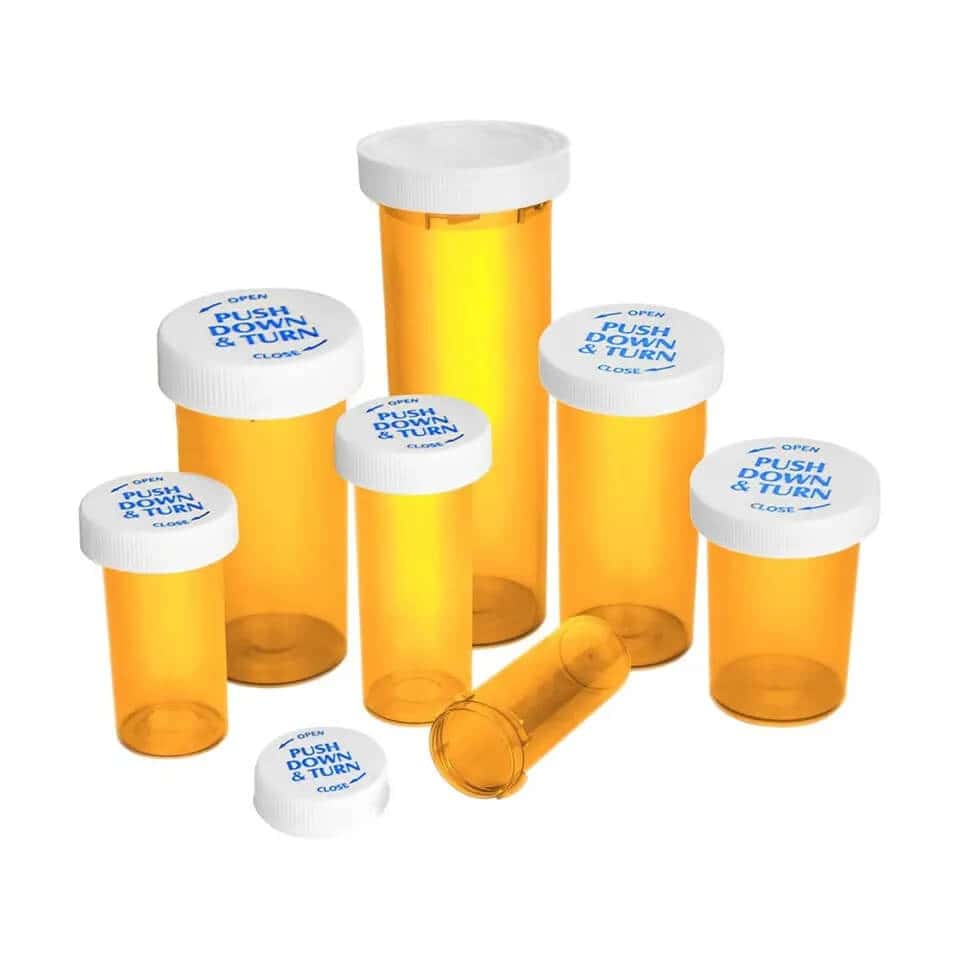
Recycle Pill Bottles
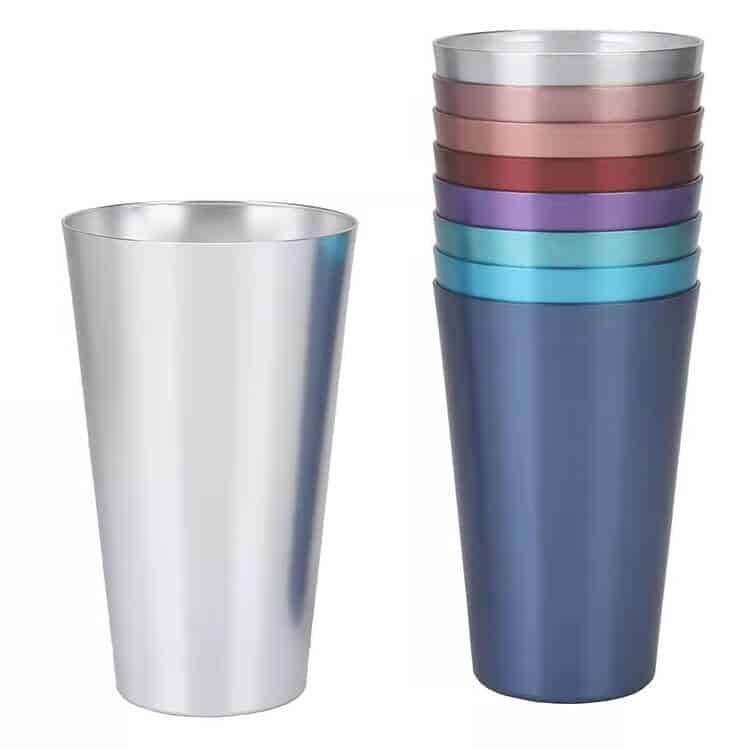
Aluminum Cups vs Stainless Steel Cups
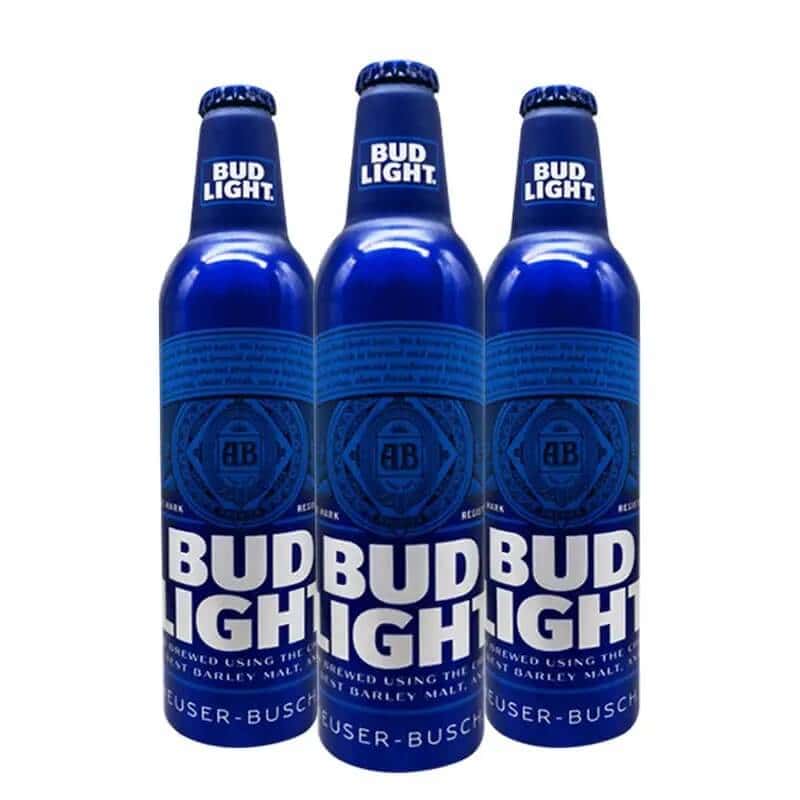
Bud Light Aluminum Bottle Introduction
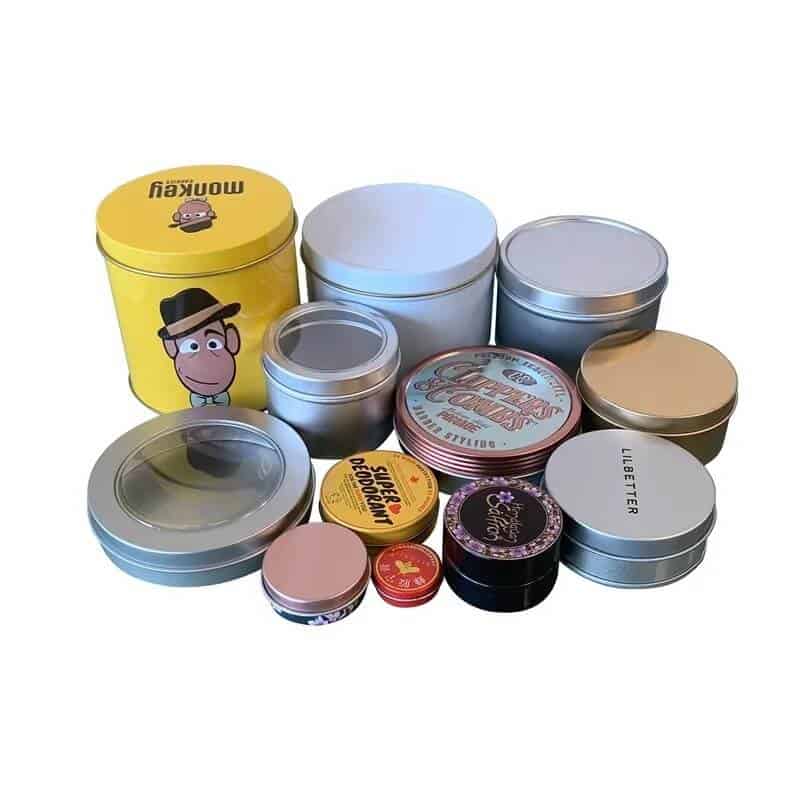
Custom tins

Disposable aluminum cups
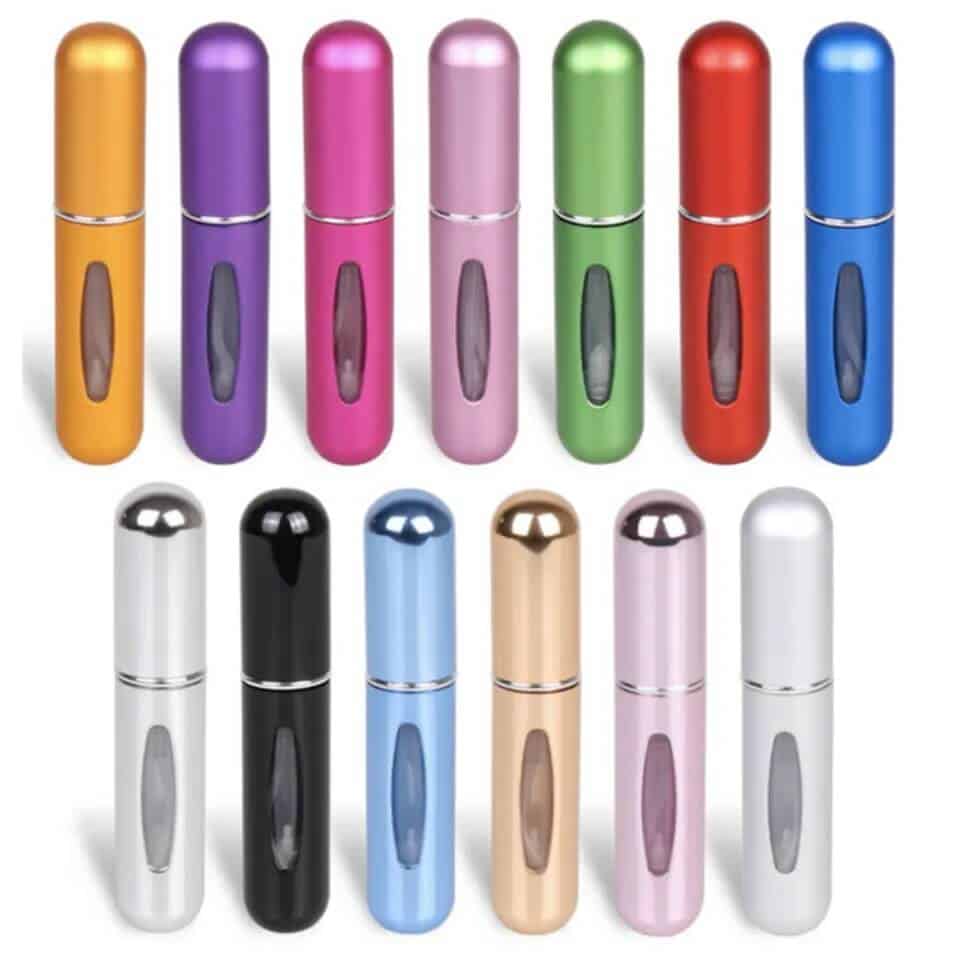
What is a Perfume Atomizer and How Does It Work?
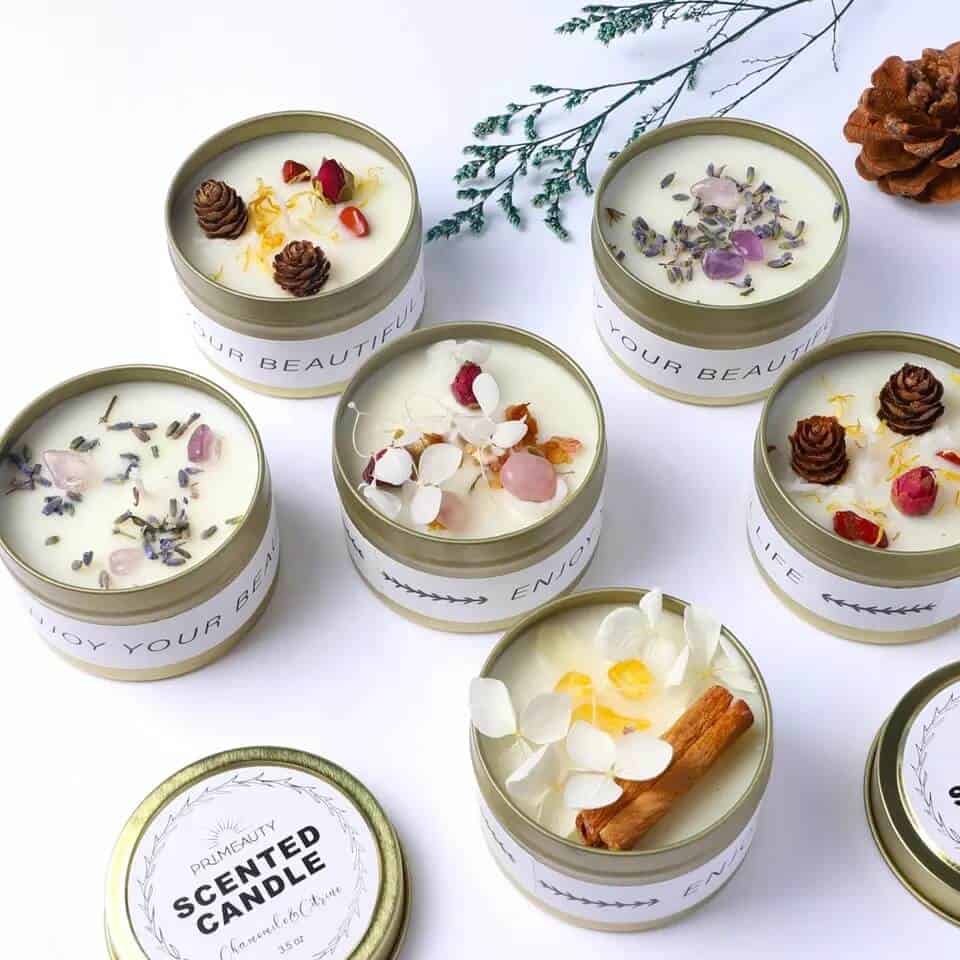
Candle tins wholesale uk
Best Coffee Canister 2026-Ultimate Guide and Review
Are Aluminum Cups Dishwasher Safe
What Spray Bottles Used To Store And Dispense Degreaser?
Are Aluminum Cups Recyclable and Safe To Drink From?
Are Aluminum Water Bottles Safe

Types of food packaging
Best and easiest recipe to make natural lip balm at home

Are Tins Recyclable?