Image this: The lights dim, the trailers start rolling, and you are settling into your seat at the cinema. In your lap sits a giant, decorative tin filled to the brim with buttery, salty popcorn. Or perhaps you just hosted a Super Bowl party or a holiday gathering, and the centerpiece was that classic tri-flavor popcorn tin (you know the one—caramel, cheese, and butter).
But once the credits roll or the guests leave, you are left with an empty metal container. As you clean up, a question might pop into your head: Are popcorn tins recyclable?
Instead of tossing that sturdy container into the trash, let’s look at why this specific packaging is one of the most sustainable choices you can make, and how to properly dispose of it.
What is a Popcorn Tin?
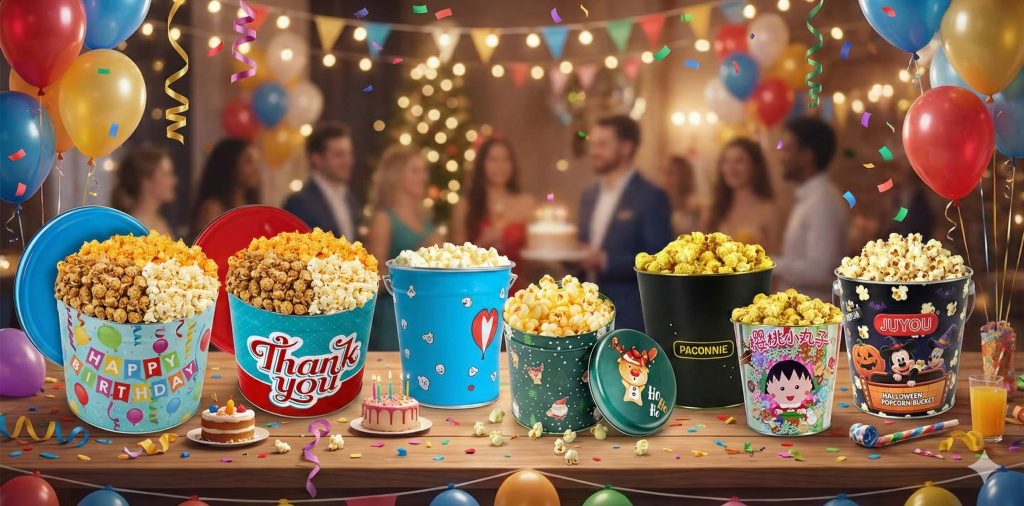
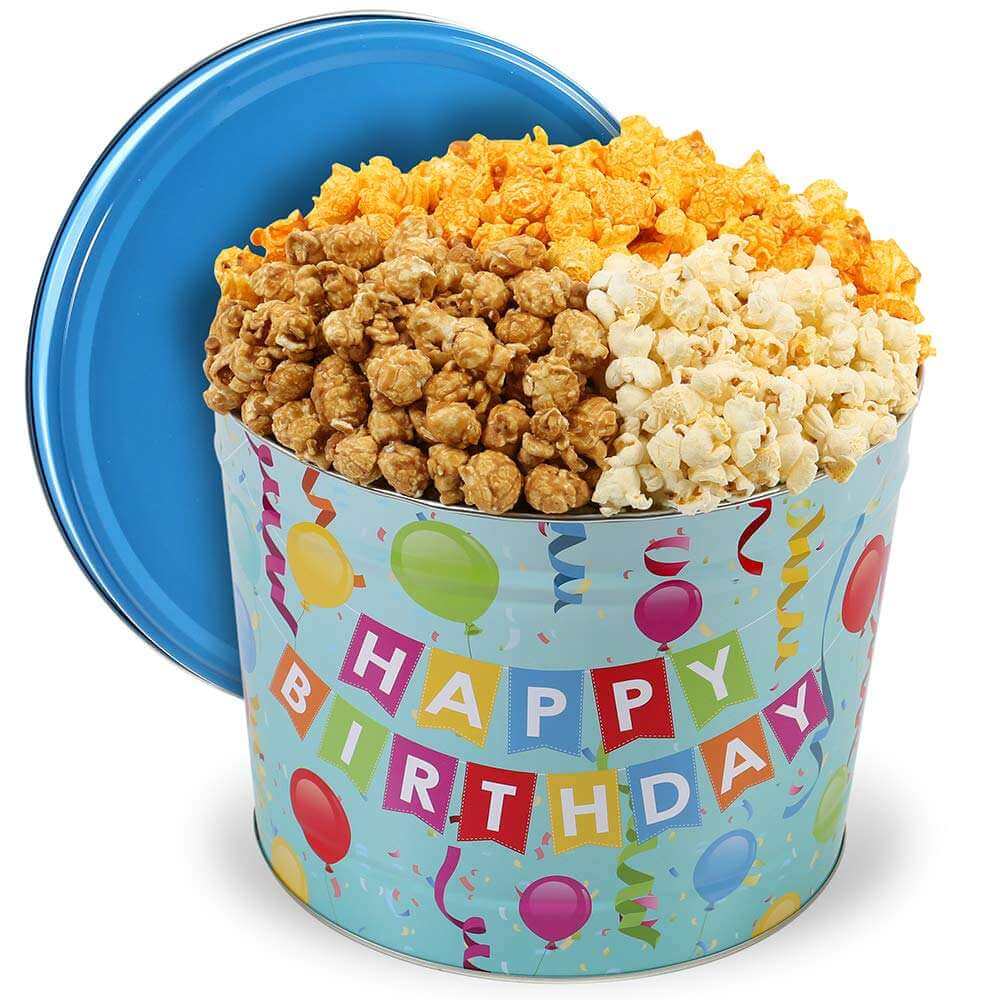
A popcorn tin is a large, usually cylindrical or slightly tapered container designed specifically to hold popcorn. Unlike the flimsy paper bags you get at the concession stand or the plastic bowls you use at home, popcorn tins are rigid, durable, and often decorative. They come with a tight-fitting lid to keep the kernels fresh and crisp for weeks. Ranging from small gift sizes to massive 3.5-gallon buckets, these tins have become iconic in American culture, especially during the holidays or as collector’s items for movie releases.
When are Popcorn Tins Used?
Popcorn tins are the heavy lifters of the snack world. You will see them shining in a variety of scenarios:
- Movie Theaters: Many cinemas sell collectible tins for blockbuster releases (think Star Wars or Marvel movies) that offer cheap refills.
- Holiday Gifts: The “trio” tin is a staple Christmas gift in the U.S., often given to colleagues, teachers, or brought to potlucks.
- Parties & Celebrations: From birthdays to graduation parties, they serve as excellent, shatterproof serving bowls.
- Corporate Gifting: Companies often send branded popcorn tins as end-of-year “thank you” gifts to clients.
- Picnics & Camping: Because they seal tight and keep ants out, they are perfect for outdoor snacking.
What are Popcorn Tins Made Of?
While we casually call them “tins,” they aren’t made of pure tin metal. High-quality popcorn tins are manufactured from Tinplate.
Tinplate is essentially a thin sheet of steel that has been coated with a very fine layer of tin.
- The Steel Core: Provides incredible strength and durability. It’s what makes the tin dent-resistant and rigid.
- The Tin Coating: Acts as a barrier against rust and corrosion. It is food-safe and ensures that the metal doesn’t react with the salt or oils in your popcorn.
This combination creates a material that is robust, food-grade, and, crucially, magnetic—which plays a huge role in how it gets recycled later on.
Are Popcorn Tins Recyclable?
The short and happy answer is: Yes, absolutely.
Popcorn tins are 100% recyclable. In fact, steel (the main component of tinplate) is the most recycled material on the planet, more than plastic, paper, glass, and aluminum combined.
Why choose tin over plastic? When you opt for a popcorn tin instead of a plastic tub, you are making a conscious choice for the environment. Plastic containers often degrade during the recycling process (“downcycling”) and eventually end up as waste. Metal, however, is a permanent material. It can be recycled infinitely without losing its strength or quality. Your empty popcorn tin could become a car part, a beam for a building, or a brand new popcorn tin in its next life.
How Are Popcorn Tins Made?
As experts in metal packaging, we want to give you a peek behind the curtain. Making a popcorn tin involves a precise series of steps to ensure it is safe, sleek, and durable:
- Coating & Printing: We start with large sheets of flat tinplate. These are coated with food-safe lacquer on the inside and printed with high-resolution designs on the outside while the metal is still flat.
- Slitting: The large printed sheets are fed into a slitting machine, which cuts them into smaller, precise rectangles known as “body blanks.”
- Stamping (Punching): At this stage, if the design requires specific features (like embossed logos or handle holes), a press stamps or punches the flat body blank. This is also where the bottom discs are punched out from separate coils of metal.
- Bending: The corners or edges of the flat body blank may be bent or “pre-flexed” slightly to prepare the metal for the stress of rolling, ensuring a smooth curve without creasing.
- Rolling & Welding: The body blank is rolled into a perfect cylinder. The edges are overlapped slightly and joined together using electric resistance welding to create a strong side seam.
- Flanging & Seaming: The top and bottom edges of the cylinder are flared out (flanged). A separate stamped metal disc is placed on the bottom and double-seamed onto the cylinder to create the floor of the tin.
- Curling (Beading): The sharp top edge of the tin is curled over (rolled) to create a smooth, safe lip. This ensures there are no sharp edges that could cut your hand while you’re reaching for that last kernel.
- Packing: Finally, the tins are visually inspected for quality, stacked, and carefully packed for shipment to cinemas and retailers worldwide.
Where to Recycle Popcorn Tins?
You generally have two main options, and both are easy:
- Curbside Recycling Bin: Most municipal recycling programs in the US and UK accept steel and tin cans in the standard blue bin. Because popcorn tins are made of steel, they are widely accepted.
- Scrap Metal Centers: If you have a large number of tins or your local curbside program is strict, you can take them to a local scrap metal facility. They often pay for steel scrap!
Important Note: Always check with your local waste management provider first. While the metal is recyclable, some facilities may have size restrictions for very large buckets.
The Popcorn Tin Recycling Process
What happens after you toss the tin in the bin? It goes on a fascinating journey:
- Collection: The truck picks up your recycling and takes it to a Materials Recovery Facility (MRF).
- Separation: This is where the magic of magnetism comes in. Large magnets pass over the conveyor belts, instantly snapping up the steel popcorn tins and separating them from plastic, glass, and aluminum.
- Baling: The tins are crushed into large cubes (bales) of steel.
- Melting: These bales are sent to a steel mill, thrown into a furnace, and melted down at over 2800°F (1500°C).
- Reformation: The molten steel is cast into new sheets or coils, ready to be turned into new products.
Can You Reuse Popcorn Tins? (Upcycling)
Before you recycle, consider reuse! Because they are so durable, popcorn tins are excellent candidates for “Upcycling.”
- Storage: They are perfect for storing dog food, bird seed, or flour (they are rodent-proof!).
- Trash Cans: A large popcorn tin makes a great wastebasket for a bedroom or office.
- Planters: Punch a few holes in the bottom for drainage, and you have a vintage-style flower pot.
- DIY Drums: Flip them over, and they make great toy drums for kids.
Final Thoughts: A Sustainable Crunch
Next time you are enjoying a movie night or hosting a party, don’t look at that empty popcorn tin as waste. It is a valuable resource. By answering the question “are popcorn tins recyclable?” with a resounding YES, we can help divert massive amounts of waste from landfills.
At FLYTINBOTTLE, we are committed to producing high-quality metal packaging that supports a circular economy. Whether you reuse it or recycle it, a tin can is a win for the planet.
Contact FLYTINBOTTLE
Looking for high-quality, recyclable metal tin containers for your brand? Explore FLYTINBOTTLE’s range of 100% recyclable tin containers today.
RELATED PRODUCTS:

Why Are Ball Aluminum Cups so good?

Vitamin Bottle

Aluminum Pill Bottle

Aluminum Cups: A Revolution Alternative to Paper and Plastic?

Aluminum Coke Bottles
Aluminum Dropper Bottle
Sparkling Water Aluminum Bottle

Can you put aluminum water bottles in the dishwasher

Aluminum Bottle Caps

Path Water Bottle Introduction
Are aluminum cups safe

Double Lid Tea Canister

Matcha Tea Canister

Aluminum Capsule Bottle

Energy Drink Aluminum Bottle

Aluminum Cosmetic Bottles

Spring Water in Aluminum Bottles

Aluminum Sports Water Bottles

Body Wash in Aluminum Bottle

Aluminum Soda Bottles

Aluminum Bike Bottle

Branded Aluminum Water Bottles

Aluminium Bottle For Pesticides

Aluminium Bottle For Chemicals

Aluminium Bottle For Perfume
Ultimate Guide for Candle Tins- Metal Candle Containers
Metal and Plastic Cup: Which is Better?
Aluminum Cups Colored
Empty tea tins
Candle Making FAQ
Best Candle Jars & Tins & Containers
Square candle tins
Decorative candle tins
Small Candle Tins
Metal Spice Tins
Custom Tea Tin
Disposable Aluminum Water Bottles
Custom Candle Tins
Aluminium Bottle Manufacturer
Beverage Aluminum Bottles
Soy wax vs beeswax
Rose Gold Candle Tins
What is a container candle
Small tea tins
The Ultimate Guide to the Best Tea Tins: Preserving Freshness and Flavor
Luxury Candle Tins
Why Tins are Ideal for Tea and Loose Leaf Tea Storage
Gold Candle Tins
Candle Tins vs Candle Jars: The Ultimate Showdown

How Long Does Tea Last in a Tin

Aluminum water bottle vs stainless steel
Bud Light Aluminum Bottle Introduction
Custom aluminum water bottles
Black candle tins

Disposable aluminum cups
Aluminum pump bottles

Candle tins wholesale uk
Loose tea tins
Scented candle in tin