Are Tins Recyclable?
The main question people often ask when it comes to food packaging is, “Are tins recyclable?” With more companies focusing on eco-friendly products and sustainable resources, consumers are more cafe with their buying habits. They look for products and packaging that can be recycled because it creates less waste and saves space in landfills.
Manufacturers are picking up on this trend and looking to use recyclable materials for their products to be more eco-friendly to appeal to a new type of buyer. Metal tins and bottles are durable and last for years and years, making them a good choice for food products such as coffee, tea, popcorn, cookies, spices, muffins, and more.
That’s Good News
Companies adopting sustainable packaging materials are taking more responsibility for the environment. Customers are increasingly aware of where a lot of the world’s trash ends up and making a conscious decision to support companies who use recycled materials, or use materials that can be recycled, is one step towards a cleaner environment,.
Most people are aware that you can recycle aluminum soda cans, tin cans from soup, and plastic milk jugs, but the area in between is sometimes a mystery. While you may not be able to put them directly in your curbside pickup container, almost all types of metal are recyclable. Some can be put in curbside cans, others can be taken to the recycling center, and some can be up-cycled into usable containers for other things.

What are tin cans made of?
Despite the name, “tin cans” are rarely made entirely of tin anymore. In the modern packaging industry, they are primarily constructed from two distinct metals: tinplate and aluminum.
Tinplate is essentially steel that has been coated with a very thin layer of tin to prevent rusting and protect the food or product inside. This makes them magnetic and highly durable. On the other hand, aluminum tins (like soda cans or some cosmetic containers) are made from an aluminum alloy. Both materials are champions of the packaging world because they are 100% recyclable and can be reprocessed indefinitely without losing quality.
For more details, please check our blog here.
Are Tin Cans Recyclable?
Yes, absolutely!
Tin cans, whether they are made of aluminum or steel, are 100% recyclable. In fact, they can be recycled over and over again without any loss of quality. This is because metals are materials that can be melted down and reformed into new products without degrading their properties. The recycling rate for tin is impressively high, with over 88% of tin being recycled. In Europe, a similar story unfolds with 85.5% of steel packaging being recycled, almost the same rate for aluminum recycling in the world.
Source: The Aluminum Association and Food Packaging Forum
Are all tin cans recyclable?
The short answer is a resounding yes. When asking “are all tin cans recyclable”, you are looking at one of the most sustainable materials on the planet. Whether you are dealing with industrial food packaging or decorative retail packaging, metal is a permanently available resource.
If you are wondering, “are tin boxes recyclable?” or “are metal tins recyclable?”, the process is straightforward. Once these containers enter the recycling stream, they are melted down and reformed. This applies to a wide variety of shapes and sizes. Are tin containers recyclable if they have printed designs? Absolutely. The high heat of the recycling process burns off labels and coatings.
Even household items fall into this category. Are tin pans recyclable? Yes. From the cookie tin you got during the holidays to the heavy-duty soup can in your pantry, they all feed into the same circular economy. The only requirement is that the container is empty and relatively clean. By recycling these items, we reduce the need for mining virgin ore, saving massive amounts of energy and reducing carbon emissions.
Are metal tins recyclable?
We cannot stress this enough: Are metal tins recyclable? They are essentially the “gold standard” of recycling. Unlike plastic, which degrades with each cycle, metal is infinitely recyclable. Recycling a single aluminum or tinplate container saves up to 95% of the energy required to make a new one from raw materials. This means your recycled metal tin could be back on the shelf as a new product in as little as 60 days.
Are tin foil containers recyclable?
Aluminum foil products often confuse consumers, but they are highly valuable to recyclers. Are tin foil containers recyclable? Yes, provided they are free of significant food waste.
This applies to the entire family of foil products:
- Are tin foil food containers recyclable? Yes. Just give them a quick rinse to remove leftover lasagna or casserole.
- Are tin foil pans recyclable? Yes. These are common in baking and takeout.
- Are tin foil trays recyclable? Absolutely.
- Are tin foil plates recyclable? Yes.
Pro-Tip: Because foil is lightweight, small pieces can get lost in recycling sorting machines. It is often best to crumple used (but clean) foil into a ball or nest smaller tin foil trays inside larger ones to ensure they make it through the sorting process successfully.
Why are tin cans or aluminum tin containers recyclable?
The root reason tin and aluminum cans are so recyclable lies in what they are: elements from the earth.
Unlike materials such as plastic, which are complex man-made polymers that break down and lose quality each time they’re reprocessed, metals are fundamental elements. Think of aluminum (Al) and the iron (Fe) in steel—you can find them on the periodic table. They originate from ores mined from the earth’s crust.
Because of this simple, elemental nature, their atomic structure isn’t damaged during the recycling process. When a can is melted down, it’s simply returning to a liquid state, ready to be reformed without losing the core properties—like strength and durability—that make it valuable in the first place.
This is why organizations in the industry often refer to metals as “permanent materials.” Their quality isn’t diminished through recycling, allowing them to be used over and over again in a continuous, closed loop. Essentially, the aluminum in your soda can today could have been part of another can decades ago and could become part of a car or a bicycle frame in the future.
Source: The American Iron and Steel Institute and PennState College of Earth and Mineral Sciences
Why is it important to recycle tin cans?
Recycling tin cans, for both aluminum and steel, carries significant environmental and economic benefits.
Aluminum
Recycling aluminum is a huge energy saver. It takes about 95% less energy to recycle aluminum than it does to produce it from its raw material, bauxite ore. This energy saving also means a significant reduction in greenhouse gas emissions. Every year, recycling aluminum cans helps to avoid nearly 5% of the world’s total bauxite mining. And because aluminum is endlessly recyclable, the benefits keep accumulating.
Steel
Steel is the most recycled material on our planet. Like aluminum, steel can be recycled repeatedly without losing its strength or quality. Recycling steel saves a substantial amount of energy, up to 74% compared to producing it from virgin materials. It also helps to conserve natural resources, with every ton of recycled steel saving 1.5 tons of iron ore and 0.5 tons of coke. Furthermore, recycling steel significantly reduces air and water pollution and the amount of waste going to landfills.
How many tin cans are recycled every year?
The numbers are staggering. In the United States alone, it is estimated that over 100,000 aluminum cans are recycled every minute. Globally, recycling rates for metal packaging are among the highest of all materials, often exceeding 70% to 80% in developed regions. This massive volume of recycling helps divert millions of tons of waste from landfills annually, proving that consumers and industries are actively participating in the metal recycling loop.
How are tin cans recycled?
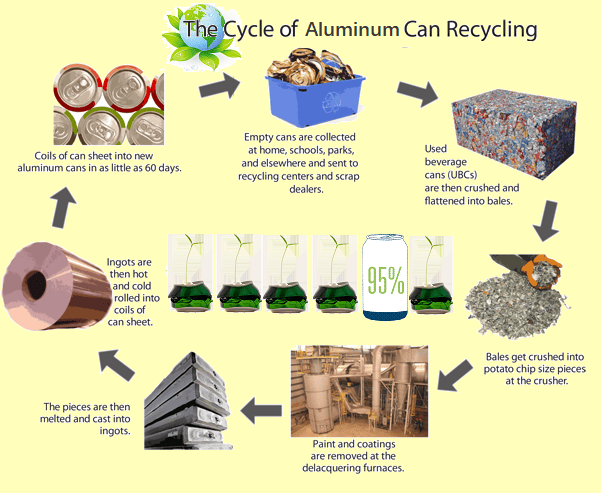
The recycling process for aluminum and steel cans is a fascinating journey from your recycling bin back to the store shelf.
Aluminum Cans
Once collected, aluminum cans are taken to a recycling facility where they are shredded into small pieces. This process also helps to remove any colored coatings. The shredded aluminum is then melted in a large furnace. The molten metal is then poured into ingot casts to cool and solidify. Each of these ingots can be used to create approximately 1.5 million new aluminum cans.
Steel Cans
Steel cans are transported to a steel mill or a de-tinning plant. They are placed in a furnace where they are melted with molten iron. Oxygen is then blasted into the furnace, raising the temperature to around 1700°C. The resulting molten metal is poured into molds to form large slabs, which are then rolled into coils. These coils are then used to manufacture new steel products, including new cans, car parts, and construction materials.

Double Lid Tea Canister

Matcha Tea Canister

Coffee Tin Can

Stainless Steel Coffee Canister
Vacuum Coffee Canister

Ultimate Guide for Candle Tins- Metal Candle Containers
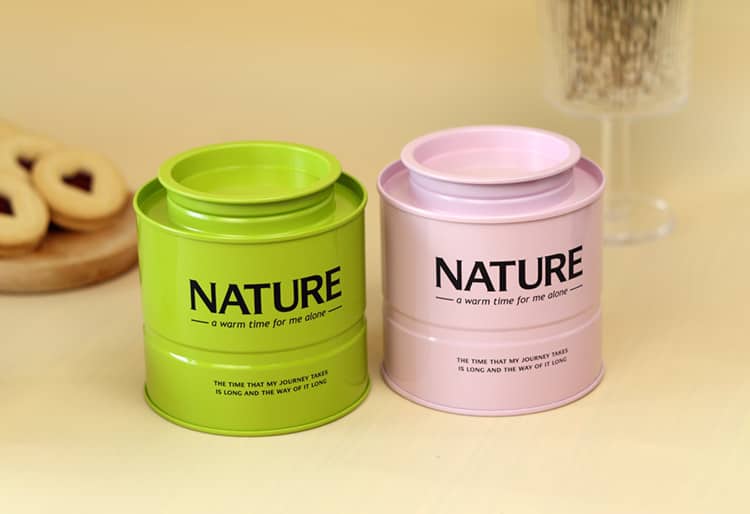
Empty tea tins

Candle Making FAQ

Best Candle Jars & Tins & Containers
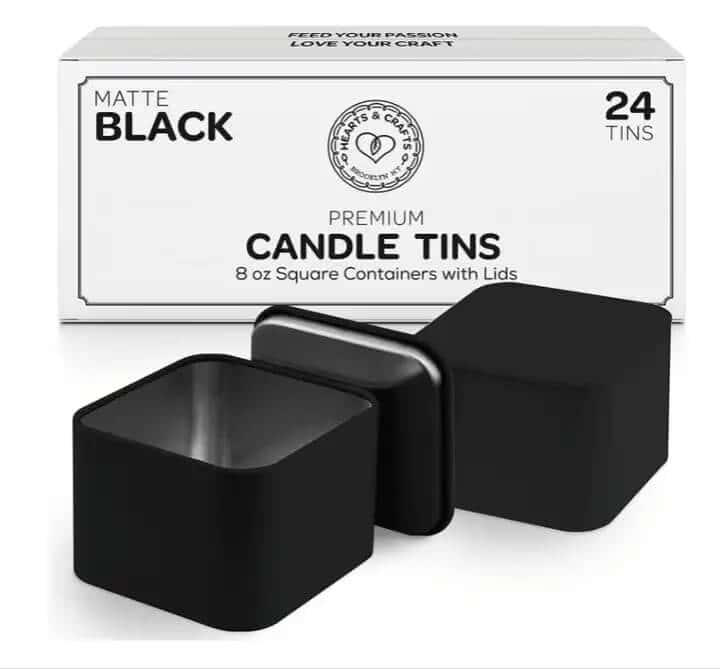
Square candle tins
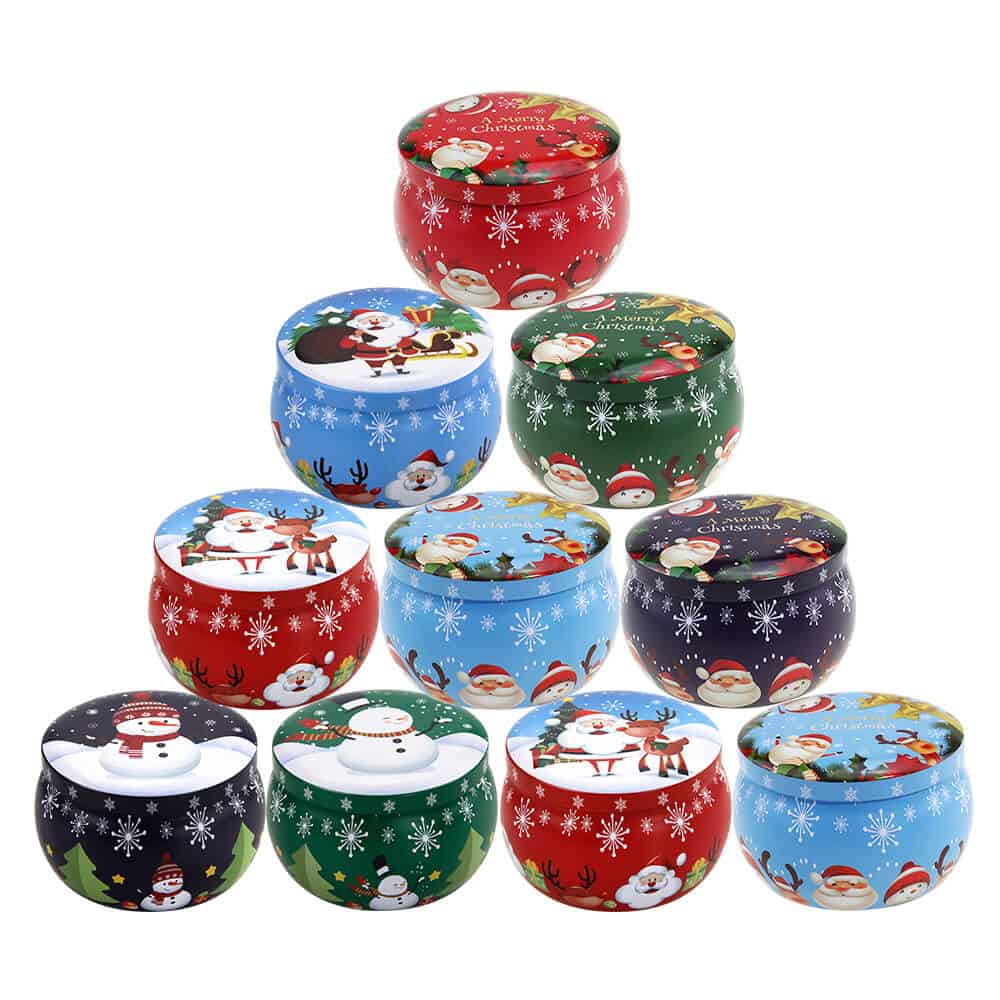
Decorative candle tins
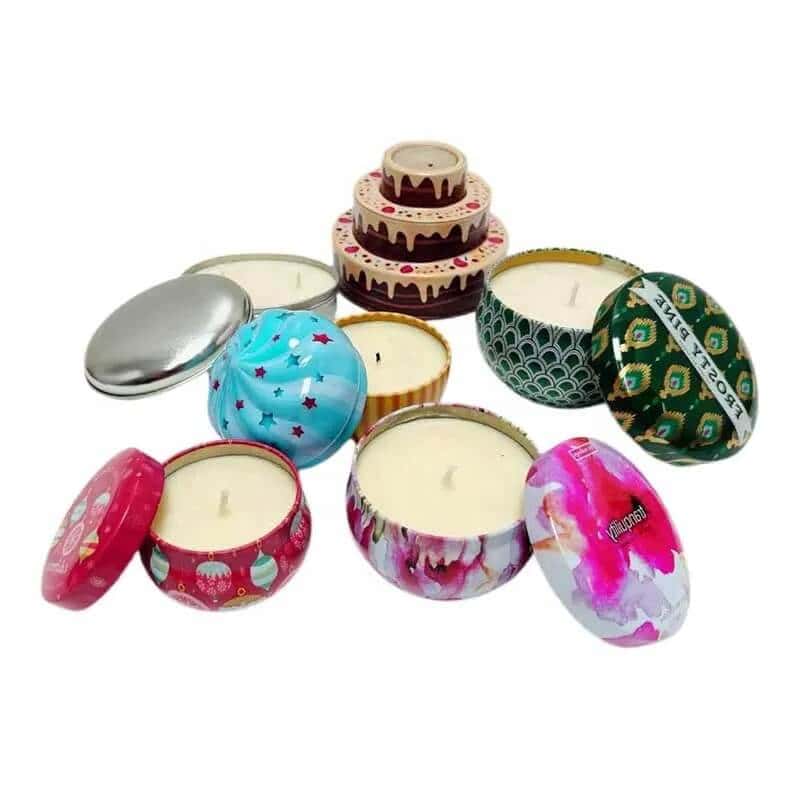
Small Candle Tins
Metal Spice Tins
Custom Tea Tin
Custom Candle Tins

Soy wax vs beeswax
Rose Gold Candle Tins
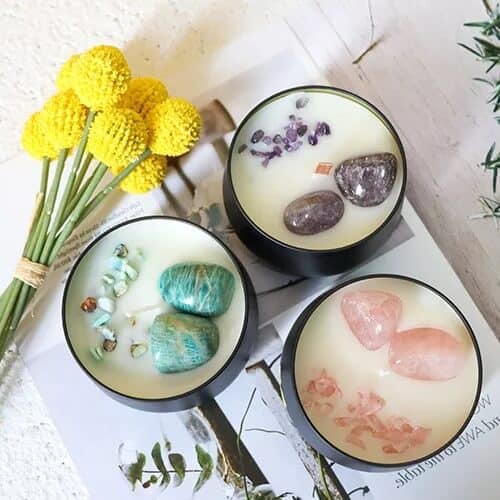
What is a container candle

Small tea tins
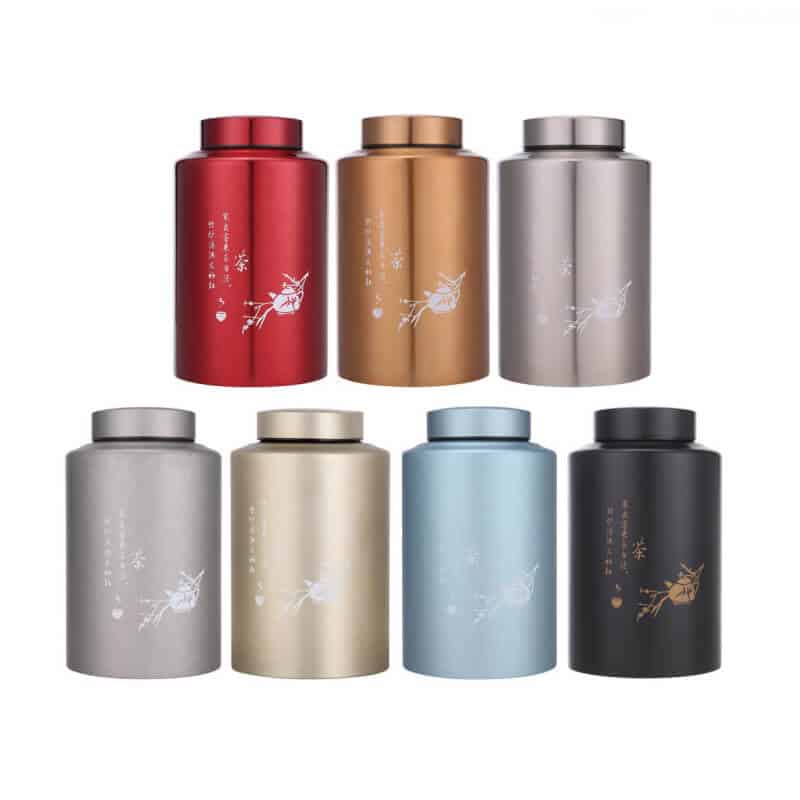
The Ultimate Guide to the Best Tea Tins: Preserving Freshness and Flavor

Luxury Candle Tins
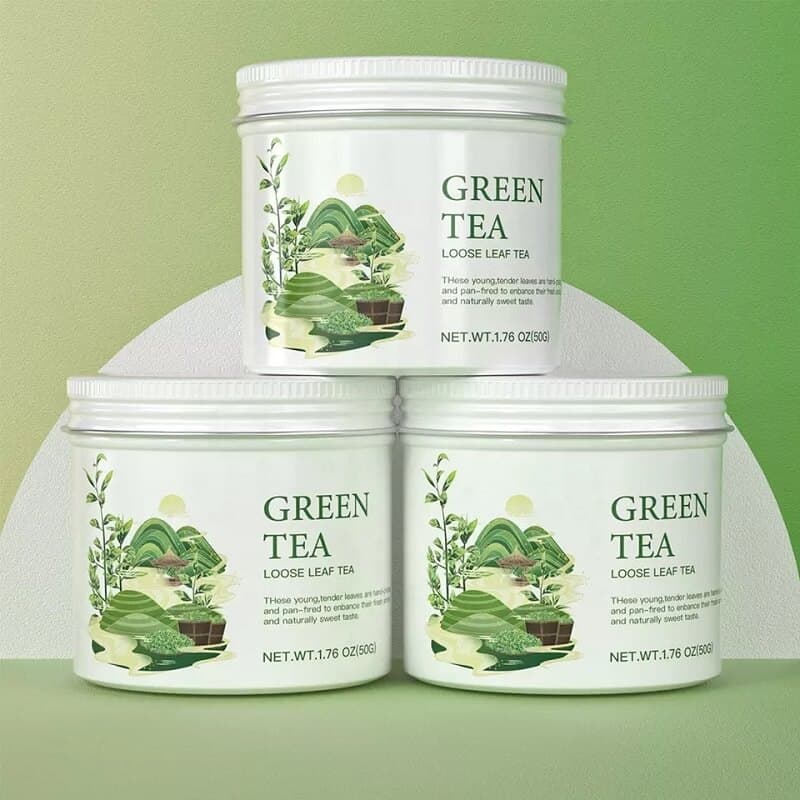
Why Tins are Ideal for Tea and Loose Leaf Tea Storage

Gold Candle Tins
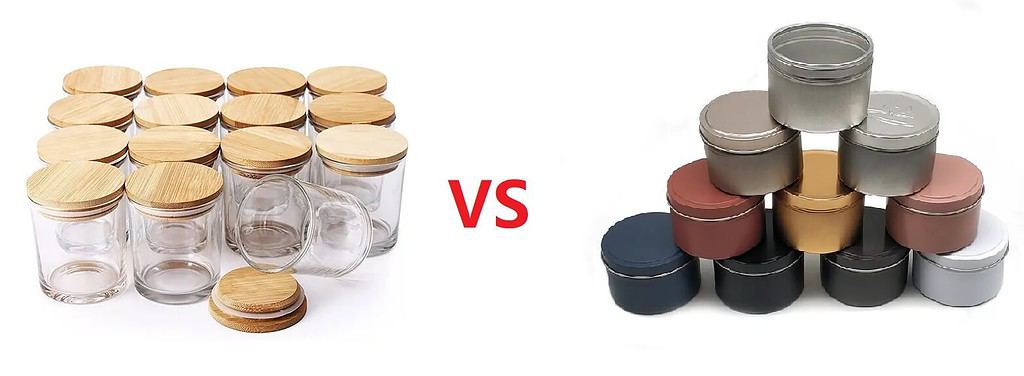
Candle Tins vs Candle Jars: The Ultimate Showdown

How Long Does Tea Last in a Tin
How long does coffee last in airtight container
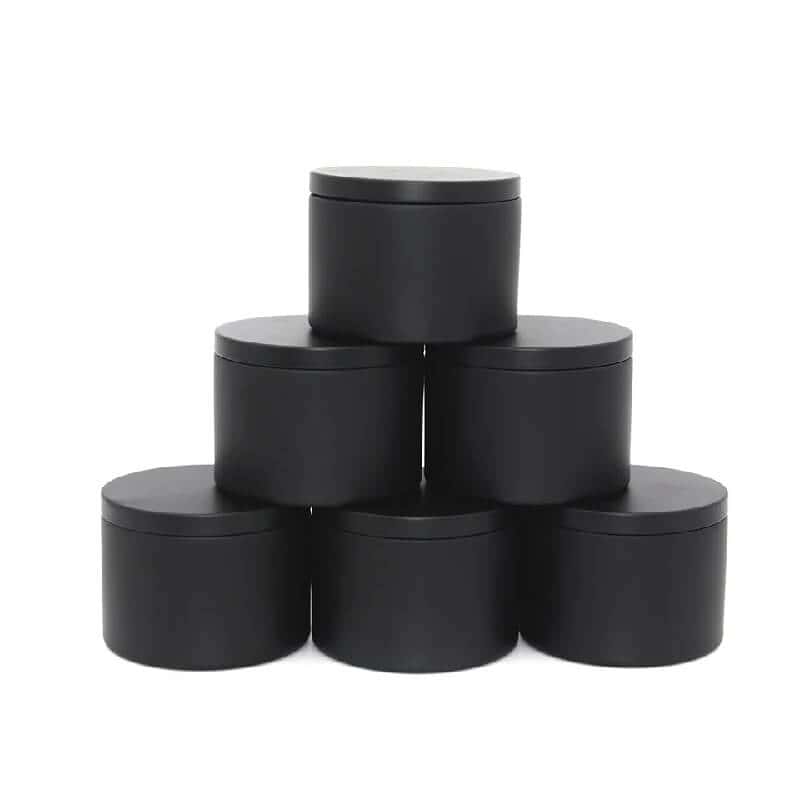
Black candle tins

Candle tins wholesale uk
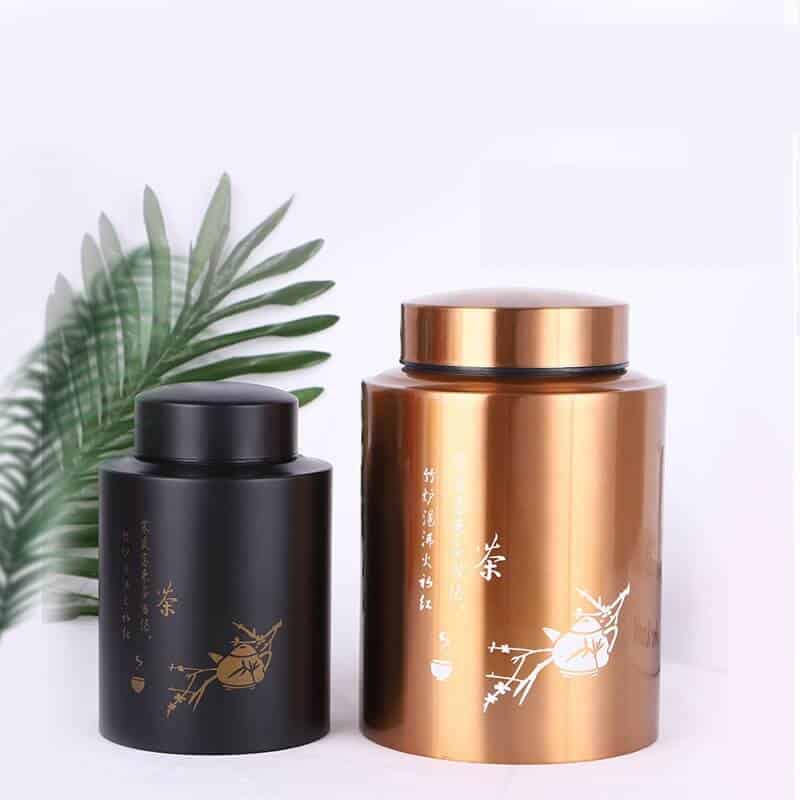
Loose tea tins
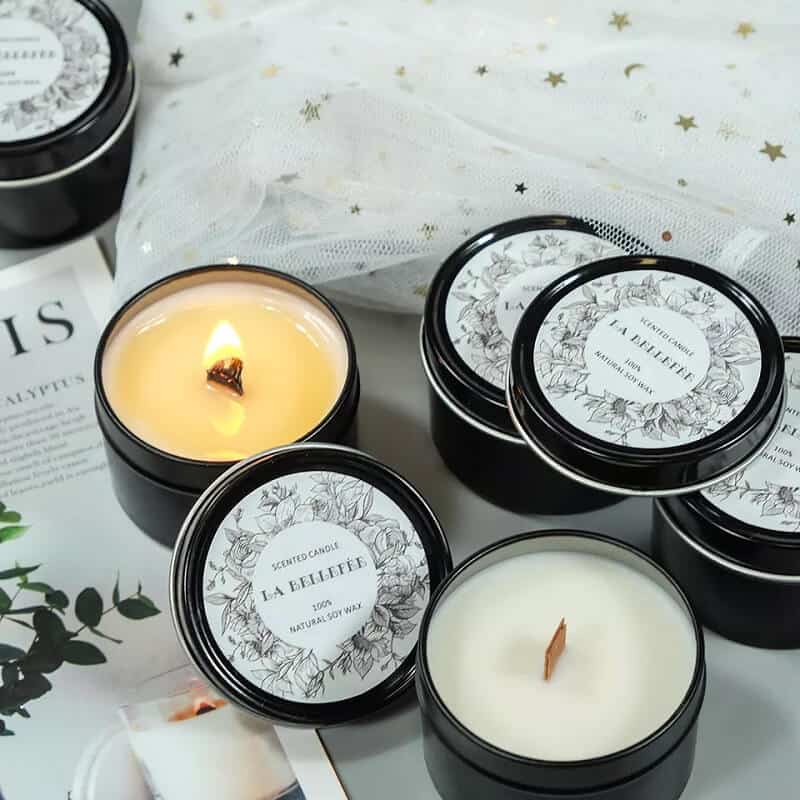
Scented candle in tin
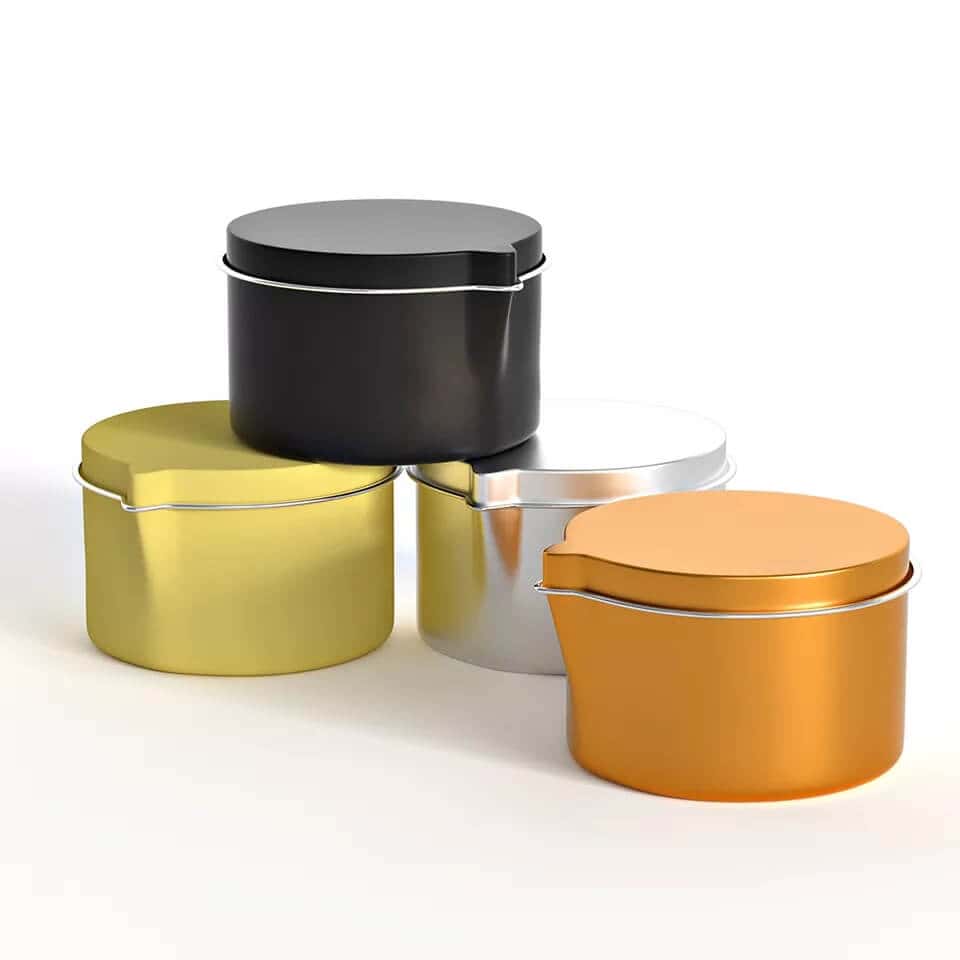
Candle tin with pour spout
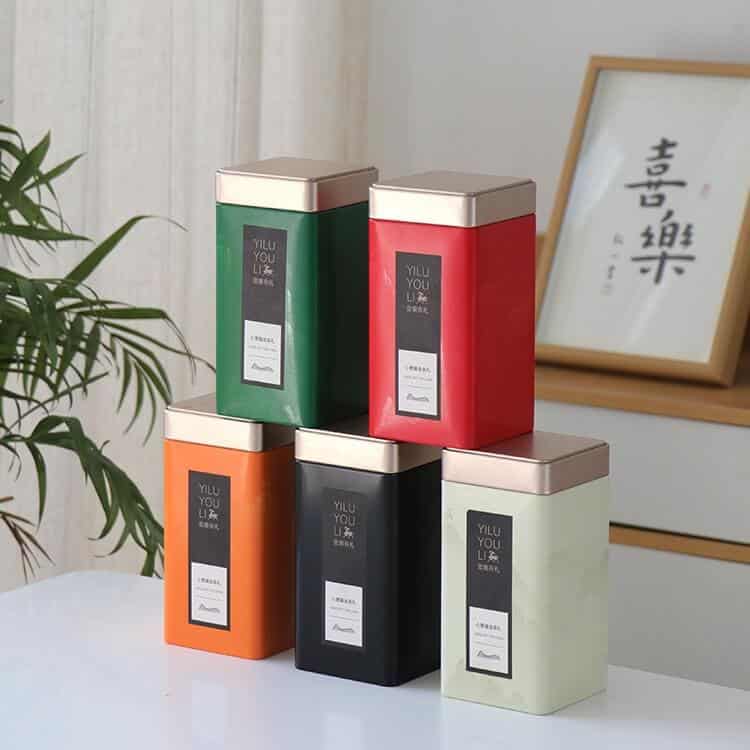
Square Tea tins
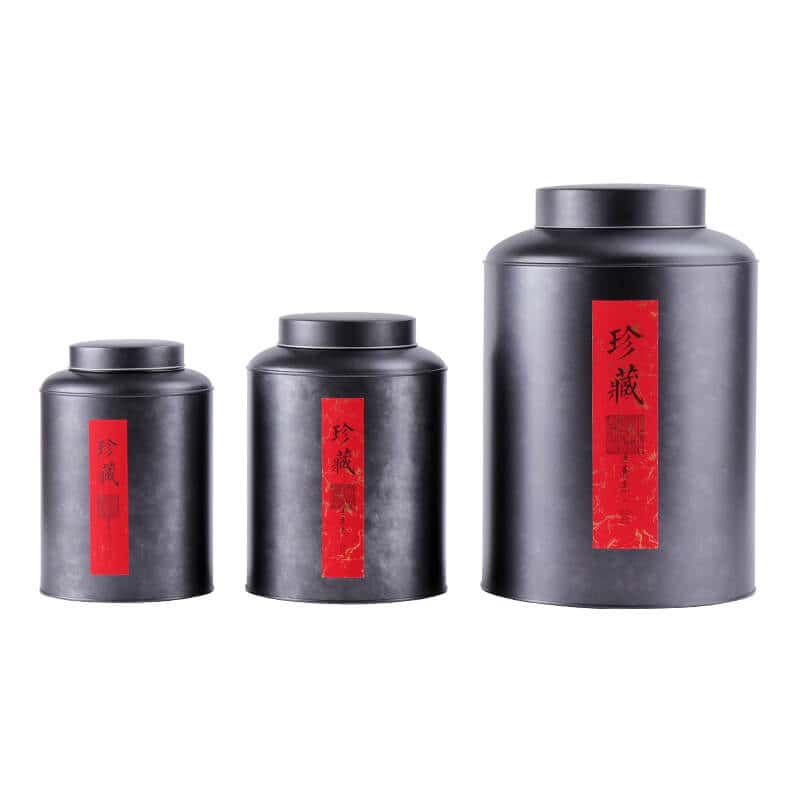
Vintage tea tins
Airtight coffee canister
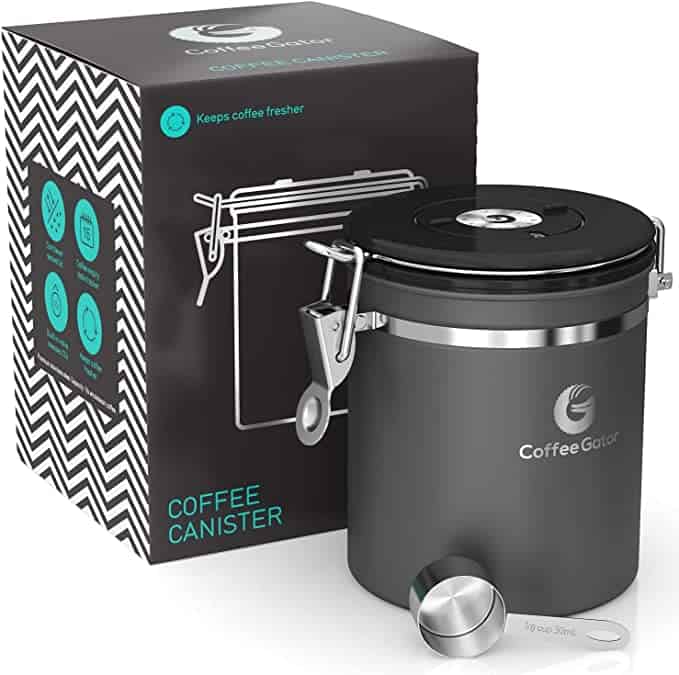
Best Coffee Canister 2026-Ultimate Guide and Review
6 oz tins wholesale
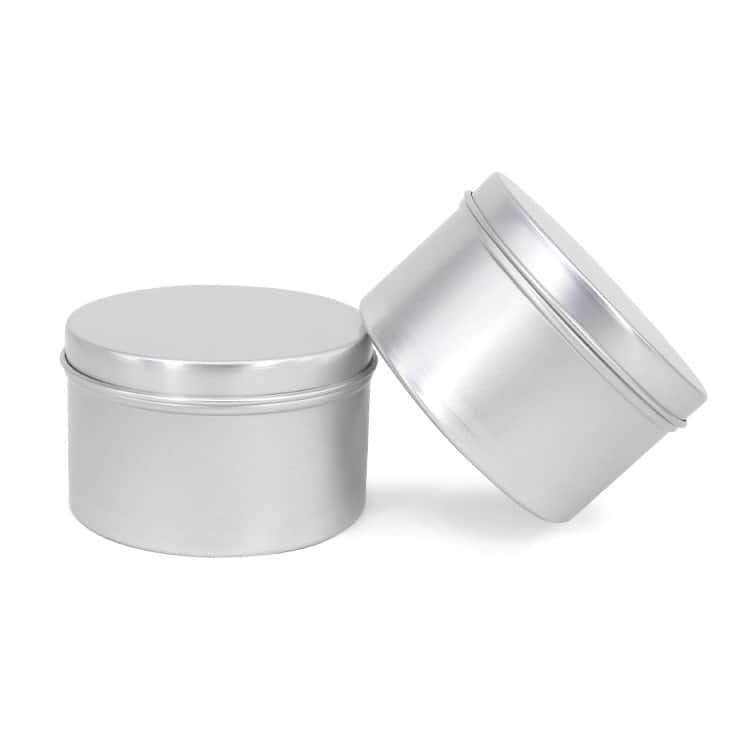
8 oz tin containers wholesale
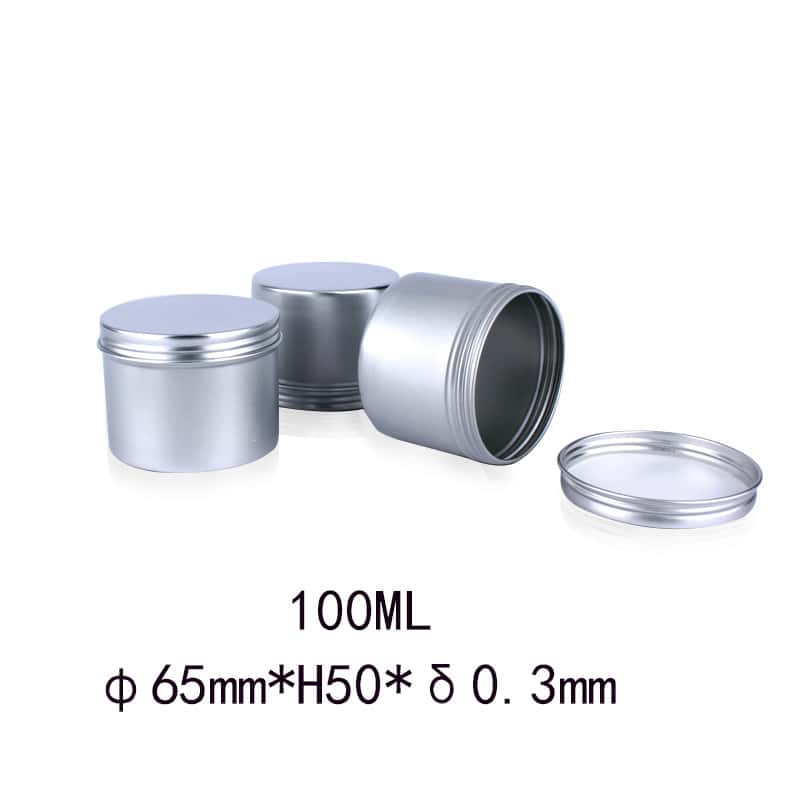
3 oz tin containers wholesale
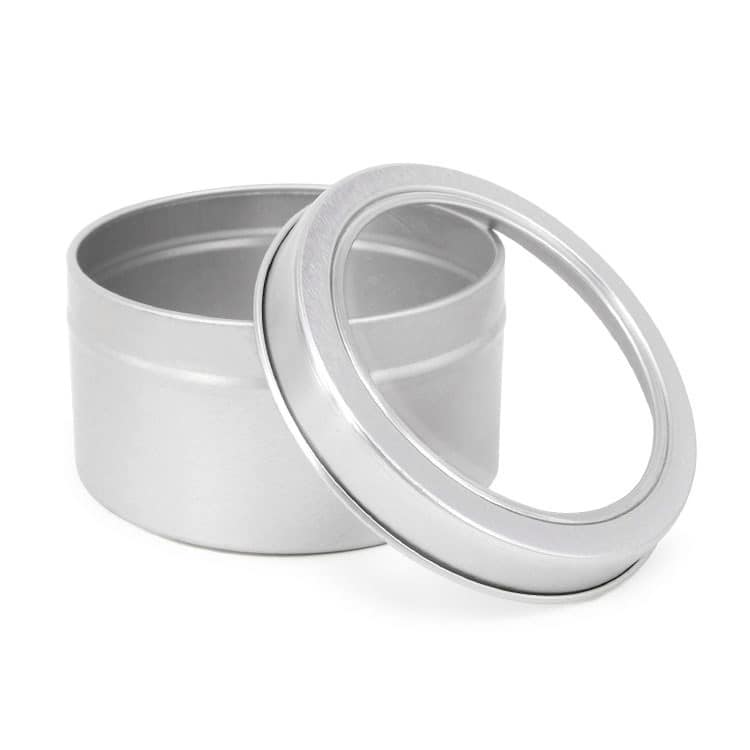
4 oz tin containers wholesale
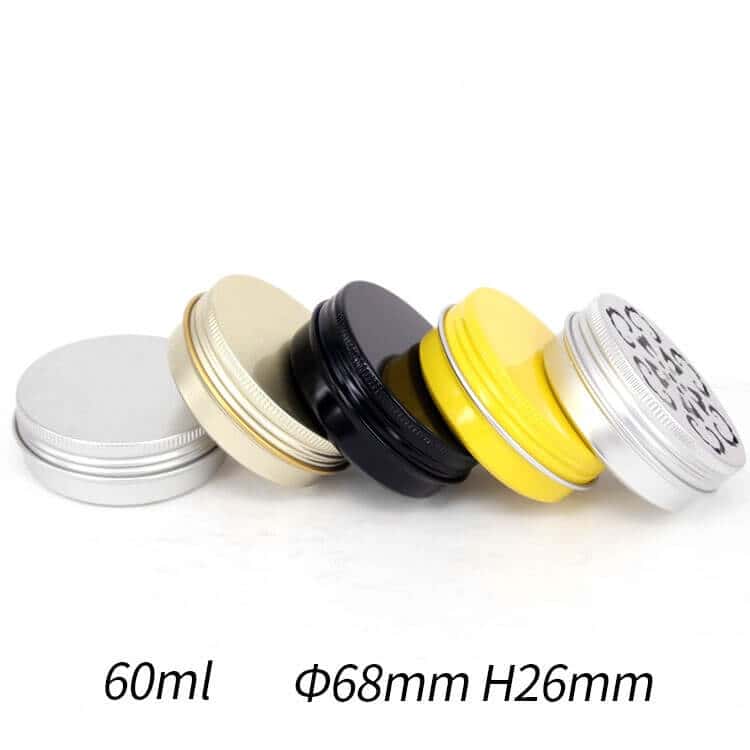
2 oz tin containers wholesale
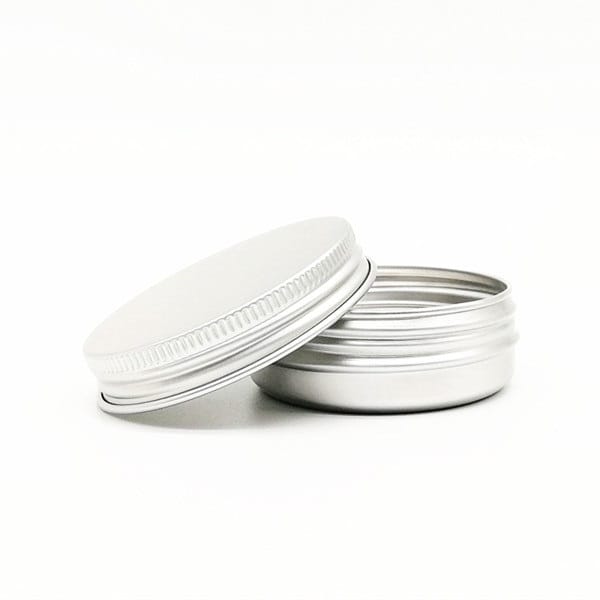
1 oz tin containers wholesale
Recycling FAQs About Tins and Metal Bottles
Here are a few questions consumers ask regarding special holiday foods tins and metal water bottles.
Are cookie tins recyclable?
Yes, most recycling programs will allow you to recycle cookie tins that hold Christmas cookies as long as they are clean and dry.
Recycling cookie tins is now easier than ever! You can simply place them in your curbside recycling bin. Made from recyclable tinplate (steel or iron with a tin layer), cookie tins are widely accepted at recycling centers and scrap metal recyclers.
Tin materials come in two types: ferrous metals (containing iron and steel) and non-ferrous metals (lacking iron and steel). These tins preserve cookies’ freshness and quality, and their recyclability prevents environmental harm.
Cookie tins can be recycled indefinitely and are accepted at most recycling centers or scrap yards. Before recycling, identify whether your tin is ferrous or non-ferrous. Ferrous tins are generally preferred and can be identified using a magnet. Regardless of the tin type, ensure you clean the container to avoid contaminating the recycling process.
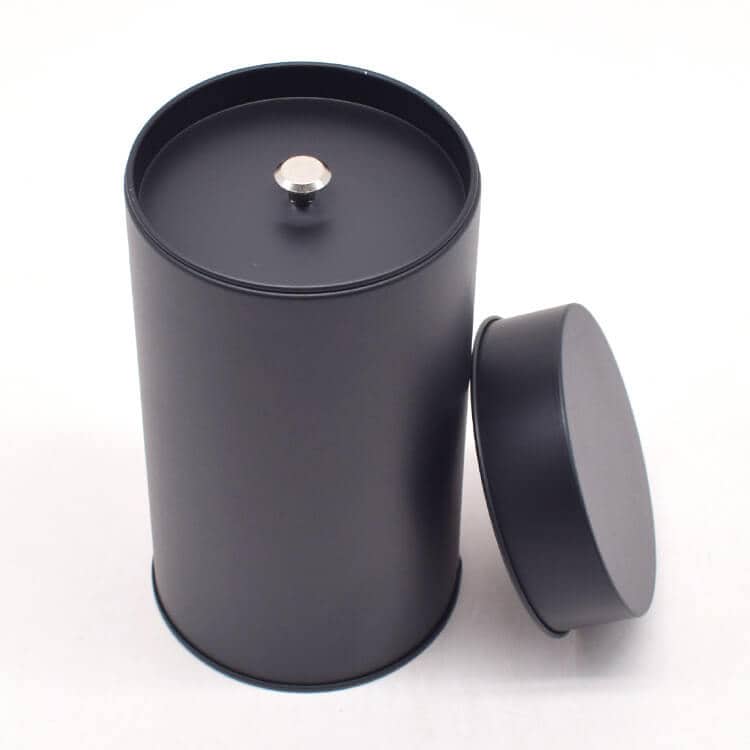
Are tea tins recyclable?
Yes, tea tins are recyclable for sure. Tea tins are normally made by tinplate or aluminum, these raw materials are excited on the earth. Most recycling centers accept tea tins. What’s more, metal tea tins can be used to store other households things also.
are coffee tins recyclable
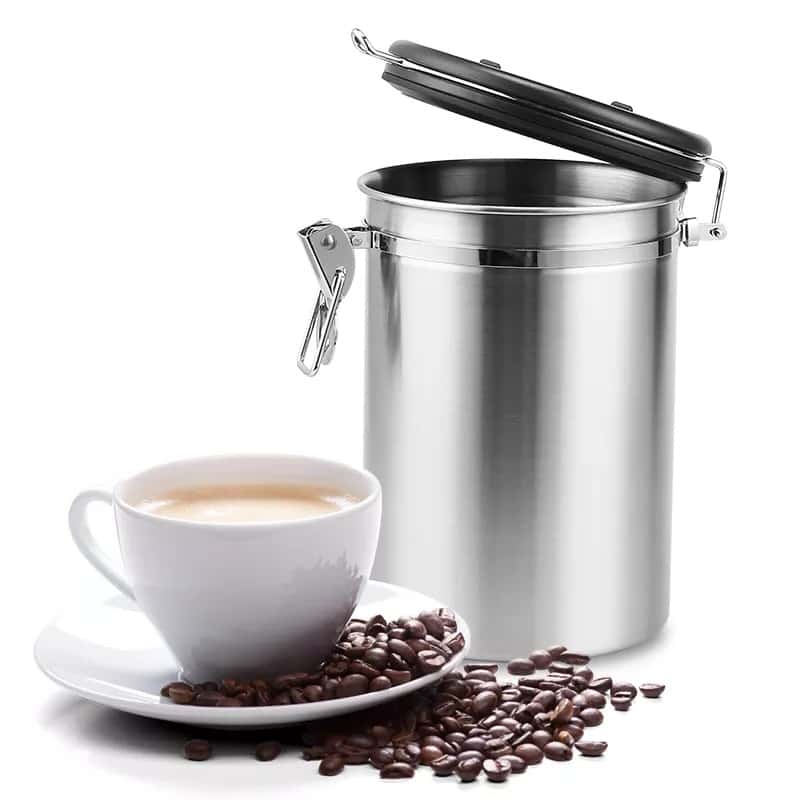
Coffee tins or coffee canisters are recyclable for sure. Most of the coffee tins are made of tinplate, aluminum, and stainless steel raw materials. These raw materials are eco friendly and recyclable for sure. If the coffee tins contain any plastic or rubber parts inside, it is better to remove these plastic parts first and then put them in the recycle bin.
Are popcorn tins recyclable?
Yes. Those large, festive popcorn tins you get during the holidays are recyclable. Simply rinse out any leftover kernels, crumbs, and oil, and place both the tin and its metal lid into your recycling bin.
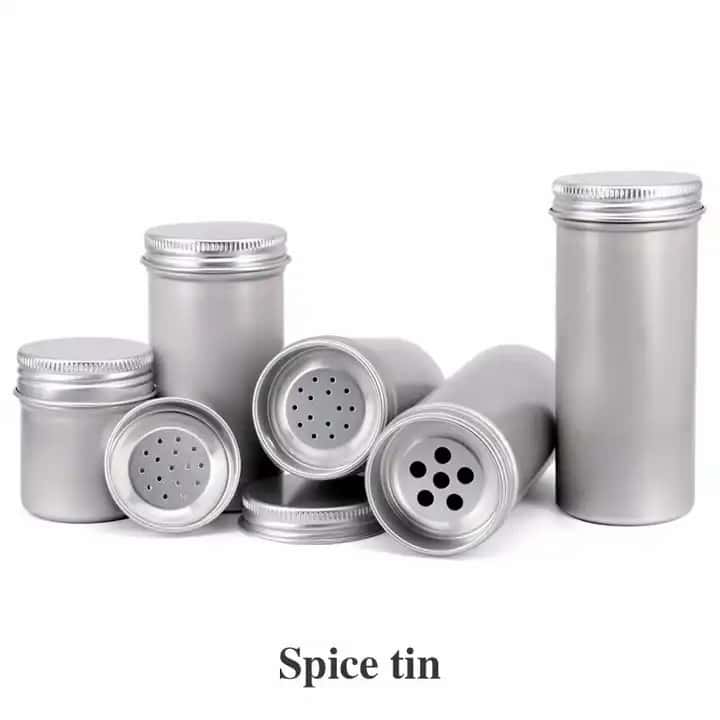
Are spice tins recyclable?
Yes, they are, but they come with a crucial pro tip! Small metal tins, like those for spices, can sometimes get lost during the sorting process at the MRF. The machinery is designed to handle larger items like bottles and cans, and very small items can fall through the sorting screens and end up in the landfill.
Are aluminum bottles recyclable?
Yes, aluminum bottles are one of the most easily and highly recyclable containers available. Aluminum is an exceptional material because it can be recycled infinitely without losing any of its quality or structural properties. This makes it an excellent sustainable choice for both single-use and refillable bottles.
Are stainless steel bottles recyclable?
Yes, stainless steel bottles are highly recyclable and can be repurposed almost indefinitely without any loss in quality. However, there are two key things to know.
First, they are generally not accepted in your regular curbside recycling bin. Most curbside programs are not equipped to handle them, so they should be taken to a local scrap metal yard or a dedicated recycling center. Second, for a bottle to be recycled, it must be made of a single material (100% stainless steel). If it has other materials like plastic permanently bonded to it, it likely cannot be recycled. Always remove any detachable non-metal parts, like plastic lids or silicone seals, before recycling the metal body.
Are aluminum tins recyclable?
Yes, all types of aluminum are recyclable. That includes aluminum foil, foil cake pans, and other aluminum food containers.
Are mint tins recyclable?
Yes. Just like spice tins, those small tins for mints or candy are recyclable. And just like with spice tins, you should use the same pro tip to ensure they make it through the sorting process: place the empty mint tin inside a larger steel can and crimp the top shut before placing it in your recycling bin.
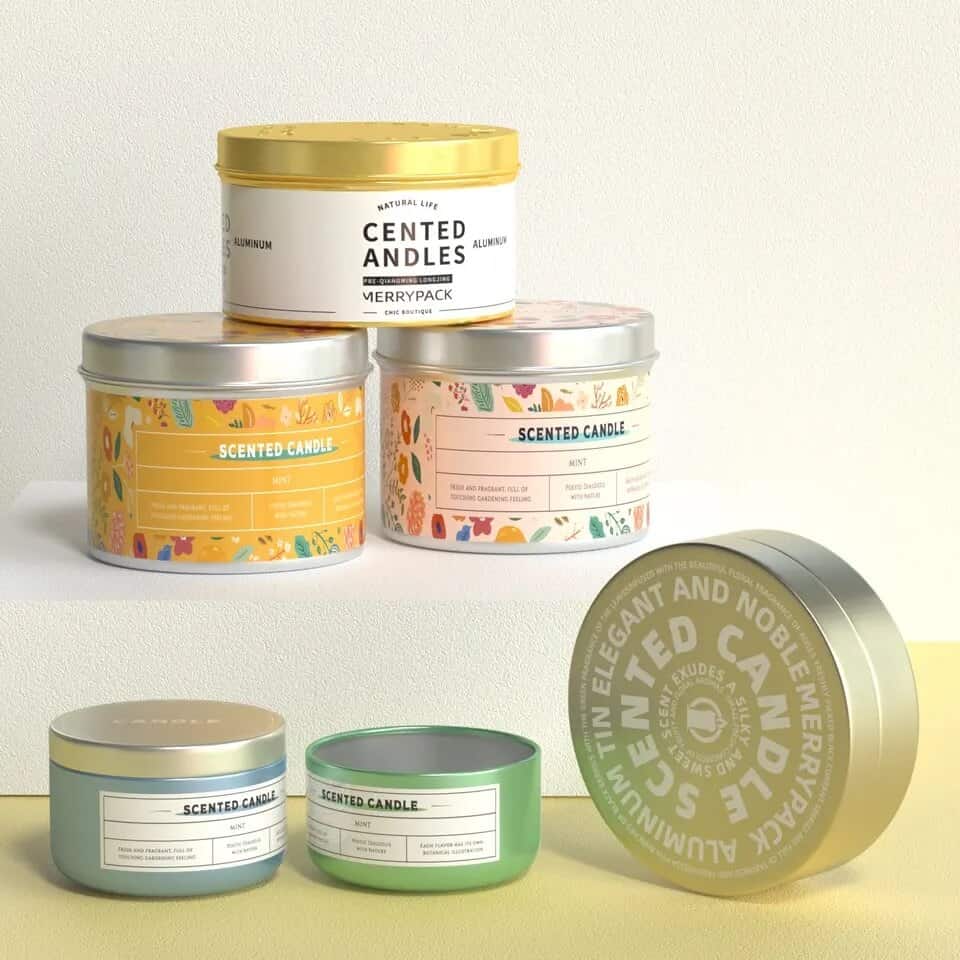
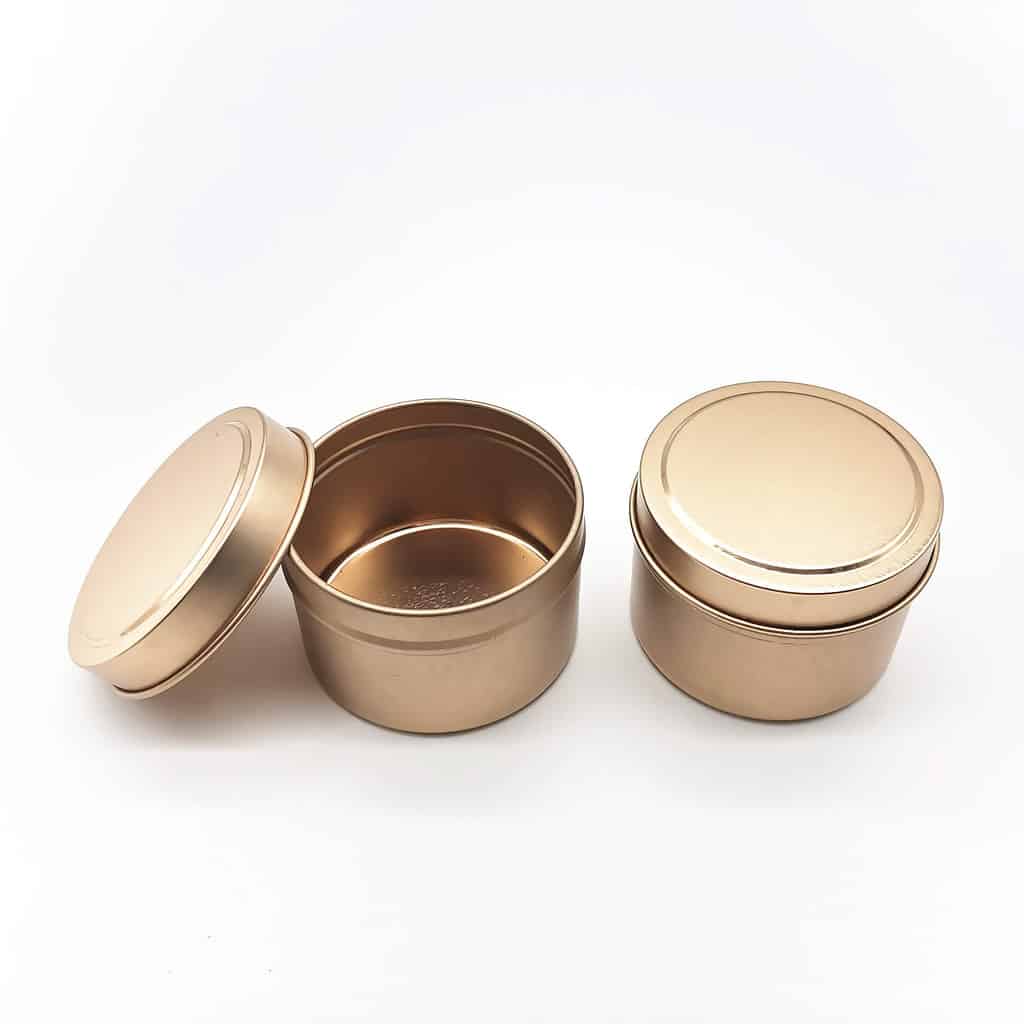
Are candle tins recyclable?
Cande tins are recyclable for sure. These candle tins are made of tinplate or aluminum raw material. Candle wax isn’t recyclable, if you need to recycle candle tins, it is better to remove the candle wax and candles inside.
Are pie tins recyclable?
Yes. Pie tins are typically made of aluminum. Ensure they are scraped clean of crust and filling before tossing them in the bin.
Are candy tins recyclable?
Yes. Metal candy tins (often used for mints or hard candies) are highly recyclable. They are made of high-quality tinplate or aluminum.
Are cat food tins recyclable?
Yes. Pet food cans are standard steel or aluminum. Rinse them out to prevent odors and pests in your recycling bin.
Are chocolate tins recyclable?
Yes. Large holiday chocolate tins or cocoa powder containers are fully recyclable. If there is a plastic insert inside, remove it first.
Are christmas tins recyclable?
Yes. Those decorative Christmas tins used for popcorn or cookies are made of steel (tinplate). If you don’t plan to reuse them for storage, they can go straight into the recycling.
Are food tins recyclable?
Yes. This covers everything from beans to soup to vegetables. They are the most common item in the metal recycling stream.
Are olive oil tins recyclable?
Yes. Metal olive oil cans are recyclable. Try to drain as much oil as possible. You do not need to scour them perfectly clean, but they should be empty.
Are tin can lids recyclable?
Yes. However, sharp lids can be dangerous for sanitation workers and can slip through sorting machinery. The best practice is to place the lid inside the can and squeeze the top of the can slightly to trap the lid inside.
Are biscuit tins recyclable?
Yes. Like cookie tins, biscuit tins are made of high-value steel and are 100% recyclable.
Are paint tins recyclable?
It depends. If the paint can is empty and the paint was latex-based (water-based), you can typically dry out the remaining residue and recycle the can. However, if it contains oil-based paint, it is often considered hazardous waste. Check your local municipality’s guidelines for paint tins.
Are cosmetic tins recyclable?
Yes. Aluminum jars for balms, creams, and waxes are recyclable. Ensure they are empty. Because they are small, it helps to recycle them with other metals.
Are nut tins recyclable?
Yes. Metal canisters for peanuts or cashews are fully recyclable. Just remove the plastic snap-on lid if there is one.
Are oil tins recyclable?
Yes. Whether for motor oil or cooking oil, the metal is recyclable. However, motor oil tins often require special handling at a hazardous waste facility rather than curbside pickup due to the toxicity of the oil.
Are salve tins recyclable?
Yes. Small aluminum or tinplate tins used for salves and ointments are recyclable. Ensure they are empty of the product.
Are Aluminum Cups Recyclable?
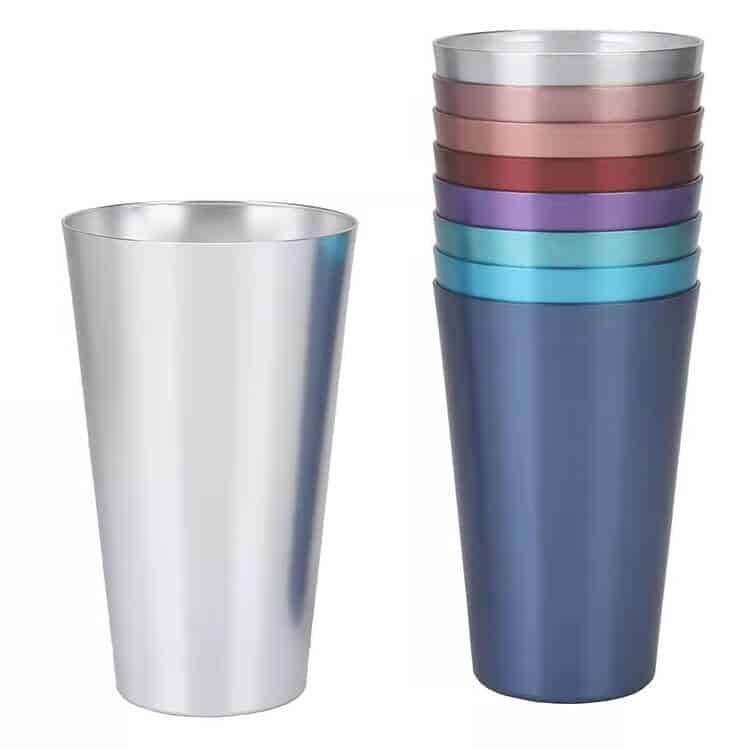
The answer to this question is, yes. Aluminum cups can be recycled many times over, making it environmentally friendly and cost-effective for companies to use. The same amount of energy used to create a single aluminum cup will allow you to reuse the same can 20 times over. This can save costs on business expenses as well as help reduce your company’s carbon footprint.
The reason aluminum cups can be recycled over and over is that it does not lose any of their properties during the recycling process. This is unlike certain other materials such as glass, which becomes more brittle with each recycling phase.
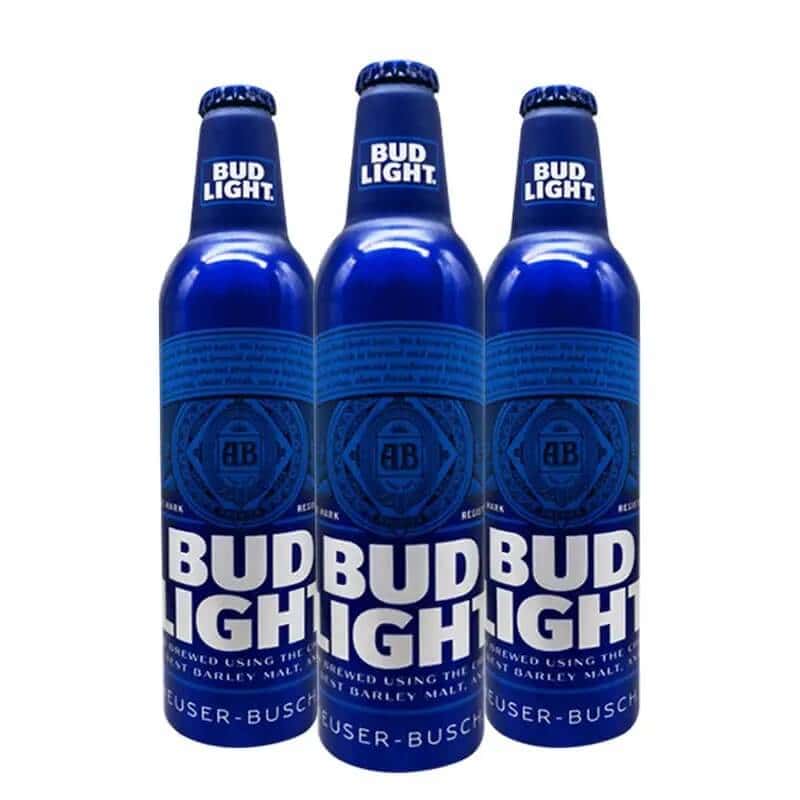
This is what some big companies are doing. Like Ball aluminum cups, Coca-Cola Aluminum cups, Bud light aluminum cups, Coors light aluminum cups.
Are tin cans eco friendly?
Tin is usually much easier to recycle than other materials, which often include glues and laminations. Tin cans are eco friendly for sure. a tin can be a more eco-friendly packaging choice for food products. Let us tell you that it is one of the most common materials that is used as a packaging material for food products. It might be possible that tin cans may be heavier and less efficient to ship than their cardboard counterparts, but they are more easily and more frequently recycled.
- Tin can is ethically sourced, safe, clean, and non-toxic making it a popular packaging material for everything from food to cosmetics.
- It also recycles forever without loss of quality.
- Tin materials offer great flexibility for packaging due to their strength and rigid features.
Below is a sheet for your reference:
| Feature | Aluminum/Steel Cans | Glass Bottles | Plastic (PET) Bottles |
|---|---|---|---|
| Recyclability | Infinitely recyclable with no quality loss. | Infinitely recyclable, but the process is more energy-intensive. | Limited; quality degrades with each cycle (downcycling). |
| Energy Saved (Recycled vs. Virgin) | Up to 95% for aluminum. | Approximately 30%. | Varies, but significantly less than metal. |
| Common US Recycling Rate | ~70% (Steel Packaging) , ~43% (Aluminum Cans). | Approximately 33%. | Approximately 10%. |
| Primary Drawback | High energy use for virgin material production. | Heavy weight increases transport emissions; fragile. | Fossil fuel origin; contributes to microplastic pollution. |
What to do with old tin cans, such as cookie tins and nut tins?

Before you toss your old tins in the recycling bin, consider giving them a new life! There are countless creative ways to reuse them around your home:
- Gift Containers: Decorate a tin and use it as a unique and eco-friendly gift box.
- Storage Containers: Use them to organize your kitchen, office, or craft supplies. They’re perfect for storing everything from pens and pencils to nuts and bolts.
- Planters: With a few drainage holes in the bottom, tin cans make excellent planters for herbs and small plants.
- DIY Projects: Get crafty and turn your old tins into beautiful lanterns, candle holders, or even a tiered tray for your trinkets.
Why Buy Recyclable?
Choosing products in recyclable packaging is a simple yet powerful way to make a positive impact on the environment. By buying recyclable, you are supporting a circular economy where materials are reused rather than discarded. This helps to reduce pollution, conserve resources, and lessen the impacts of climate change. When you choose a product in a tin can, you’re not just buying the product; you’re also investing in a material that can be used again and again.
How to Prepare Your Tins for Recycling (Best Practices)
To ensure your aluminum tins and steel cans actually get recycled, follow these three simple steps:
Don’t Crush (Usually): While crushing saves space, some automated sorting machines rely on the 3D shape of the can to identify it. Check your local recycling rules—some say crush, some say don’t.
Empty is Best: Recyclers don’t want your leftover soup. A quick rinse is usually sufficient; you don’t need to scrub it with soap.
Labels are Fine: In most modern facilities, the high heat of the melting process destroys paper labels and plastic linings. You typically do not need to peel the label off.
By choosing FLYTINBOTTLE metal and aluminum packaging, you are choosing a material that supports a sustainable, circular economy.
Related articles:

How To Choose Safe Water Bottles & Best Water Bottle Brands

How to choose the right food packaging for your product

The Ultimate Guide to DIY Lip Balm Recipes: From Tallow to Vegan Blends

Are Christmas Tins Recyclable

Are Candle Tins Recyclable?

Are Popcorn Tins Recyclable?
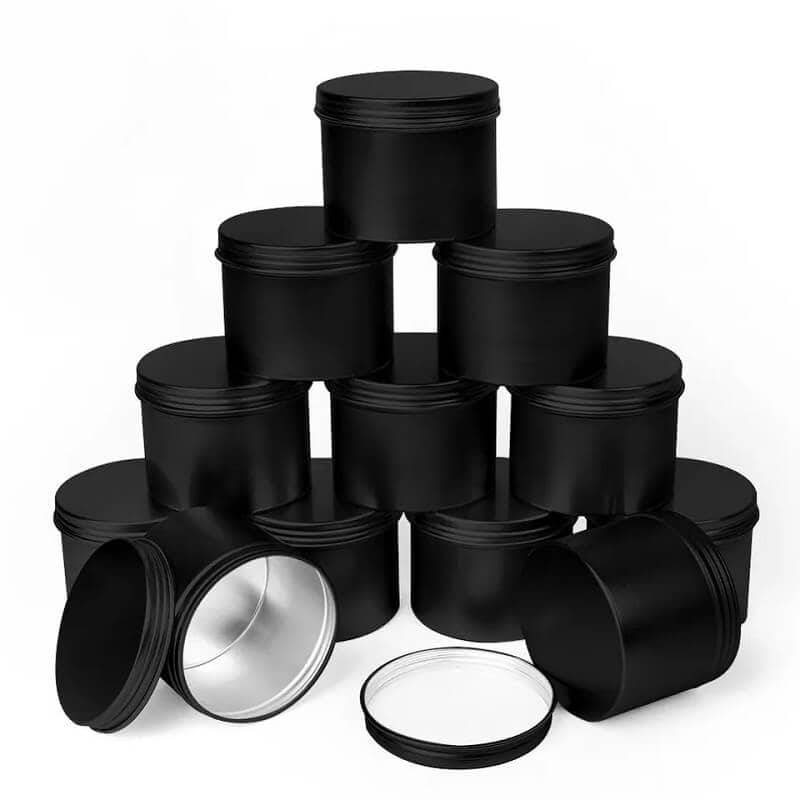
Are Aluminum Tins Recyclable?

Water Bottle Sizes

Perfume Bottle Sizes

Why Are Ball Aluminum Cups so good?

How to Store Matcha Powder

Ultimate Guide to Nuts Packaging

Is Tin metal?

Complete Guide to Vitamin & Supplement Packaging

Aluminum Cups: A Revolution Alternative to Paper and Plastic?

Muffin Pan VS Cupcake Pan

Muffin pan sizes

What is a muffin tin

The Ultimate Guide of Matcha Packaging

Can you put aluminum water bottles in the dishwasher

Path Water Bottle Introduction
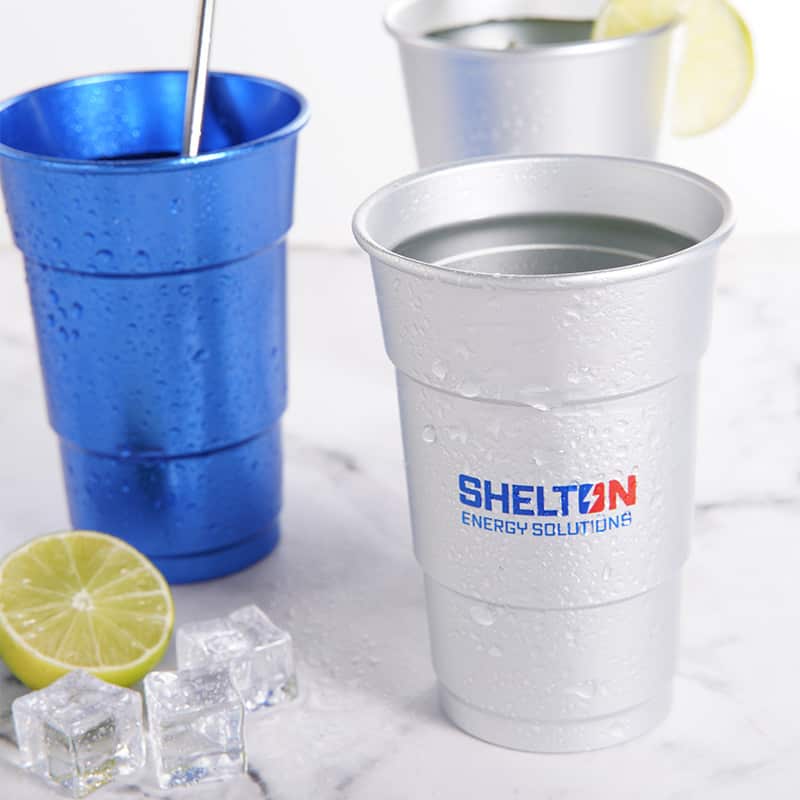
Are aluminum cups safe
Double Lid Tea Canister
Matcha Tea Canister
Coffee Tin Can
Stainless Steel Coffee Canister
Vacuum Coffee Canister

Do Stainless Steel Cups Have Lead?

Is Aluminum Recyclable?
Ultimate Guide for Candle Tins- Metal Candle Containers
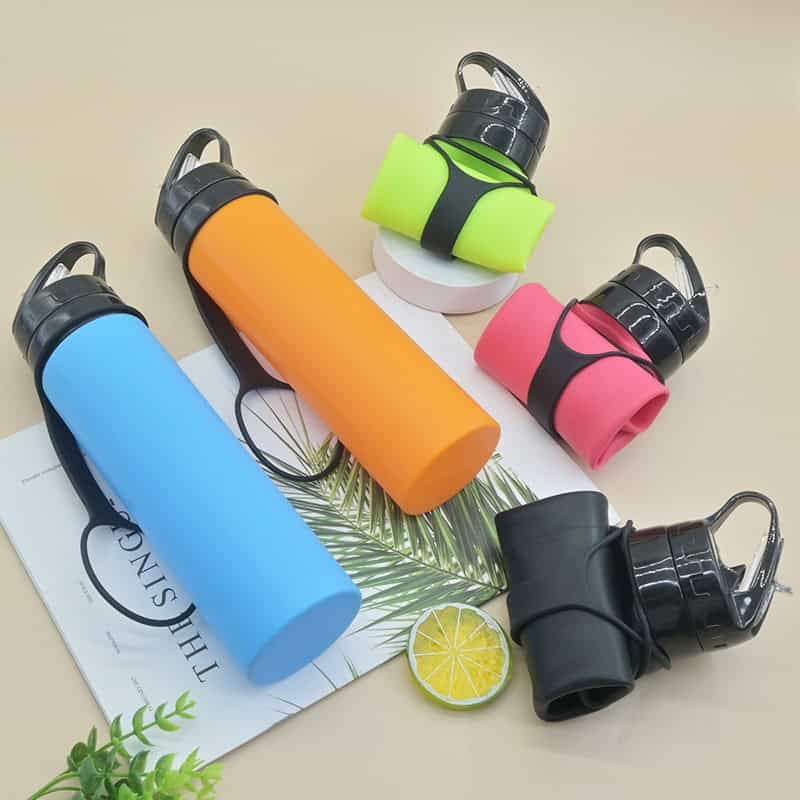
Aluminum vs Plastic Water Bottle
Metal and Plastic Cup: Which is Better?
Empty tea tins
Candle Making FAQ
Tin vs Aluminum Packaging—Which is Better?
Best Candle Jars & Tins & Containers
Square candle tins
Decorative candle tins
Small Candle Tins
Metal Spice Tins
What Are Tin Cans Made Of
Custom Tea Tin
Custom Candle Tins

How To Clean Perfume Atomizer
Soy wax vs beeswax
Best Perfume Atomizers -Ultimate Guide 2026
Rose Gold Candle Tins
What is a container candle
Are stainless steel cups safe?
Aluminum Cigar Tubes vs Glass Cigar Tubes vs Plastic Cigar Tubes: Which One is the Best?
Small tea tins
The Ultimate Guide to the Best Tea Tins: Preserving Freshness and Flavor
Luxury Candle Tins
Why Tins are Ideal for Tea and Loose Leaf Tea Storage
Gold Candle Tins
Candle Tins vs Candle Jars: The Ultimate Showdown
How Long Does Tea Last in a Tin
How long does coffee last in airtight container

Aluminum water bottle vs stainless steel

Recycle Pill Bottles
Aluminum Cups vs Stainless Steel Cups
Bud Light Aluminum Bottle Introduction
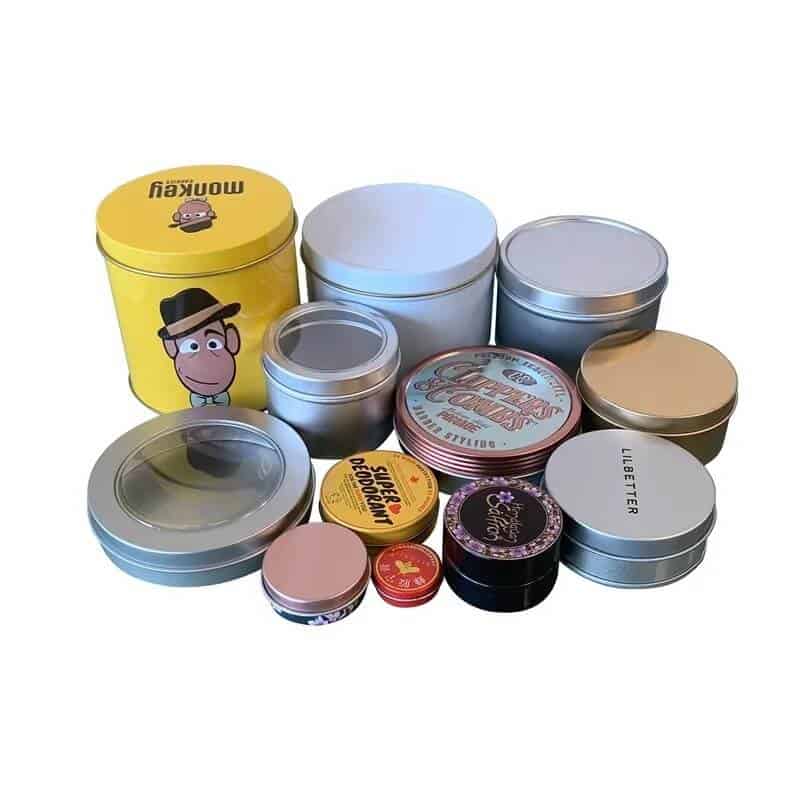
Custom tins
Black candle tins

Disposable aluminum cups