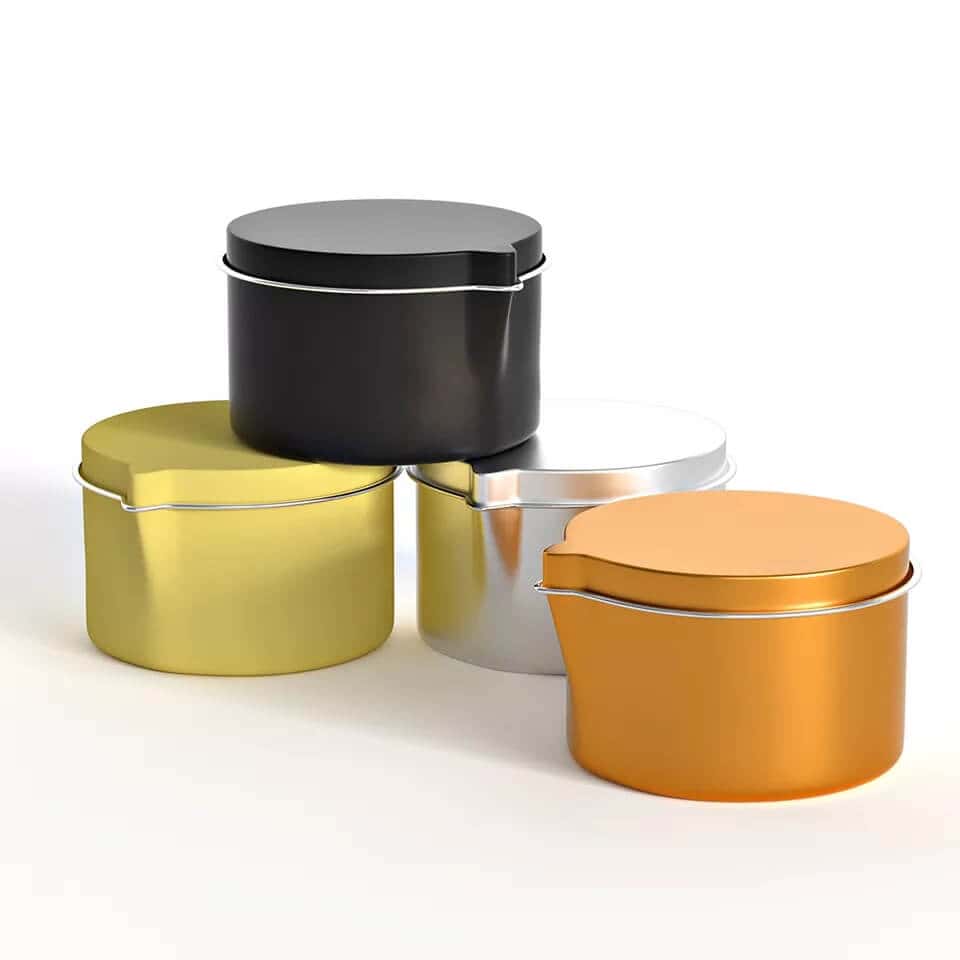
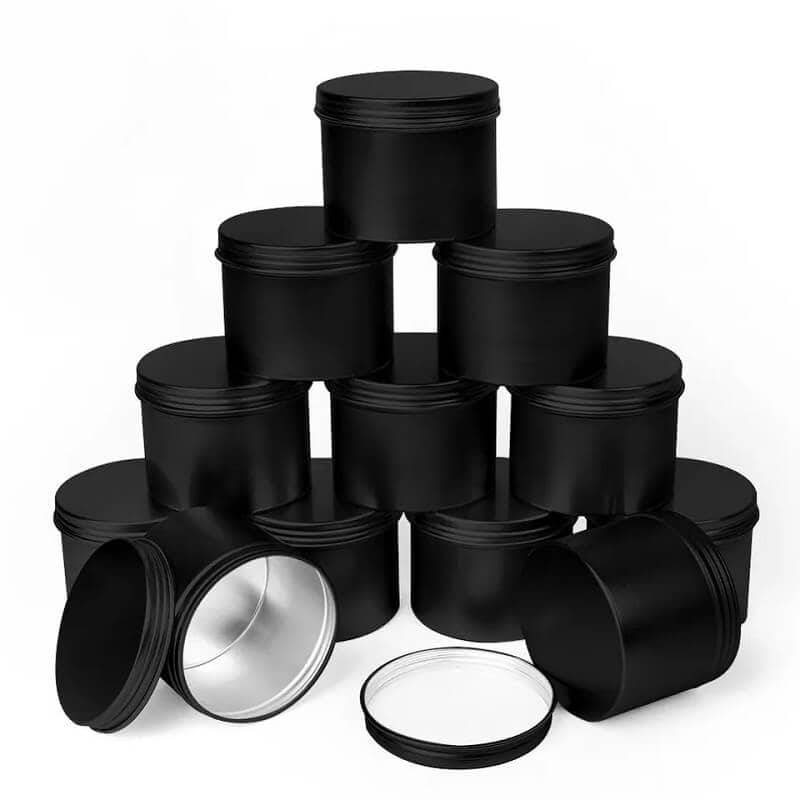
In the modern world of packaging, aluminum tins are rapidly becoming the “go-to” hero for brands looking to ditch single-use plastics. From the sleek puck holding your hair wax to the durable screw-top tin for your favorite spices, these metal containers are everywhere.
But as consumers and companies alike become more conscious of plastic pollution, a critical question arises: Is this switch actually better for the planet? When you toss that empty tin in the bin, what happens to it? The shift toward sustainability has many companies—from cosmetics to food and beverage—considering aluminum as their primary packaging choice. But to truly understand the value, we need to dig into what these tins are actually made of and their lifecycle.
What is an Aluminum Tin?
An aluminum tin is a lightweight, durable, and corrosion-resistant container used to package a vast array of consumer goods. Unlike the heavier steel “tin cans” of the past (which were often just steel coated in tin), modern aluminum tins are made from high-quality aluminum alloys.
You will find these tins dominating several industries today:
- Cosmetics & Personal Care: They are the industry standard for beard balms, hair pomades, solid perfumes, and lotions. Their non-reactive nature keeps the product fresh without the risk of rust.
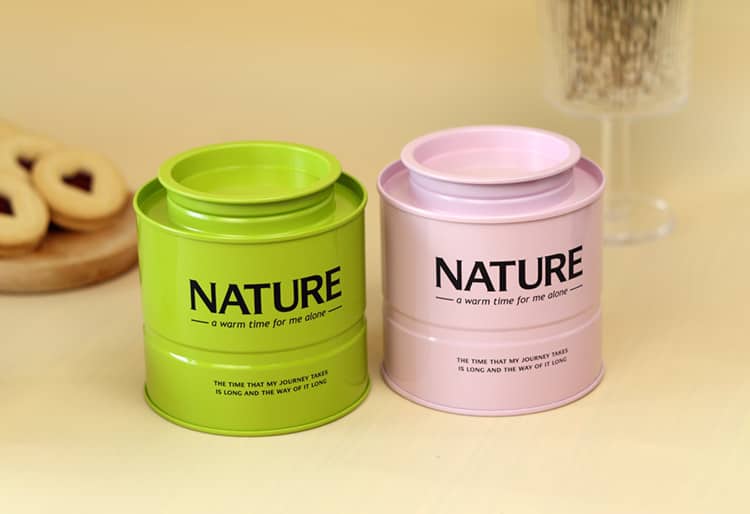
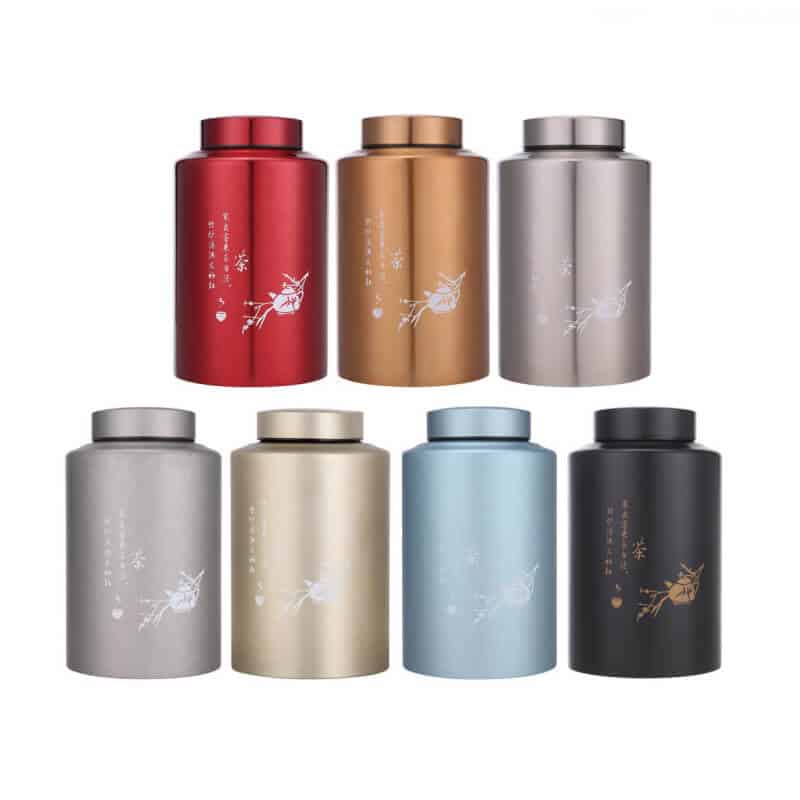
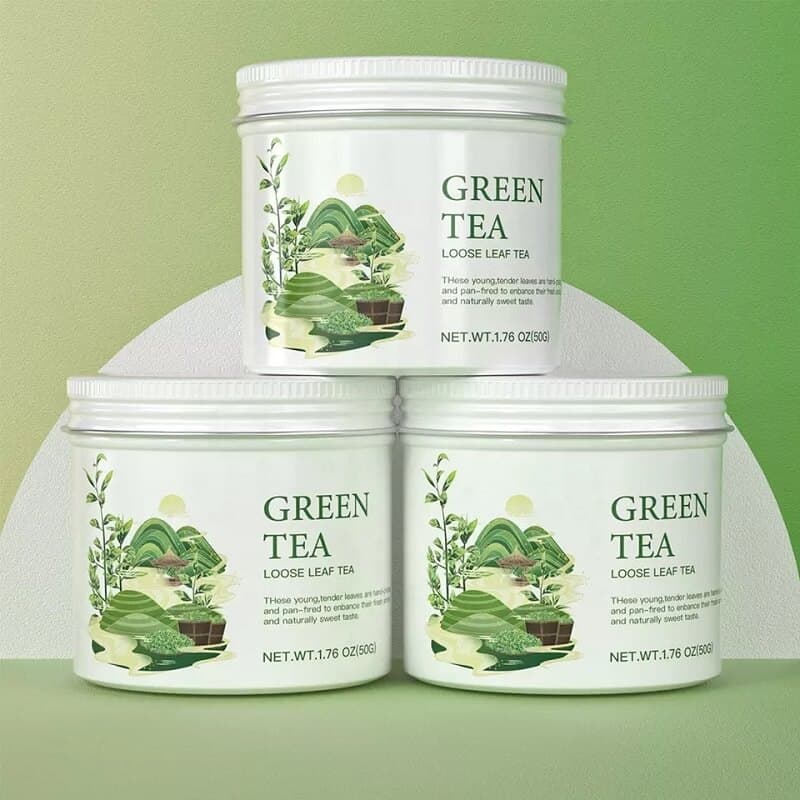
- Food & Spices: Because aluminum protects against light, oxygen, and moisture, it is perfect for tea leaves, spices, mints, and chocolates.
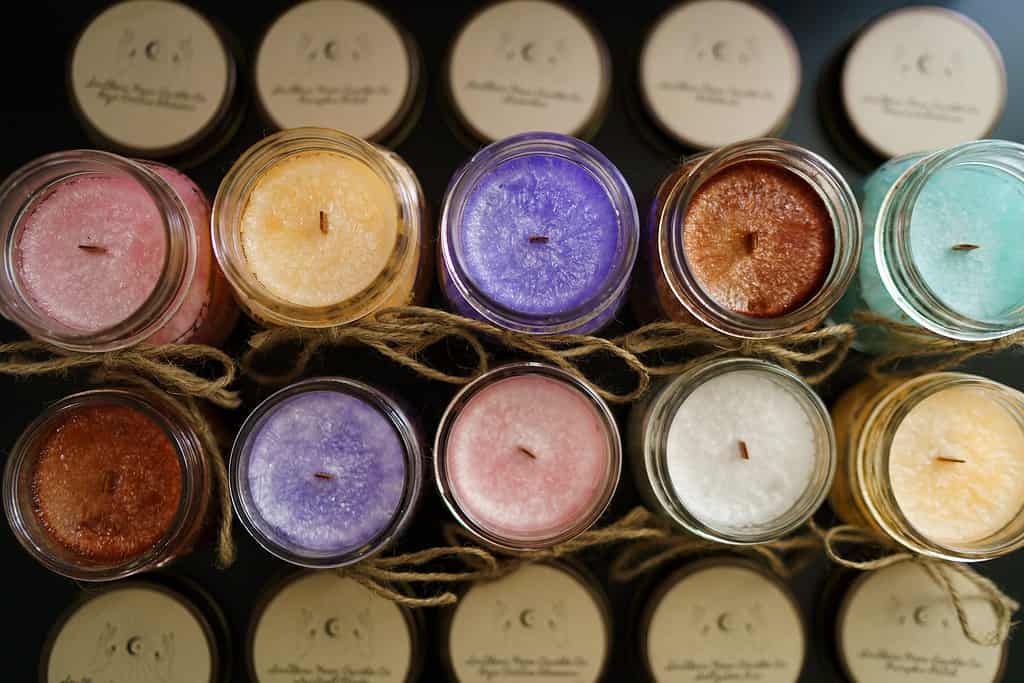
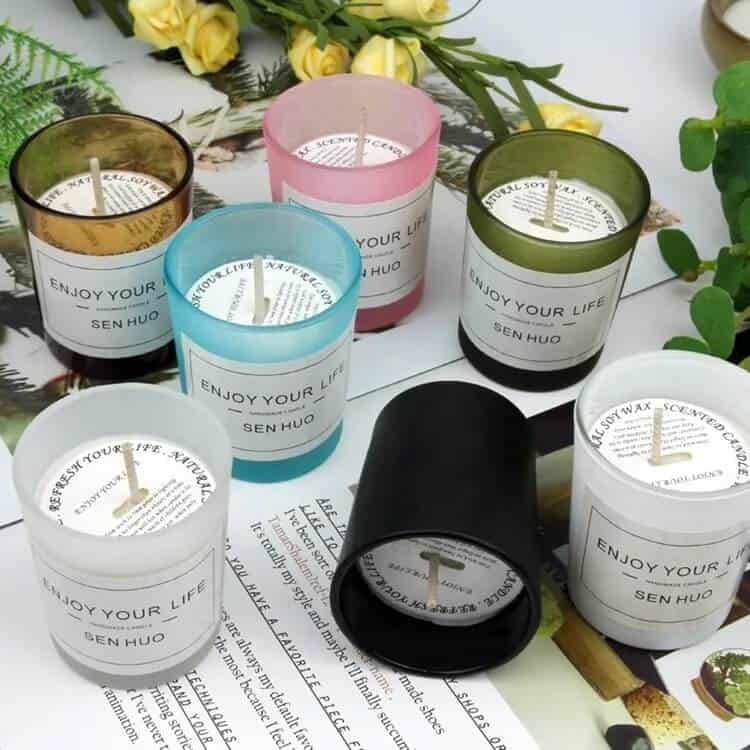
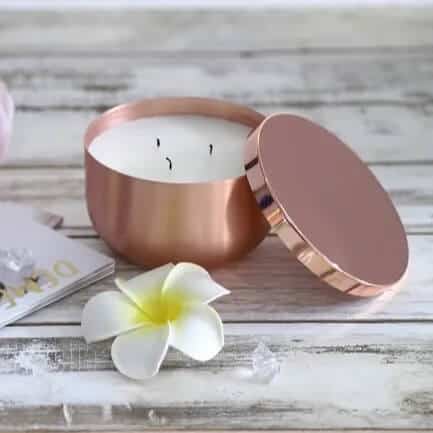
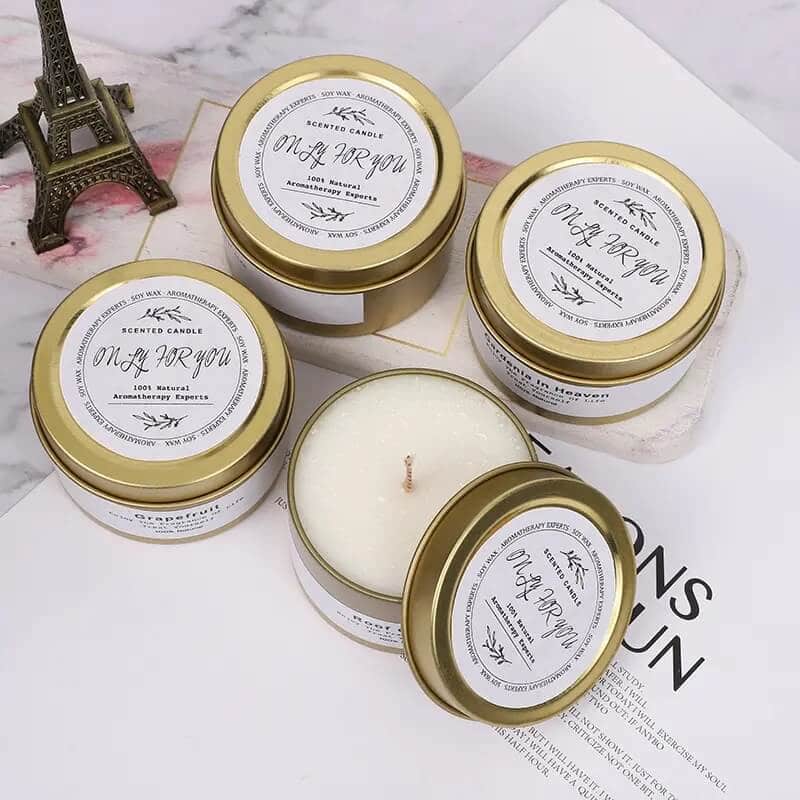
- Candles: Seamless aluminum tins are a favorite for candle makers because they can withstand heat without leaking.
Because they are lightweight and shatterproof, they are also safer and cheaper to ship than glass, making them a favorite for e-commerce businesses.
What are Aluminum Tin Boxes or Containers Made Of?
To the average consumer, it just looks like shiny metal. But as manufacturing experts, we know that the specific material matters. High-quality aluminum tins are typically manufactured using Aluminum Alloy 1060 or 1070.
The Raw Material: 1060 & 1070
These are not your average scrap metals.
- Aluminum 1060 contains 99.6% pure aluminum. It is famous for its excellent forming characteristics and high corrosion resistance.
- Aluminum 1070 bumps that purity up to 99.7%.
- Aluminum 6061, aluminum purity up to 98.56, known for its excellent combination of strength, corrosion resistance, good machinability, and weldability.
We use these specific high-purity alloys because they are soft enough to be shaped without cracking but durable enough to protect your product. They are food-grade safe.
The Manufacturing Process
How do we turn a flat sheet of aluminum into a seamless aluminum tin? The process relies on a technique called Deep Drawing (or stamping).
- Punching (Blanking): It all starts with a massive coil of Aluminum 1060 or 1070. A high-speed press unrolls the coil and punches out round discs, known as “blanks.”
- Cupping: The blank is immediately pressed into a preliminary die to form a shallow cup. This establishes the basic diameter of the tin.
- Deep Drawing & Ironing: This is where the magic happens. The cup is pushed through a series of progressively smaller dies. This stretches the walls higher and irons them thinner without creating any seams. This “seamless” finish is why your candle wax won’t leak and why the tins look so sleek.
- Trimming: After drawing, the top edge of the tin is often uneven or “eared.” A trimming machine cuts the tin to the exact required height, ensuring a perfectly flat edge.
- Washing & Degreasing: The drawing process uses lubricants to keep the metal cool and smooth. Before any coating can be applied, the tins go through an industrial wash and dry cycle to remove all oil and residue.
- Coating (Internal & External):
- Internal: If the tin is for food or water-based cosmetics, we spray a food-safe epoxy or lacquer liner inside to prevent reaction with the aluminum.
- External: A base coat is often applied to the outside to prepare the surface for printing or to give it a specific color finish.
- Curling (Beading): The sharp, trimmed edge of the tin is rolled over (curled) to create a smooth, safe lip. This also adds structural rigidity to the opening.
- Threading (Optional): If the tin uses a screw-top lid, the neck of the tin is passed through a threading machine which rolls the precise thread profile into the metal. If not with screw-top lid, then necking process is also needed.
- Printing & Decorating: This is where the branding comes to life. Using offset printing, we apply logos, colors, and designs directly onto the curved surface of the tin.
- Final Curing: The tins pass through a large oven to cure the inks and coatings, ensuring they are durable and won’t chip.
Because this process happens at room temperature (cold working), the aluminum actually gets stronger as it is shaped. Normally, we can also call aluminum cold extrusion.
Above we only mention the key process, actually it is much more complicated and more process steps. And different companies processes with different steps. So it’s just for the reference.
Are Aluminum Tins Recyclable?
The simple answer is yes. In fact, they are one of the most recyclable packaging materials on Earth.
But let’s go deeper—why are they so recyclable compared to plastic?
The “Infinite Loop” of Aluminum
Aluminum is what we call a permanent material. Unlike plastic, which degrades in quality every time it is recycled (eventually becoming waste), aluminum can be melted down and reformed infinitely without losing its properties. The aluminum 1060 tin you recycle today could be turned into a car part, a window frame, or another tin in 60 days.
Energy Efficiency
Recycling aluminum is an energy superhero. Creating new aluminum from raw bauxite ore is incredibly energy-intensive. However, recycling existing aluminum saves up to 95% of that energy.
When you recycle an aluminum tin, you aren’t just saving space in a landfill; you are saving the massive amount of electricity required to mine and refine new metal. This high scrap value means that recyclers want your aluminum tins. It is a material that pays for its own recycling process, ensuring high recycling rates globally.
How to Recycle Your Aluminum Tins (Best Practices)
While aluminum is 100% recyclable, you can help the process go smoother by following these steps:
- Empty the Contents: Recyclers don’t want your leftover shea butter or tea leaves. Wipe out the tin or give it a quick rinse.
- Remove Non-Metal Liners: If your tin has a plastic window (common in spice tins) or a foam liner in the lid, try to pop those out. Pure metal is easier to process.
- Don’t Crush It (Usually): While we used to crush cans, modern sorting machines sometimes rely on the 3D shape of the object to sort it from paper. Check your local recycling rules.
Aluminum vs. Plastic: The Verdict
For brands and consumers asking “are aluminum tins recyclable?”, the answer goes beyond just “yes.” It is a solution to the global waste crisis.
- Plastic: Often ends up in landfills or oceans; limited recycling life.
- Aluminum Tins: High value, infinitely recyclable, and supports a circular economy.
By choosing aluminum tins, you aren’t just choosing a premium look for your product—you are choosing a material that will likely be reused for generations to come.
Contact FLYTINBOTTLE
Looking for high-quality, recyclable aluminum packaging for your brand? Explore FLYTINBOTTLE’s range of 100% recyclable aluminum tins today.
RELATED PRODUCTS:

Why Are Ball Aluminum Cups so good?

Vitamin Bottle

Aluminum Pill Bottle

Aluminum Cups: A Revolution Alternative to Paper and Plastic?

Aluminum Coke Bottles
Aluminum Dropper Bottle
Sparkling Water Aluminum Bottle

Can you put aluminum water bottles in the dishwasher

Aluminum Bottle Caps

Path Water Bottle Introduction
Are aluminum cups safe

Double Lid Tea Canister

Matcha Tea Canister

Aluminum Capsule Bottle

Energy Drink Aluminum Bottle

Aluminum Cosmetic Bottles

Spring Water in Aluminum Bottles

Aluminum Sports Water Bottles

Body Wash in Aluminum Bottle

Aluminum Soda Bottles

Aluminum Bike Bottle

Branded Aluminum Water Bottles

Aluminium Bottle For Pesticides

Aluminium Bottle For Chemicals

Aluminium Bottle For Perfume
Ultimate Guide for Candle Tins- Metal Candle Containers
Metal and Plastic Cup: Which is Better?
Aluminum Cups Colored
Empty tea tins
Candle Making FAQ
Best Candle Jars & Tins & Containers
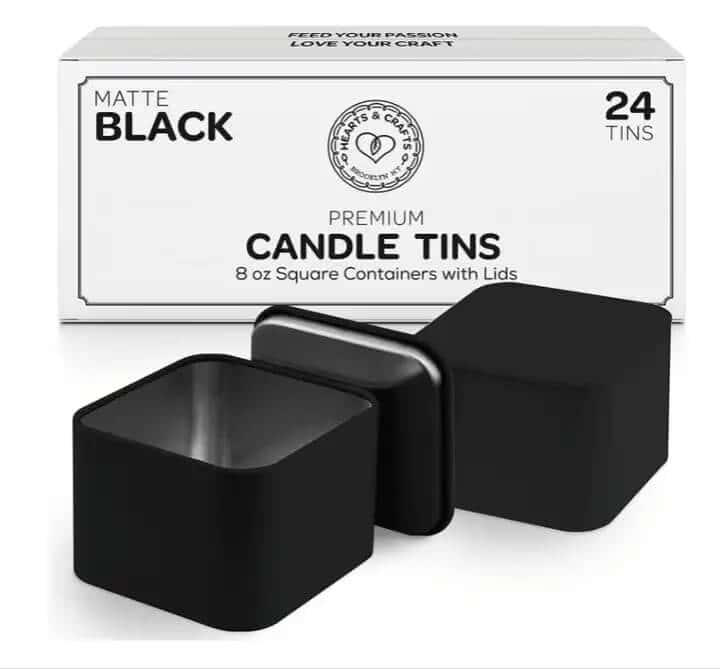
Square candle tins
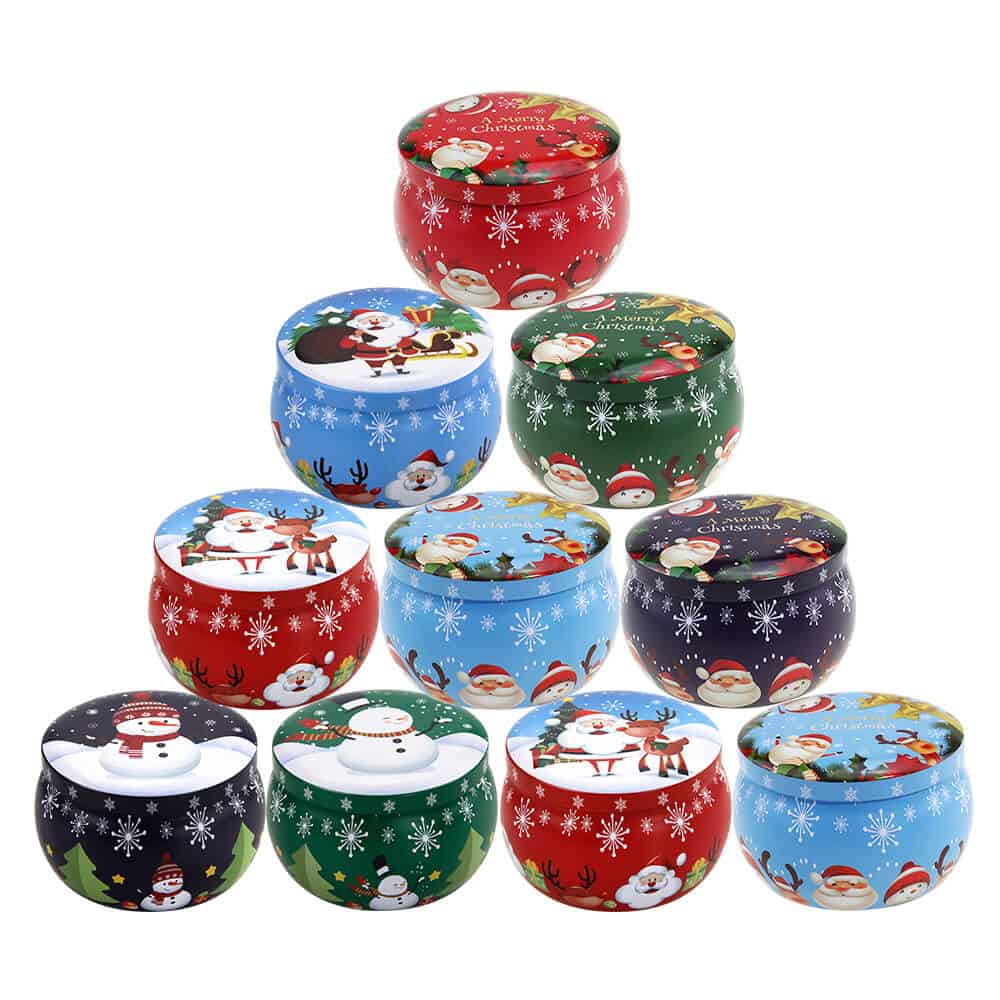
Decorative candle tins
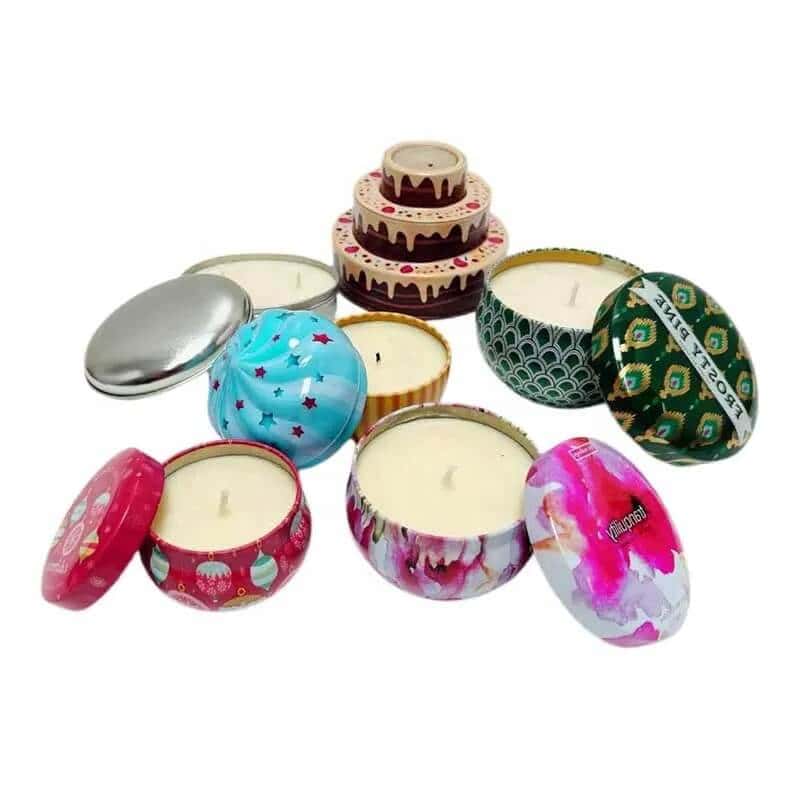
Small Candle Tins
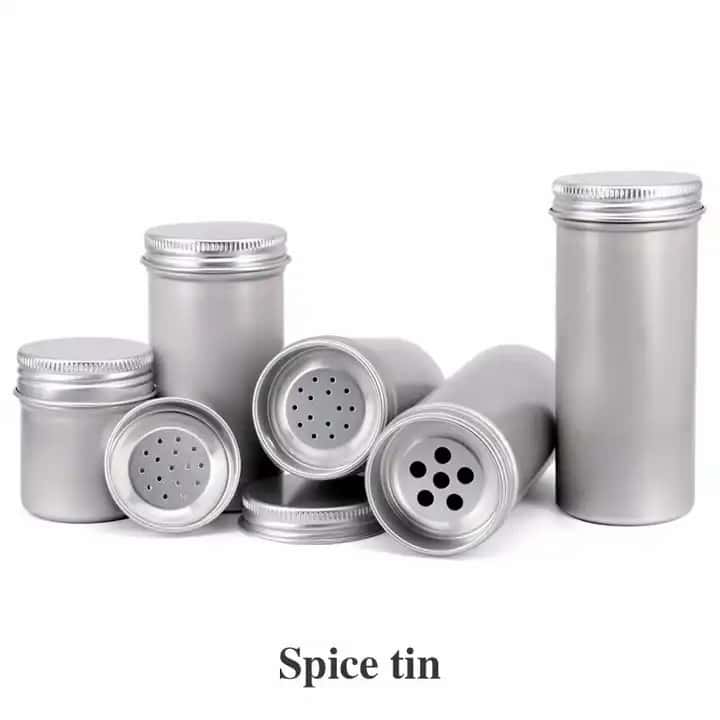
Metal Spice Tins
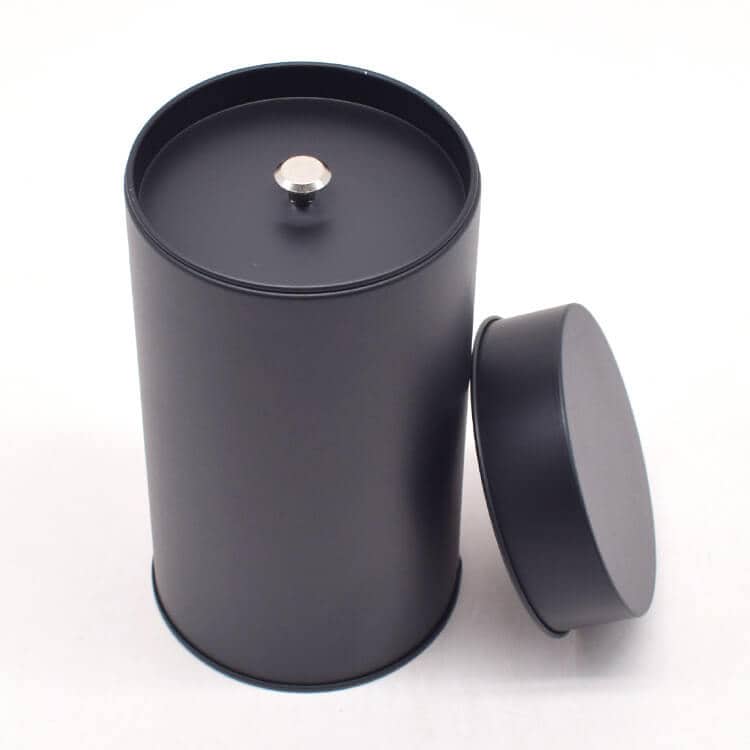
Custom Tea Tin
Disposable Aluminum Water Bottles
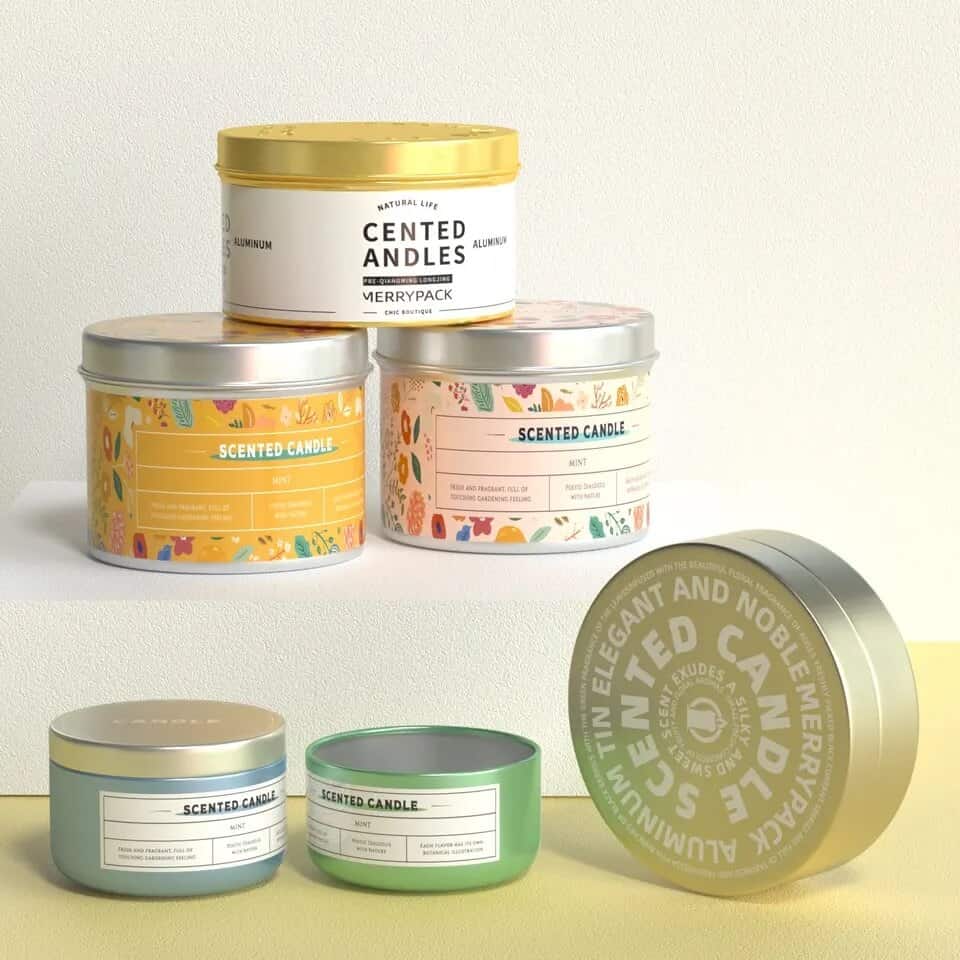
Custom Candle Tins
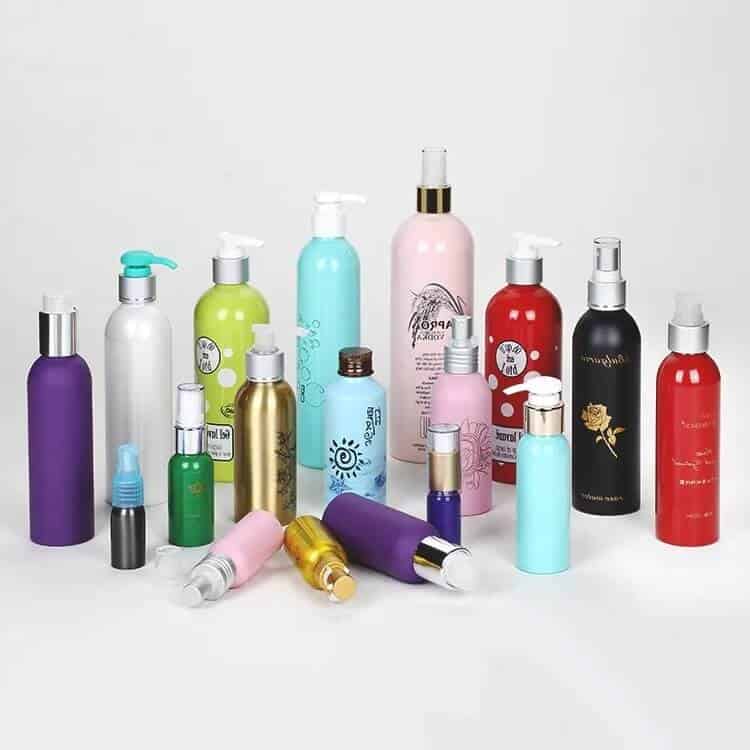
Aluminium Bottle Manufacturer
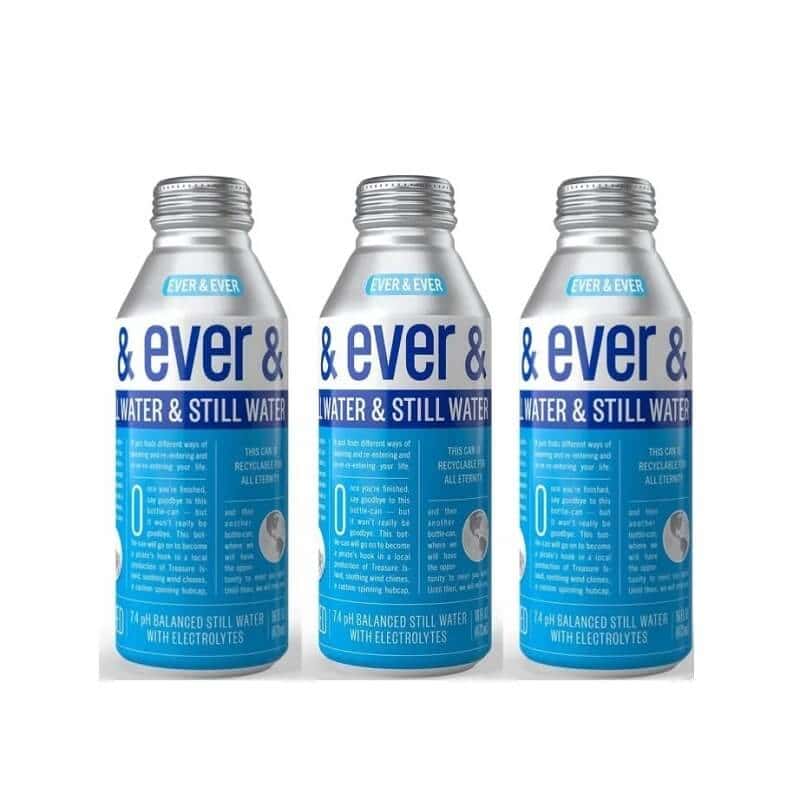
Beverage Aluminum Bottles
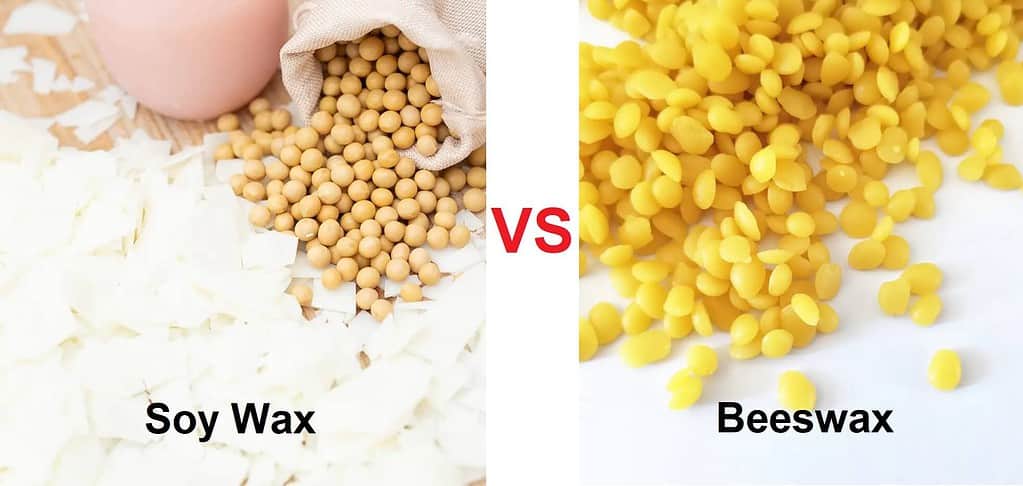
Soy wax vs beeswax
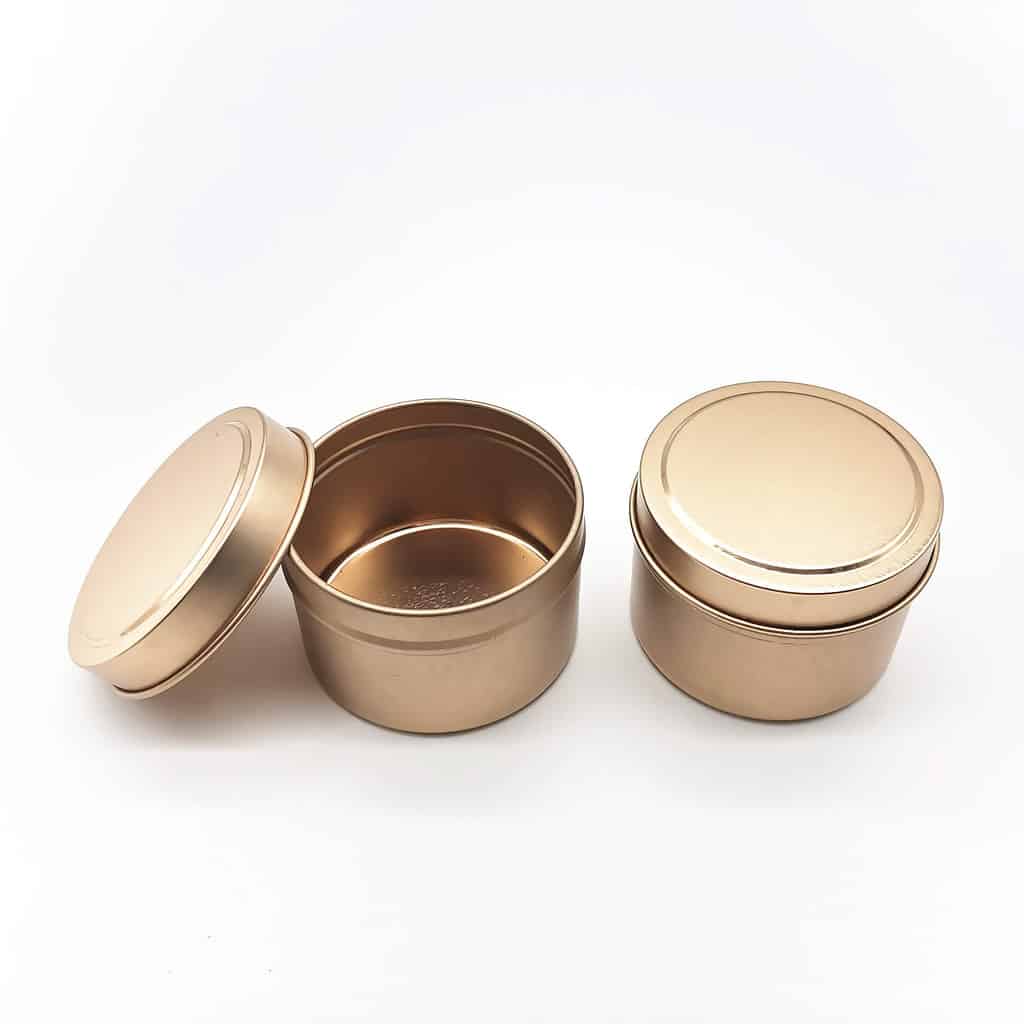
Rose Gold Candle Tins
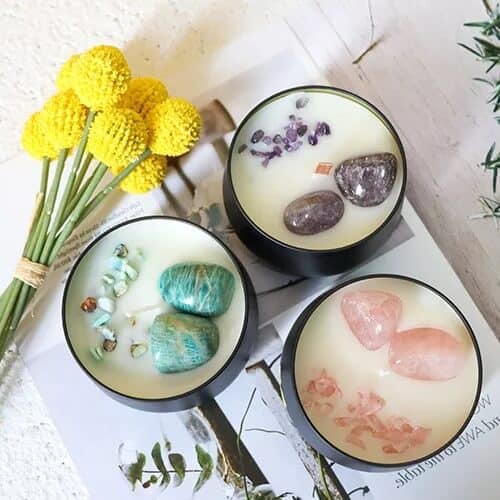
What is a container candle
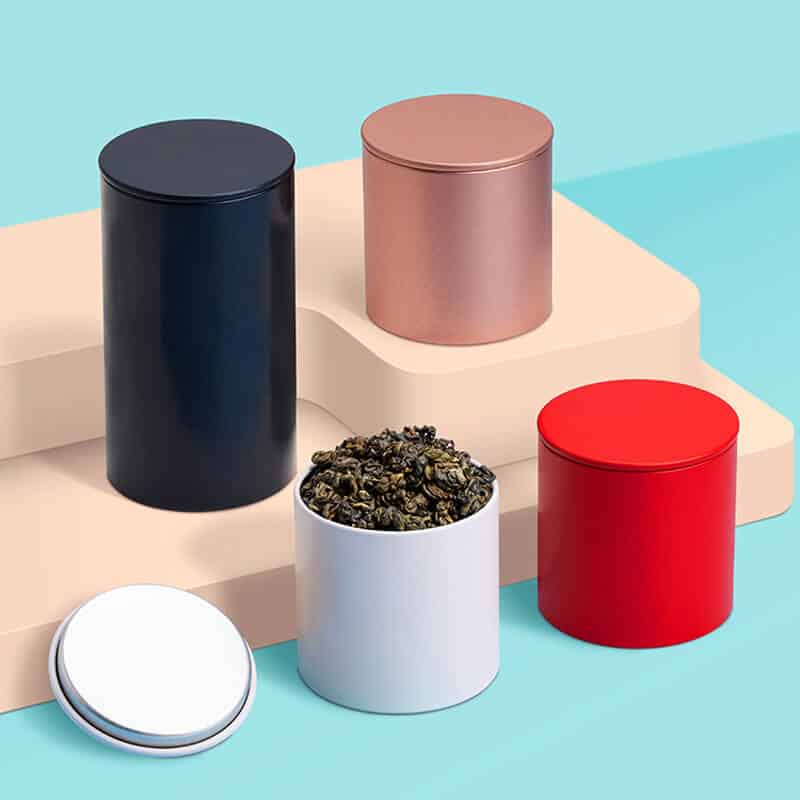
Small tea tins
The Ultimate Guide to the Best Tea Tins: Preserving Freshness and Flavor
Luxury Candle Tins
Why Tins are Ideal for Tea and Loose Leaf Tea Storage
Gold Candle Tins
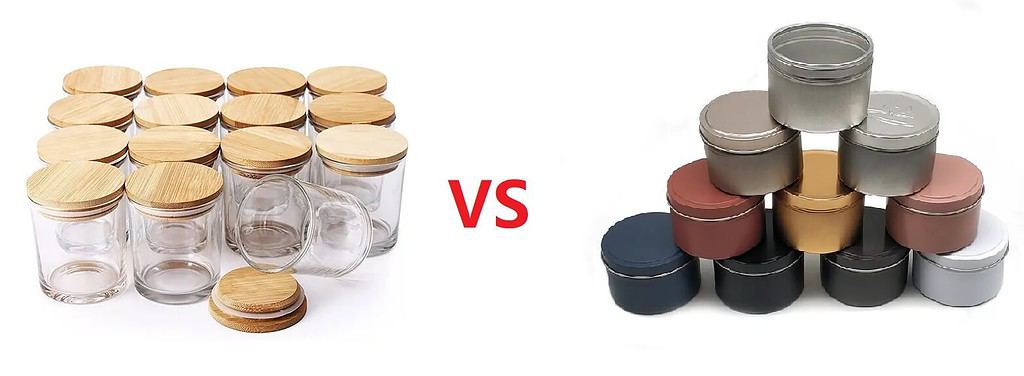
Candle Tins vs Candle Jars: The Ultimate Showdown

How Long Does Tea Last in a Tin

Aluminum water bottle vs stainless steel
Bud Light Aluminum Bottle Introduction
Custom aluminum water bottles
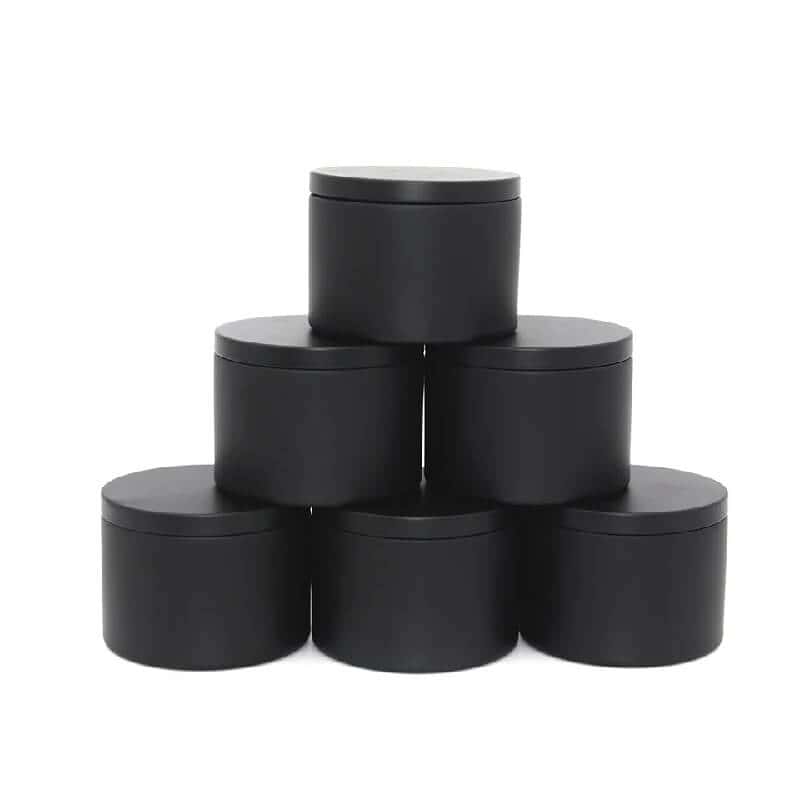
Black candle tins

Disposable aluminum cups
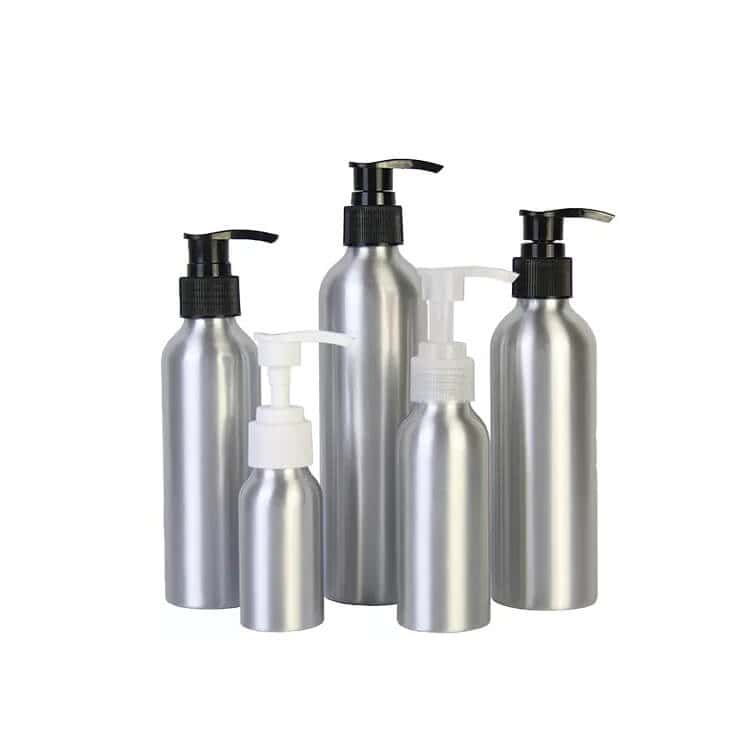
Aluminum pump bottles
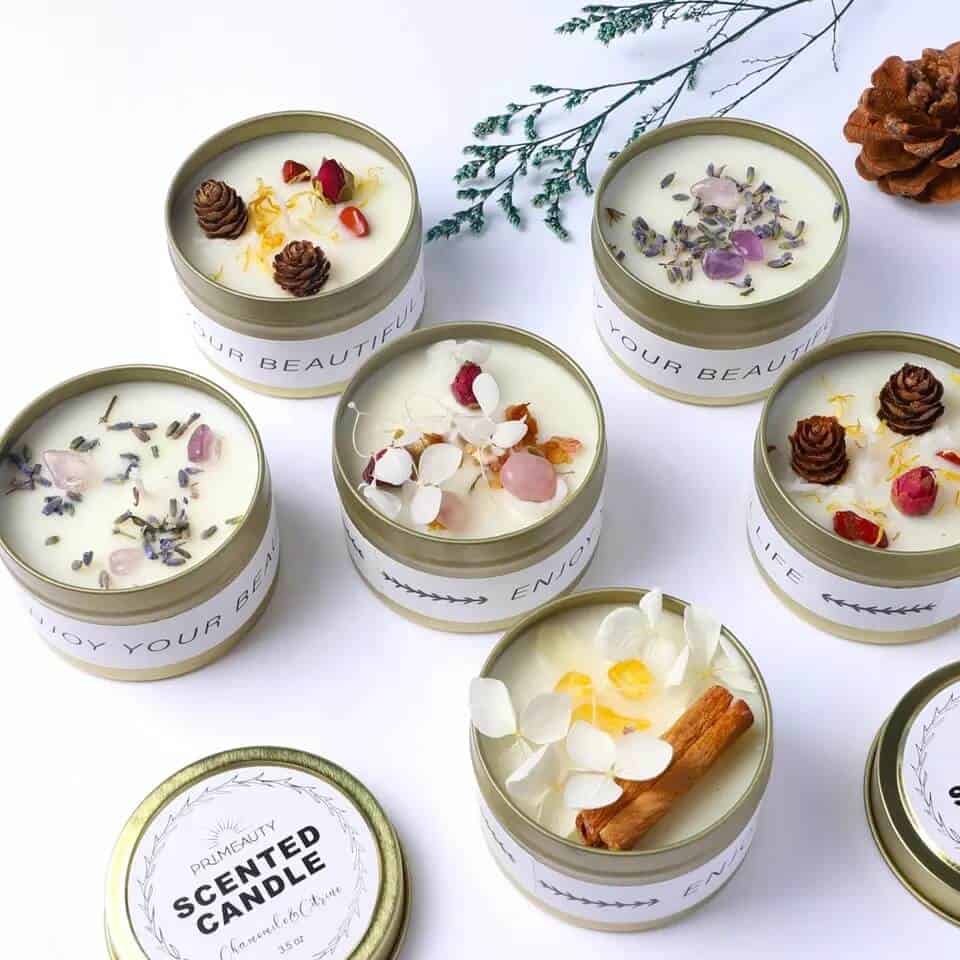
Candle tins wholesale uk
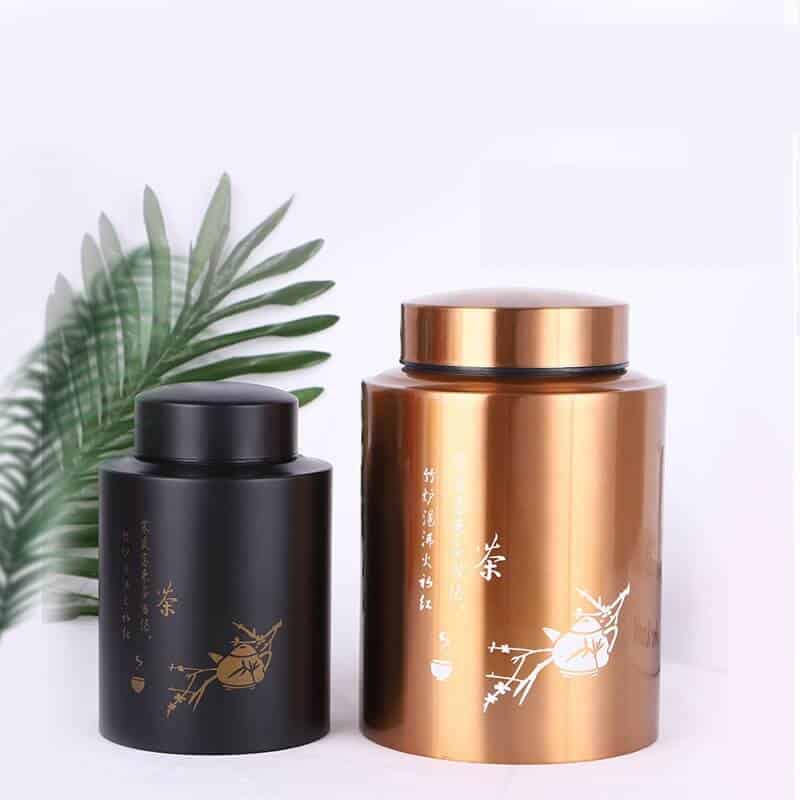
Loose tea tins
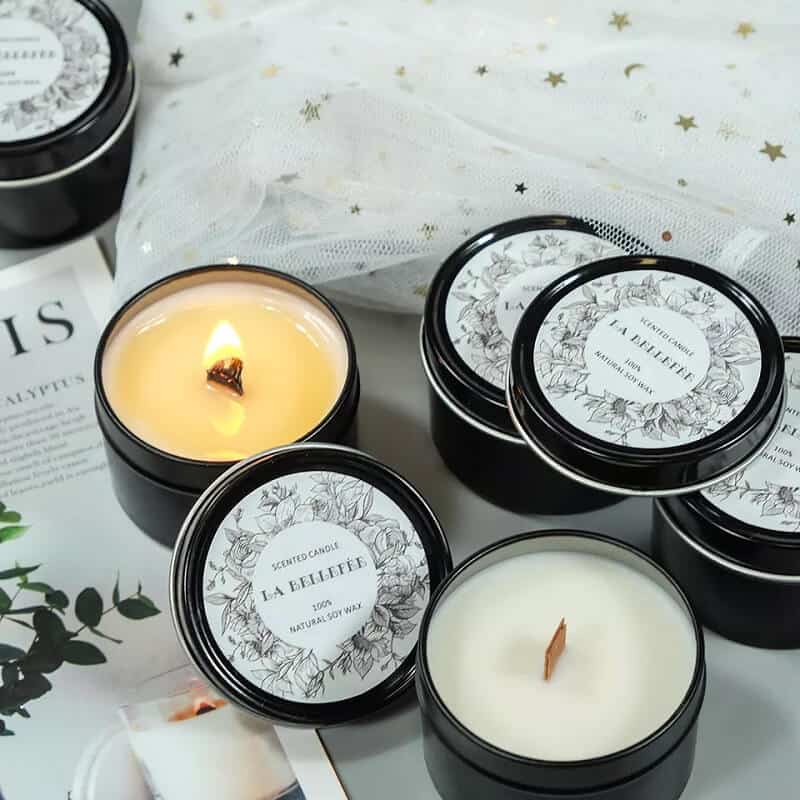
Scented candle in tin