
Water bottles are the most frequently used thing in our daily life. Sometimes the water bottle is too small for us to drink enough water, and sometimes the bottle is too large to carry, especially in our outdoor lives. What is the best water bottle size for you?
Choosing the right size of water bottle makes a big difference in how easily you meet your daily water goals. Whether you’re at work, doing some sports, or traveling, the bottle you carry should match your lifestyle. However, with so many options available, determining the ideal number of ounces in a water bottle can be confusing.
In this article, we will help you to solve this issue and try to find out the perfect water bottle sizes.
Understanding Water Bottle Sizes
Before understanding water bottle sizes, we need to understand the relationship between ounces, Milliliters, and gallon.
Ounces(oz) vs Milliliters(ml) vs Gallon
Ounces, Milliliters, and Gallons are three different measuring units for liquids. Each unit has its specific uses and is widely adopted in various regions, which is why understanding their differences is crucial for both consumers and manufacturers.
Ounces (oz): Ounces are a common unit of measurement used primarily in the United States for liquid and weight measurements. In the case of liquids, 1 ounce is equal to about 29.5735 milliliters. This unit is widely used for smaller quantities of liquids, such as in water bottles or beverage containers.
Milliliters (ml): Milliliters are part of the metric system and are used in most countries worldwide, particularly for precise measurements in cooking, science, and daily life. One milliliter is equivalent to 1/1000 of a liter, or approximately 0.0338 ounces.
Gallons: Gallons are larger units of liquid measurement, primarily used in the United States and a few other countries for bulk quantities of liquids like milk, water, or fuel. One gallon is equivalent to 128 ounces or about 3.785 liters (3,785 milliliters). In countries using the imperial system, a gallon is slightly different, equal to 160 ounces.
How Are These Units Converted?
- Ounces to Milliliters: 1 oz = 29.5735 ml
- Milliliters to Ounces: 1 ml = 0.0338 oz
- Ounces to Gallons: 128 oz = 1 gallon
- Milliliters to Gallons: 1 gallon = 3,785 ml
Here’s a quick reference for conversions:
| Ounces (oz) | Milliliters (ml) | Gallons (gal) |
|---|---|---|
| 8 oz | 236.6 ml | 0.0625 gal |
| 10 oz | 296.9 ml | 0.0781 gal |
| 12 oz | 355.5 ml | 0.0938 gal |
| 16 oz | 473.1 ml | 0.125 gal |
| 32 oz | 946.4 ml | 0.25 gal |
| 64 oz | 1,892.7 ml | 0.5 gal |
How Many Ounces in a Regular Water Bottle?
People often wonder how many ounces in regular water bottle? When someone refers to a “regular water bottle,” they usually mean 16.9 oz (500 ml), especially these disposable plastic water bottles. But some brands design bottles with slightly more or less capacity, depending on material, insulation, and usage purpose.
How Many Ounces in a Standard Water Bottle?
So how many ounces is a standard water bottle? A standard water bottle holds about 16 to 20 oz of liquid. This makes it portable, easy to carry, and enough to provide a good sip session without being too bulky. For example, a 16 oz bottle with a capacity of 473ml is sufficient to hold enough for one whole day. These standard capacities are not heavy enough to be taken when traveling or outdoor activities. For reusable bottles, many people prefer 20 oz, which is a great balance between capacity and portability.
Water Bottle Size Chart
Here’s a convenient chart showing common water bottle sizes in fluid ounces, milliliters, and a brief description of who they’re best for.

| Ounces (oz) | Milliliters (ml) | Best For |
|---|---|---|
| 8 oz | 237 ml | Small and easy to carry, ideal for kids’ lunchboxes or quick sips. |
| 12 oz | 355 ml | A compact size, good for short outings, a commute, or for holding coffee. |
| 16 oz | 473 ml | The standard “pint” size, great for daily use and fitting in most cup holders. |
| 20 oz | 591 ml | A very popular size for general hydration throughout the day. |
| 24 oz | 710 ml | A good option for staying hydrated during a workout or a longer activity. |
| 32 oz | 946 ml | Known as a “quart” size, this is a very common choice for all-day hydration. |
| 40 oz | 1,183 ml | A large capacity bottle that helps you meet your hydration goals with fewer refills. |
| 64 oz | 1,893 ml | Half-gallon jugs are perfect for very active individuals or those who track their intake. |
| 128 oz (1 gallon) | 3,785 ml | The ultimate hydration jug for serious athletes or those who want to carry all their water for the day in one go. |
Choosing the Right Water Bottle Size for Your Needs
The Best Water Bottle Size for Daily Hydration
For most people, a 24 oz or 32 oz water bottle is the sweet spot for daily hydration. This size strikes a great balance between capacity and portability. A 32 oz bottle, for example, is just shy of a liter, so refilling it two to three times throughout the day can help you hit the recommended eight glasses of water. It’s large enough that you won’t need to constantly refill it, but not so big that it becomes a burden to carry around. This size is ideal for keeping at your desk, in your car, or by your side at home.
The Best Water Bottle Size for Travel & Outdoor Activities
When you’re on the go, a water bottle that’s both lightweight and has a good capacity is key. For travel, a 20 oz or 24 oz bottle is often best. It fits easily in a backpack pocket or a cup holder on a plane or train. For outdoor activities like hiking, a 32 oz or even 40 oz bottle can be a lifesaver, especially if you won’t have easy access to water sources. This larger size ensures you stay hydrated during long treks without needing frequent refills, which is crucial for safety and performance.
Best Water Bottle for Work
Choosing a water bottle for the office should prioritize convenience and capacity. A 32 oz bottle is an excellent choice for a work setting. It allows you to have a significant amount of water at your desk, reducing interruptions to refill. This helps you focus on your tasks and stay productive. Additionally, a bottle made of stainless steel with good insulation is perfect for keeping your water cold throughout the day, which can be particularly refreshing during a long workday.
Best Water Bottle for School
For students, a bottle that is both durable and fits easily into a backpack is key. A 16 oz or 20 oz bottle is a great option for younger students, as it is lightweight and easy to carry. For older students and teens, a 24 oz or 32 oz bottle is more suitable. It can hold enough water to last through several classes or a sports practice. Look for a bottle with a spill-proof lid to prevent leaks inside their schoolbag.
For Gym-Goers as Well as Physical Fitness Lovers
Staying hydrated during a workout is crucial for performance and recovery. A 32 oz or 40 oz bottle is ideal for most gym sessions, as it provides enough water to last through intense exercise without needing a refill. For athletes or those who engage in long, strenuous workouts, a 64 oz (half-gallon) or even 128 oz (one-gallon) jug can be the best choice to ensure they have all the hydration they need readily available.
For People Who Take a Trip Frequently
Frequent travelers need a water bottle that is both compact and durable. A 20 oz or 24 oz bottle is perfect for this. It’s small enough to fit into a purse or a carry-on bag and is not too heavy to carry through an airport. Many travelers prefer a bottle with a carabiner or a loop so it can be attached to a bag. Choosing a bottle with a wide mouth makes it easier to clean and fill up quickly at a water fountain.
For Teens
Teens are often active with school, sports, and other activities, making hydration a priority. A 24 oz or 32 oz water bottle is a great size for them. It’s large enough to last through a school day or a practice session, yet it’s still portable enough to fit into a backpack or a gym bag. Personalizing the bottle with stickers or choosing a trendy color can also encourage them to carry it and drink more water.

For Adults Who Need to Hydrate Often
For adults who are prone to dehydration or simply want to stay on top of their water intake, a larger bottle is the way to go. A 32 oz or 40 oz bottle serves as a visual reminder to drink. The larger capacity means fewer trips to the water cooler, which is perfect for busy professionals. The goal is to make hydration as convenient as possible, and having a bigger bottle by your side can make a significant difference.
For the Elderly
Staying hydrated is crucial for the health of the elderly. A 16 oz or 20 oz water bottle is an excellent choice. This size is lightweight and easy to handle, reducing the risk of being too heavy to lift. Look for bottles with an easy-to-open lid and a non-slip grip. A bottle with a built-in straw can also be helpful for those with mobility issues, making it easier to take frequent, small sips throughout the day.
What Is the Height of a Water Bottle?

The height of a water bottle varies significantly depending on its capacity, material, and design. A sleek stainless steel bottle will have different dimensions from a lightweight plastic one, even if they hold the same amount of liquid. Knowing the typical height can be helpful for tasks such as fitting a bottle in your car’s cup holder, a backpack’s side pocket, or your gym bag. Below is a breakdown of common water bottle sizes and their approximate heights in inches, along with a table for quick reference.
6 oz. Water Bottle Height
A 6 oz water bottle is one of the smallest sizes you’ll find, often designed for kids or for single servings. These bottles are compact and easy to handle. Their height typically ranges from 4.5 to 5.5 inches. This makes them perfect for small lunchboxes or for a quick, on-the-go drink.
8 oz. Water Bottle Height
An 8 oz water bottle, a common size for disposable plastic bottles, is a bit taller than the 6 oz version. You can expect these bottles to be around 5.5 to 6.5 inches tall. Their small size makes them convenient for packing in a purse or for a short trip to the gym.
12 oz. Water Bottle Height
The 12 oz size is popular for both reusable bottles and cans. A standard 12 oz water bottle or travel mug typically stands between 7 to 8 inches tall. This is a great size for your morning commute or for a quick drink during a meeting, as it fits well in most cup holders and small bags.
16 oz. Water Bottle Height
A 16 oz bottle is the “pint” size and one of the most common capacities. These bottles usually have a height of 8 to 9 inches. They offer a good balance of capacity and portability, making them a popular choice for daily use and fitting in most standard cup holders and backpack pockets.
20 oz. Water Bottle Height
A 20 oz water bottle is a versatile size that’s great for daily hydration. You can expect its height to be around 8.5 to 9.5 inches. This size is a fantastic choice for staying hydrated during a workout or keeping at your desk, as it provides a substantial amount of water without being too bulky.
24 oz. Water Bottle Height
The 24 oz bottle is a favorite among athletes and hikers. Its height typically ranges from 9 to 10 inches. This size provides a generous amount of water, perfect for staying hydrated during a long hike, a gym session, or a full day of classes.
32 oz. Water Bottle Height
A 32 oz water bottle is a popular choice for all-day hydration. It’s the “quart” size and typically measures 10 to 11 inches tall. This size is perfect for those who want to minimize refills and focus on their hydration goals throughout the day, whether at the office or on a long road trip.
40 oz. Water Bottle Height
For those who prioritize maximum capacity, the 40 oz bottle is a great option. These larger bottles typically stand 10.5 to 11.5 inches tall. While they may not fit in all car cup holders, their size is ideal for long periods of activity, such as a full day of work or a big workout, as they hold nearly a half-gallon of water.
Water Bottle Height Comparison by Material
This chart gives you a general idea of how different materials and sizes affect a bottle’s height. Remember that exact dimensions can vary by brand and design.
| Bottle Size (oz) | Plastic Bottle Height | Stainless Steel Bottle Height | Aluminum Bottle Height |
|---|---|---|---|
| 6 oz | 4.5″ – 5.5″ | N/A (not a common size) | N/A (not a common size) |
| 8 oz | 5.5″ – 6.5″ | 6″ – 7″ | 6″ – 6.5″ |
| 12 oz | 7″ – 8″ | 8″ – 8.5″ | 7.5″ – 8″ |
| 16 oz | 8″ – 8.5″ | 9″ – 9.5″ | 8.5″ – 9″ |
| 20 oz | 8.5″ – 9″ | 9.5″ – 10″ | 9″ – 9.5″ |
| 24 oz | 9″ – 9.5″ | 10″ – 10.5″ | 9.5″ – 10″ |
| 32 oz | 10″ – 10.5″ | 11″ – 11.5″ | 10.5″ – 11″ |
| 40 oz | 10.5″ – 11″ | 11.5″ – 12″ | 11″ – 11.5″ |
FAQ:
Related Products

How To Choose Safe Water Bottles & Best Water Bottle Brands

How to choose the right food packaging for your product

The Ultimate Guide to DIY Lip Balm Recipes: From Tallow to Vegan Blends

Are Christmas Tins Recyclable

Are Candle Tins Recyclable?

Are Popcorn Tins Recyclable?
Are Aluminum Tins Recyclable?
Water Bottle Sizes

Perfume Bottle Sizes

Why Are Ball Aluminum Cups so good?

How to Store Matcha Powder

Ultimate Guide to Nuts Packaging

Is Tin metal?

Complete Guide to Vitamin & Supplement Packaging

Vitamin Bottle

Aluminum Pill Bottle

Aluminum Cups: A Revolution Alternative to Paper and Plastic?

Muffin Pan VS Cupcake Pan

Muffin pan sizes

What is a muffin tin

Aluminum Coke Bottles
Aluminum Dropper Bottle

The Ultimate Guide of Matcha Packaging
Sparkling Water Aluminum Bottle

Can you put aluminum water bottles in the dishwasher

Aluminum Bottle Caps

Path Water Bottle Introduction
Are aluminum cups safe

Do Stainless Steel Cups Have Lead?

Is Aluminum Recyclable?

Aluminum Capsule Bottle

Energy Drink Aluminum Bottle

Aluminum Cosmetic Bottles

Spring Water in Aluminum Bottles

Aluminum Sports Water Bottles

Body Wash in Aluminum Bottle

Aluminum Soda Bottles

Aluminum Bike Bottle

Branded Aluminum Water Bottles

Aluminium Bottle For Pesticides

Aluminium Bottle For Chemicals

Aluminium Bottle For Perfume
Ultimate Guide for Candle Tins- Metal Candle Containers
Aluminum vs Plastic Water Bottle
Metal and Plastic Cup: Which is Better?
Candle Making FAQ
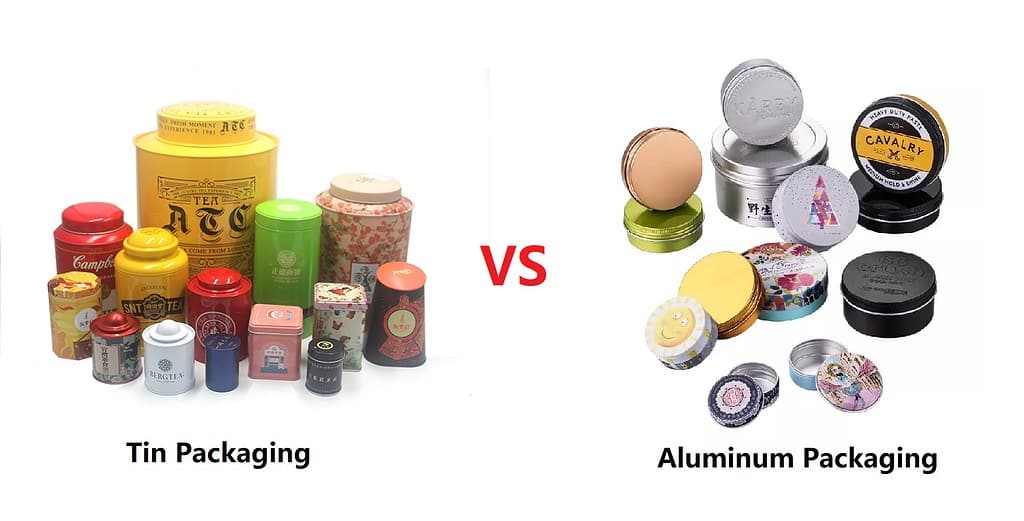
Tin vs Aluminum Packaging—Which is Better?
Best Candle Jars & Tins & Containers
What Are Tin Cans Made Of