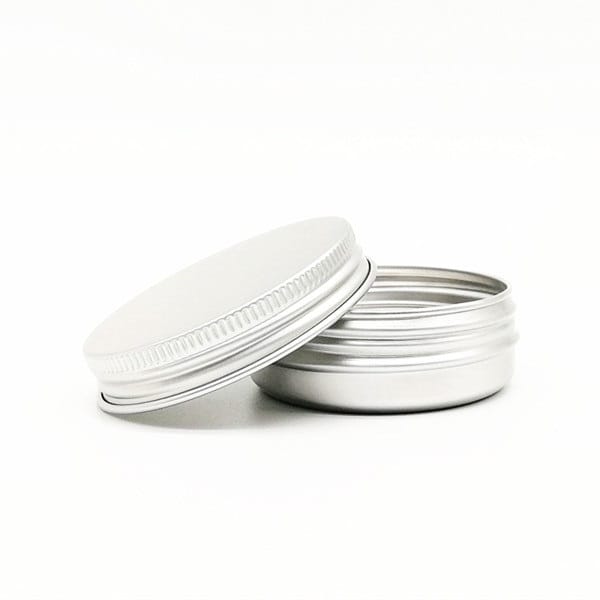

It’s the most wonderful time of the year—until the cleanup begins. Christmastime is full of happiness, gladness, and, inevitably, a lot of snacking. It’s a tradition here in the States and around the world: we use beautiful, decorative metal containers to pack homemade cookies, nuts, fudge, and those iconic three-flavor popcorn assortments.
These lovely Christmas tins always bring more happiness to people; they are essentially part of the gift itself. However, once the holidays wind down and the last cookie crumb has been eaten, you are left with a stack of empty festive containers.
This leads to the annual post-holiday dilemma. We always think about reusing Christmas tins—perhaps for next year’s bake sale or for storing ornaments—or should we just scrap them? As you stand over your recycling bin, the big question hits you: Are Christmas tins recyclable?
Before you throw that sturdy metal box in the trash, let’s dive into the facts about these holiday staples.
What is a Christmas Tin?
A Christmas tin is a rigid metal container, usually fitted with a tight-sealing lid, that is decorated with festive imagery—from snowy landscapes and Santa Claus to elegant winter patterns.
While they come in many shapes, the most common are round cookie tins, tall square biscuit tins, and the massive multi-gallon buckets used for popcorn. Unlike flimsy cardboard boxes or plastic bags, these tins are designed to be durable, airtight to keep contents fresh, and visually appealing enough to serve as a gift without needing extra wrapping paper.

What Are Christmas Tins Used For?
Historically and currently, the primary use for these tins is food packaging and gifting.
Because metal is excellent at protecting its contents from air, light, and moisture, it is the premium choice for:
- Cookies and Biscuits: Keeping shortbread and gingerbread crisp.
- Popcorn: The ubiquitous holiday popcorn tin is a staple of American corporate and family gifting.
- Confections: Chocolates, fudge, Tootsie Rolls, and hard candies.
- Nuts and Savory Snacks: Pretzels and snack mixes.
Beyond the initial gift, they are often designed with a “second life” in mind, intended to be kept by the recipient for household storage long after the food is gone.
What Are Christmas Tins Made Of?
To understand why they are recyclable, we need to know what they are made of. As experts in the metal industry, we can tell you that despite the name, they aren’t made of pure tin.
Christmas tins are manufactured from a material called Tinplate.
Tinplate is a thin sheet of steel (iron and carbon) that has been coated on both sides with an incredibly thin layer of commercially pure tin.
- The Steel Core: Provides the strength, durability, and rigid shape of the container.
- The Tin Coating: Acts as a food-safe barrier that prevents the steel from rusting and protects the flavor of the food inside.
Crucially, because the core is steel, Christmas tins are magnetic. This property is vital for how they get sorted in recycling facilities.
Are Christmas Tins Recyclable?
The short and simple answer is: Yes, absolutely.
Almost every municipal recycling program in the United States, the UK, and other English-speaking countries accepts metal holiday tins in their curbside recycling bins.
It does not matter how small the tin is (like a small mint tin in a stocking) or how large it is (like a giant popcorn bucket). If it is made of metal tinplate, it is 100% recyclable.
Why Are Christmas Tins Recyclable?
Steel (the main component of tinplate) is the most recycled material on the planet, recycled more than paper, plastic, glass, and aluminum combined.
Christmas tins are highly recyclable because steel is a “permanent material.” This means it can be melted down and infinitely reformed without ever losing its structural integrity or quality. The steel from your 2023 Christmas cookie tin could be melted down and turned into a car part, a bridge beam, or a brand-new Christmas tin for 2024.
Unlike plastic, which degrades each time it is recycled (“downcycling”), metal is a true closed-loop recyclable. Furthermore, according to the U.S. EPA and energy industry data
, recycling steel saves nearly 74% of the energy required to produce new steel from raw iron ore, making it a huge win for the environment.

How to Recycle Empty Christmas Tins Properly?
While these tins are readily recyclable, you can’t just toss a chocolate-smeared tin straight into the blue bin. Recycling centers need clean materials.
Here is the proper process to ensure your tin actually gets recycled:
- Empty It Completely: Ensure there are no leftover crumbs, popcorn kernels, or plastic wrappers inside.
- Remove Non-Metal Parts: Some holiday tins come with plastic inserts (trays holding cookies in place), paper liners, or decorative ribbons and bows on the outside. These must be removed and disposed of separately.
- Rinse and Dry: This is the most important step. Give the tin a quick wash with warm, soapy water to remove grease, butter residue, or sugar stickiness. Food contamination can cause entire batches of recycling to be sent to the landfill. Make sure it is dry before putting it in the bin to prevent prematurely rusting other materials.
- Don’t Crush (Usually): While you might crush aluminum soda cans, steel tins are harder to crush, and many automated sorting machines actually use the 3D shape of the can to help identify it. Leave them whole unless your local program specifies otherwise.
- Curbside It: Place the clean tin and its lid in your standard curbside recycling bin along with your soup cans and soda cans.
What to Do With Used Christmas Tins?
Before you recycle, consider reuse. The durability of Christmas tins makes them legendary for household upcycling. If you aren’t ready to part with a particularly pretty tin, here are 8 ways to give it a second life:
- The Classic Sewing Kit: It’s practically an American tradition to open a Danish butter cookie tin and find needles and thread instead of cookies. Keep the tradition alive!
- Regifting: If the tin is in perfect condition, wash it thoroughly, line it with fresh parchment paper, and fill it with your own New Year’s baking to pass along to a neighbor.
- Office Organization: Use smaller tins to corral paperclips, rubber bands, pushpins, or crayons.
- DIY Planters: Drill a few drainage holes in the bottom of a popcorn bucket, fill it with soil, and you have a festive planter for a poinsettia or small pine.
- Pet Food Storage: The tight-fitting lids make large tins excellent, rodent-proof containers for dry dog or cat food.
- Garage Storage: They are rugged enough to hold nails, screws, nuts, and bolts on a workbench.
- Emergency Car Kits: Pack a medium-sized tin with a flashlight, batteries, some bandages, and emergency cash, and keep it under the seat of your car.
- Gift “Wrap”: Use them instead of boxes for wrapping awkwardly shaped gifts throughout the year. A little spray paint can cover the Christmas theme if needed.
Conclusion
When the holiday season wraps up, you can feel good about those metal containers. Are Christmas tins recyclable? Yes, they are one of the most sustainable forms of packaging available.
Whether you choose to upcycle them into handy storage containers or clean them out for the recycling bin, these sturdy metal tins are far from trash. By handling them correctly, you ensure they remain part of the circular economy for many holidays to come.
At FLYTINBOTTLE, we champion sustainable metal packaging. If you are a business looking for recyclable tinplate solutions for your holiday products, explore our range today.
Contact FLYTINBOTTLE
Looking for high-quality, recyclable metal tin containers for your brand? Explore FLYTINBOTTLE’s range of 100% recyclable tin containers today.
RELATED PRODUCTS:

Tin Storage Containers

Hinged Metal Tin Boxes

Matcha Tin

Salve Tins

Cosmetic tins


Cannabis Tins

Child Resistant Tins
Ultimate Guide for Candle Tins- Metal Candle Containers
Embossed Tin

Candle Making FAQ
Window tins
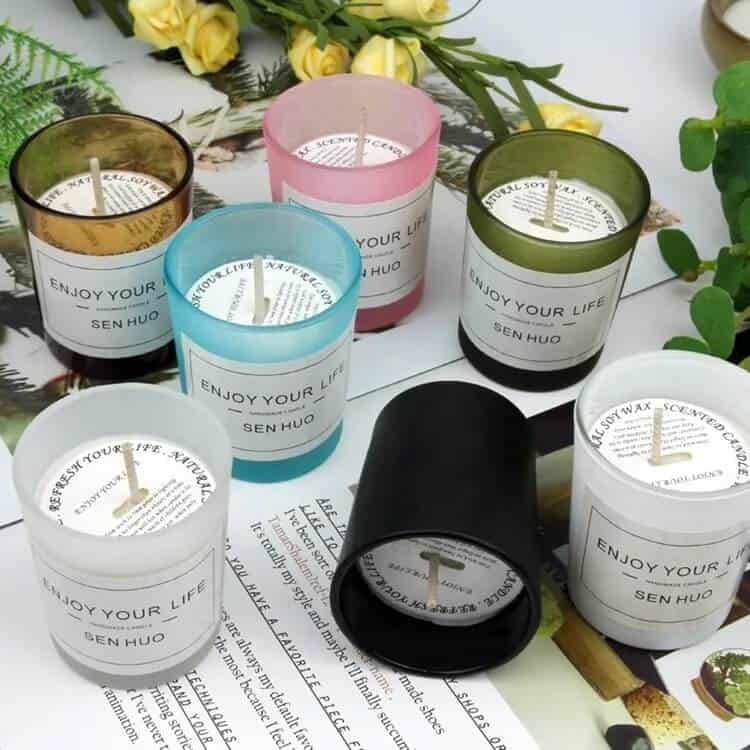
Best Candle Jars & Tins & Containers
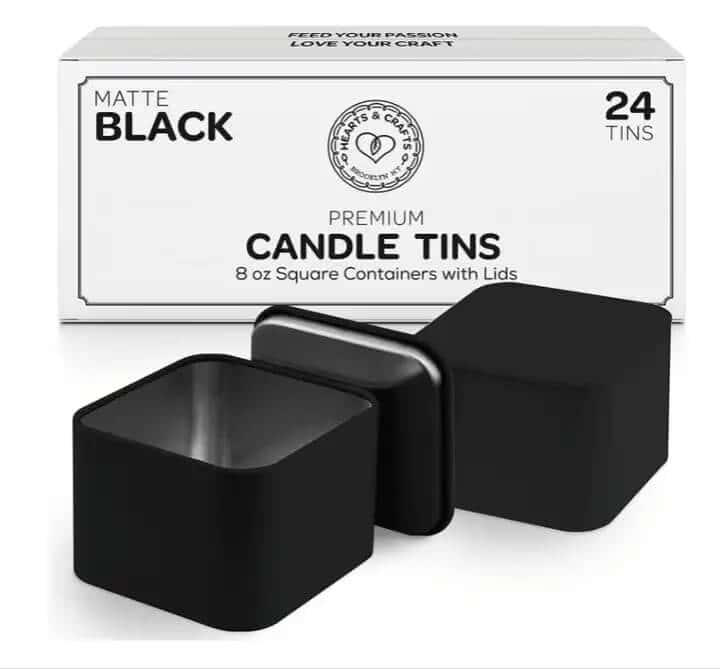
Square candle tins
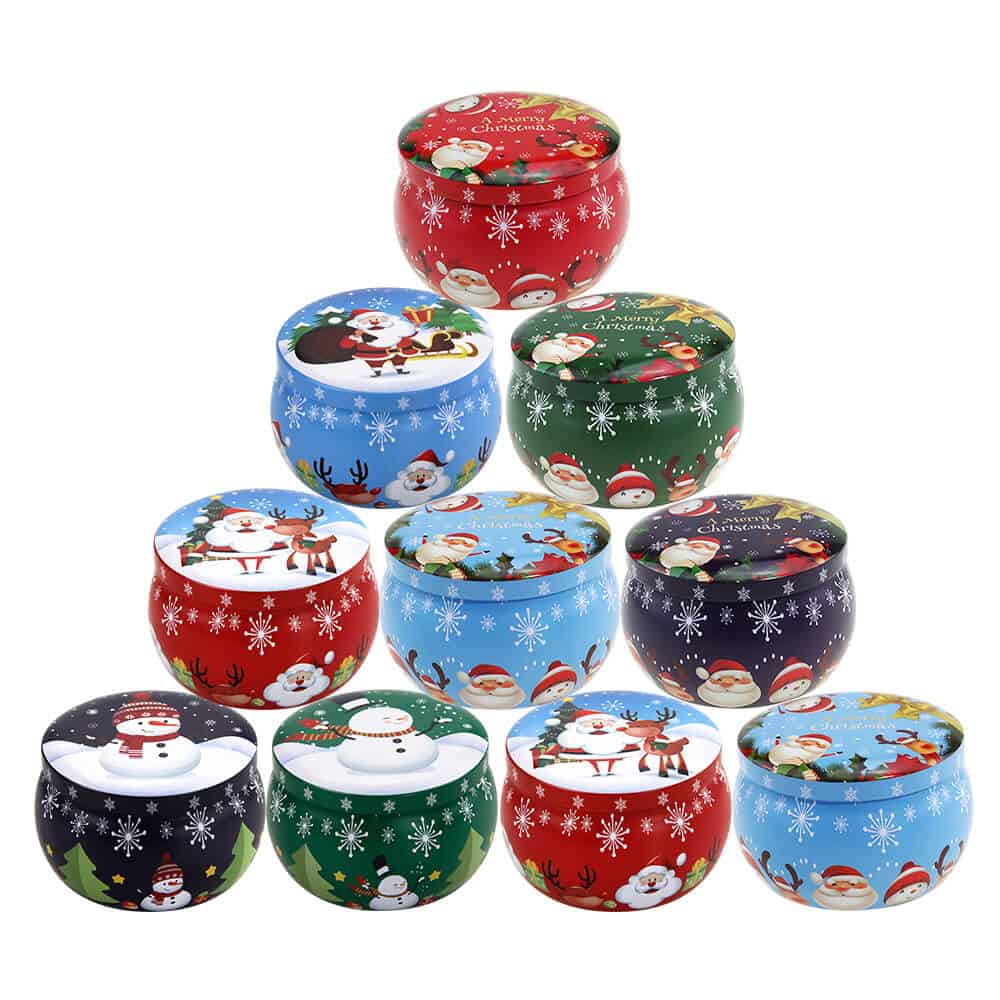
Decorative candle tins
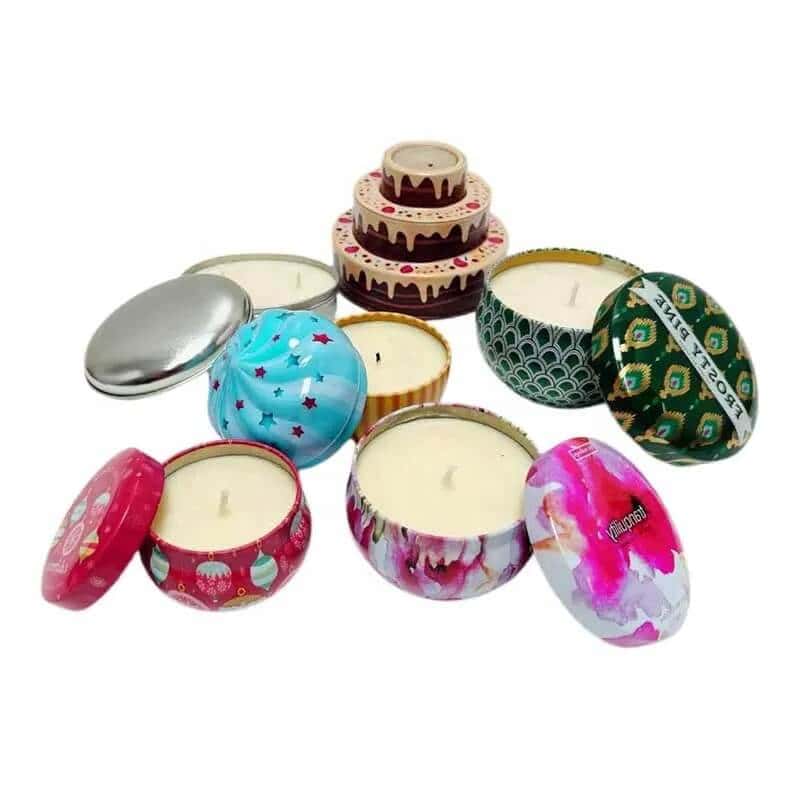
Small Candle Tins
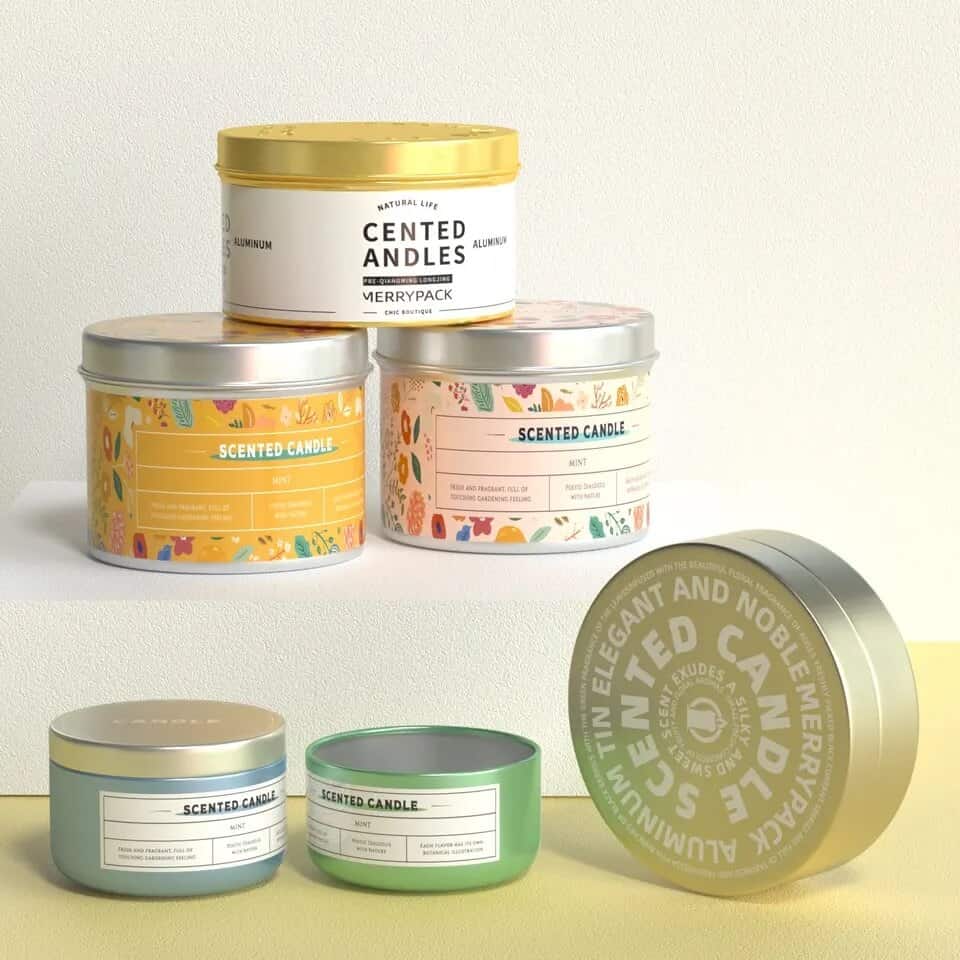
Tin Packaging
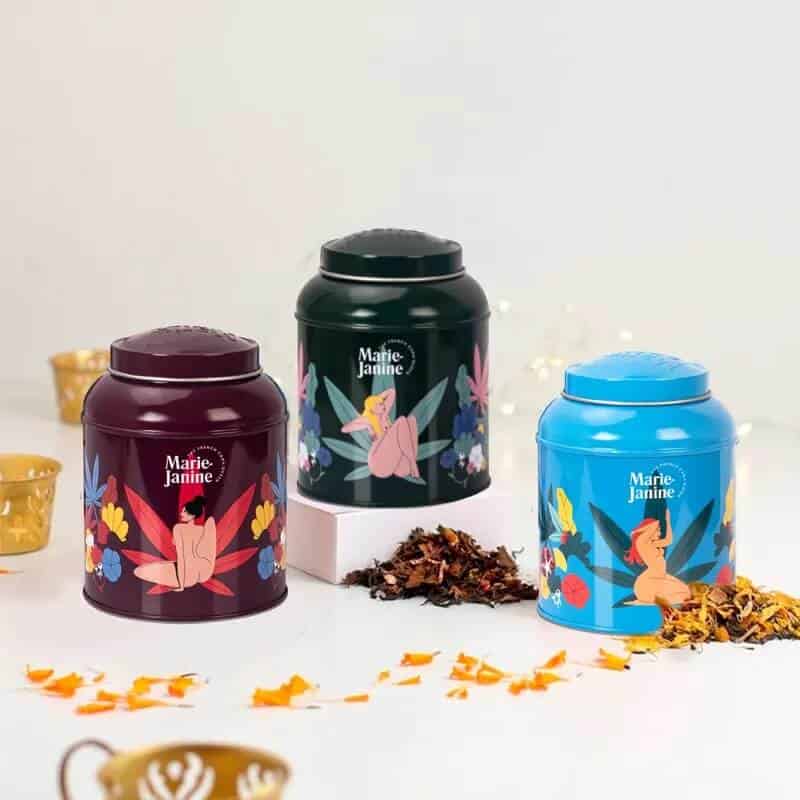
What Are Tin Cans Made Of
Custom Candle Tins
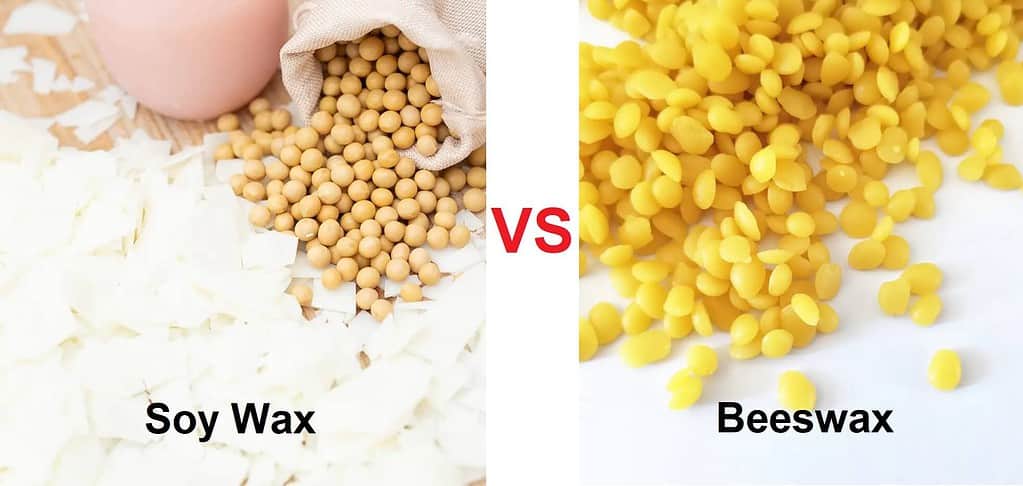
Soy wax vs beeswax
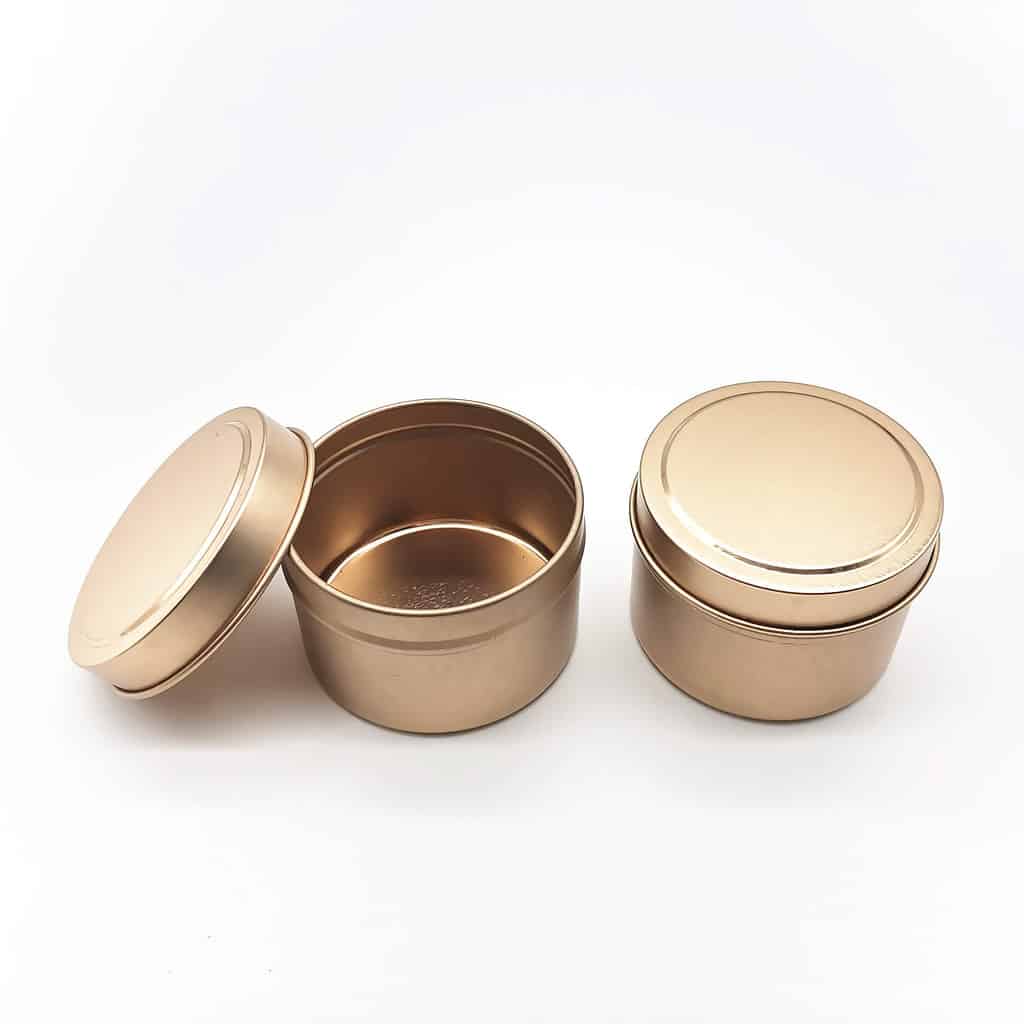
Rose Gold Candle Tins
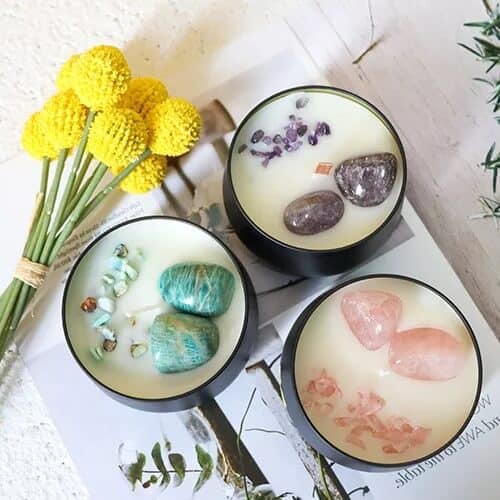
What is a container candle
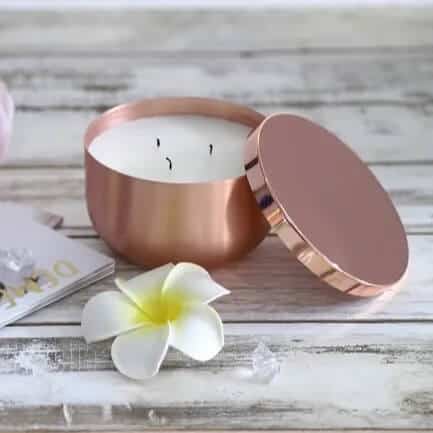
Luxury Candle Tins
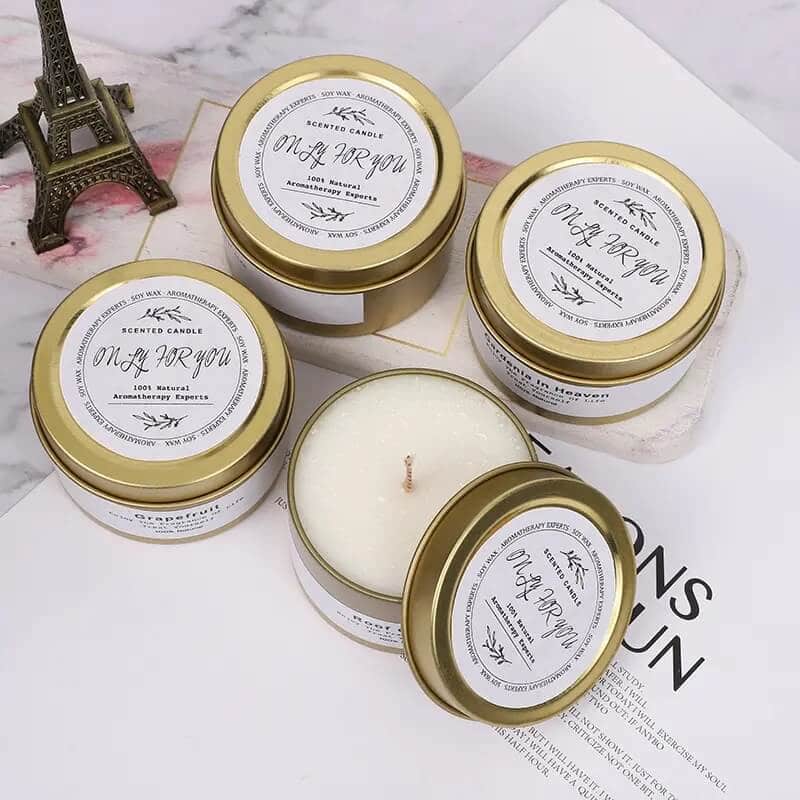
Gold Candle Tins
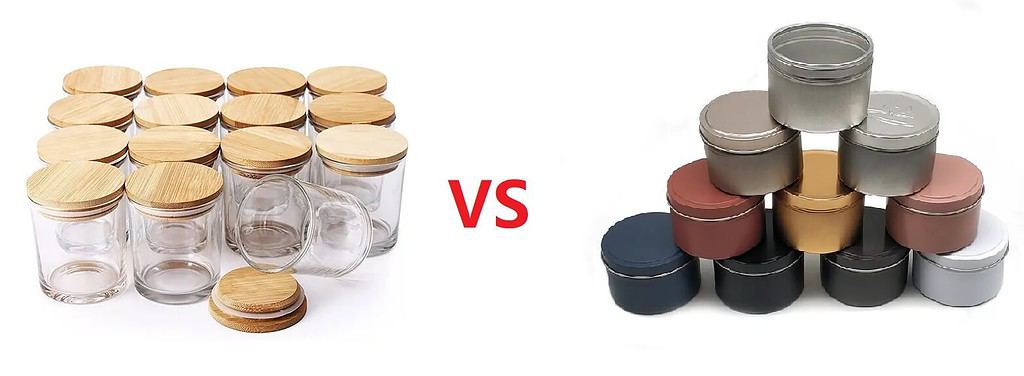
Candle Tins vs Candle Jars: The Ultimate Showdown
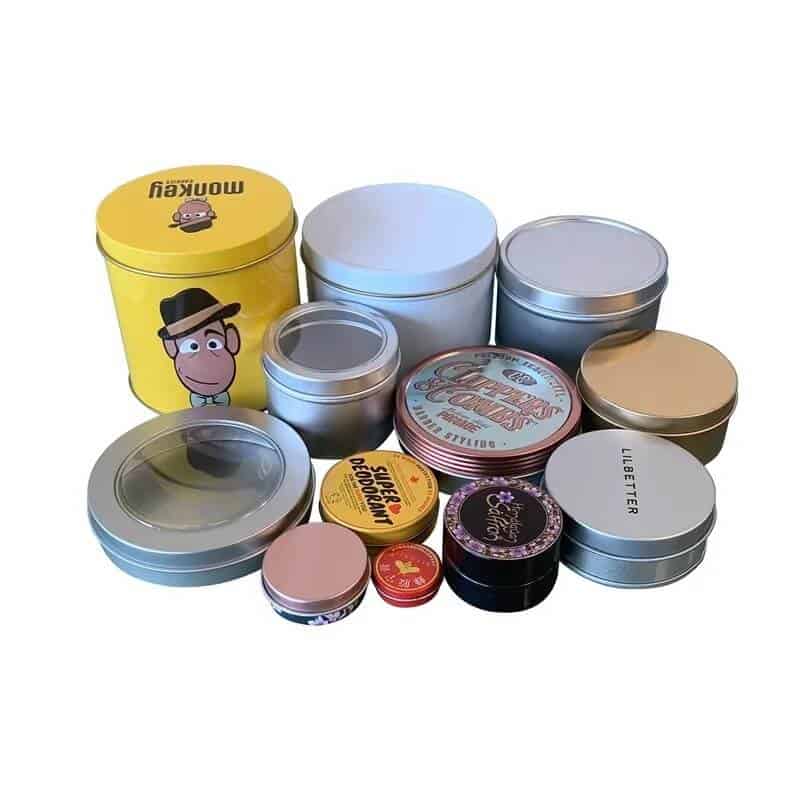
Custom tins
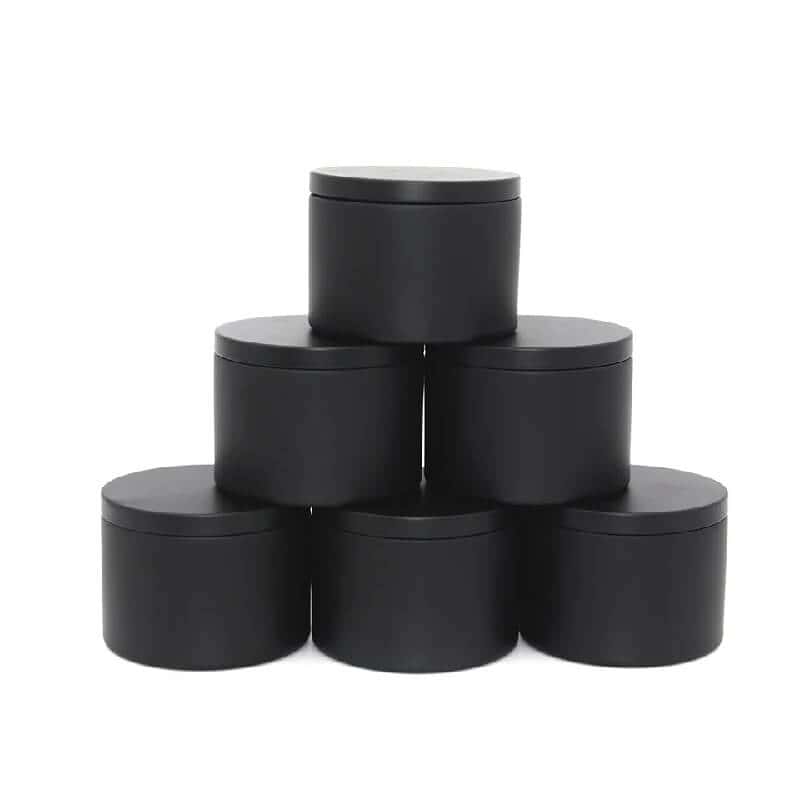
Black candle tins

Candle tins wholesale uk
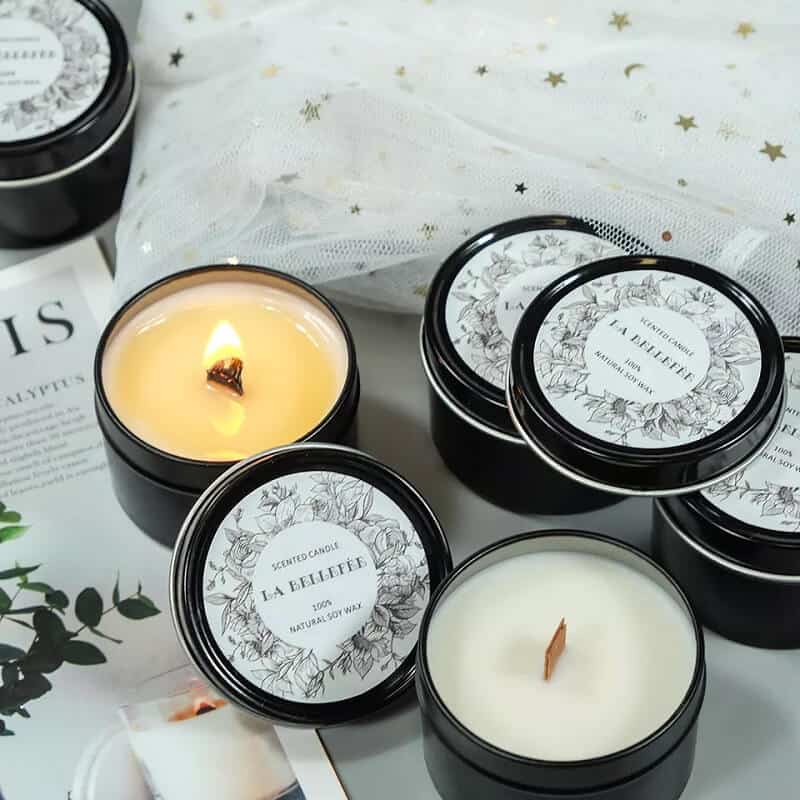
Scented candle in tin
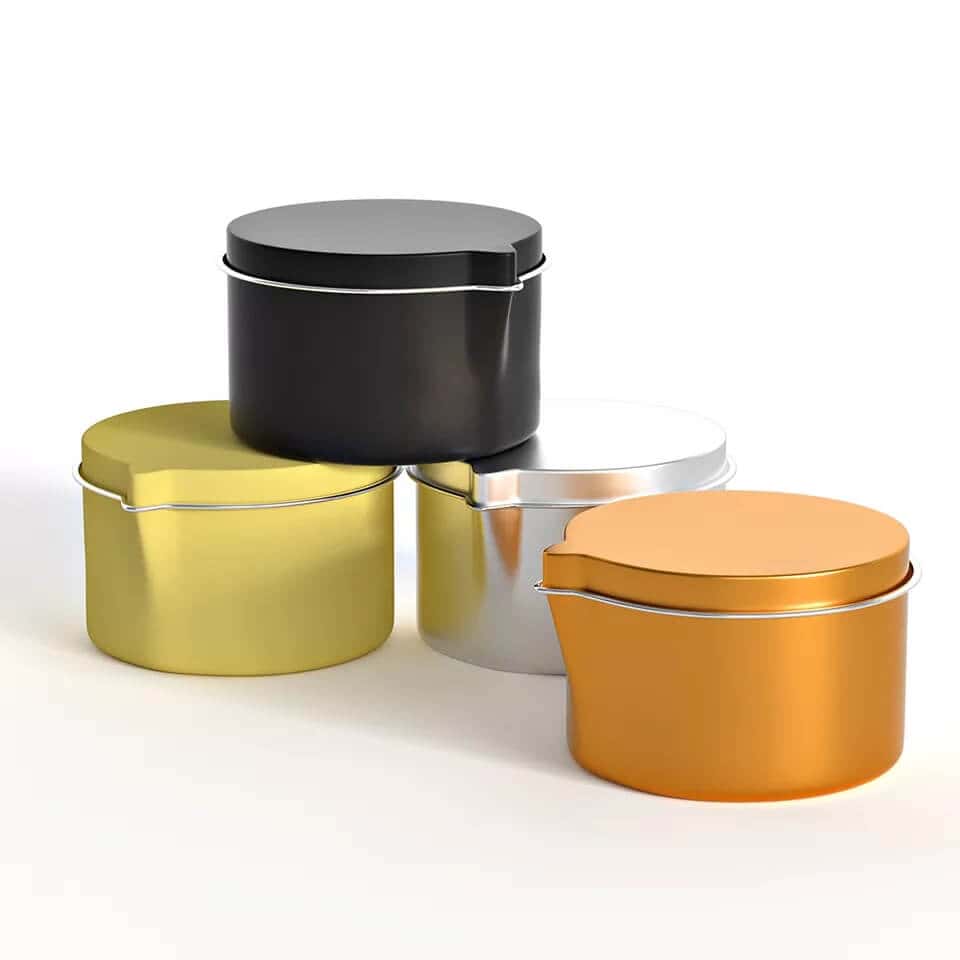
Candle tin with pour spout
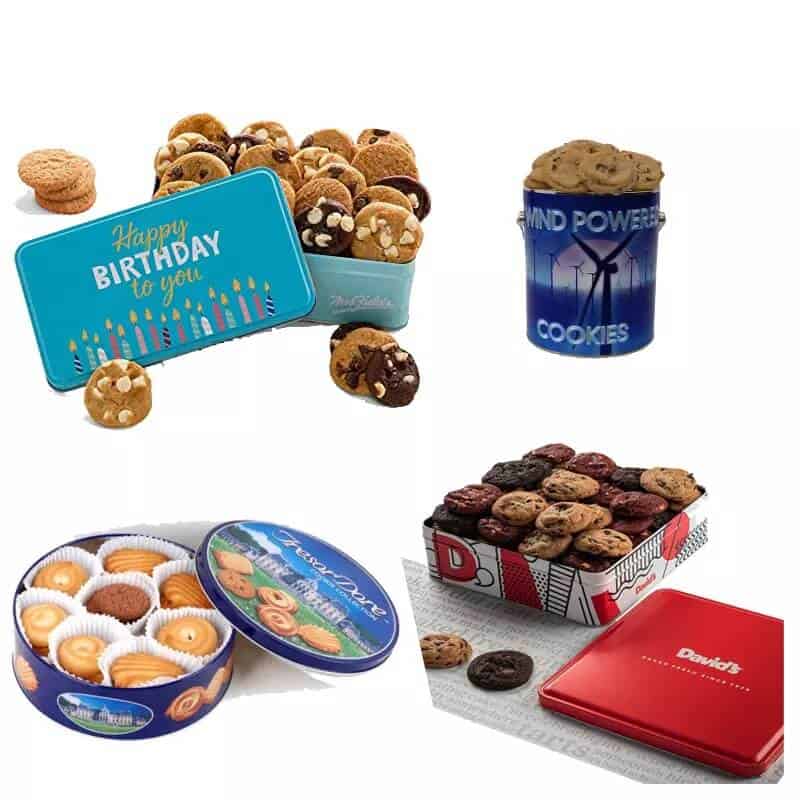
Custom and personalized cookie tin
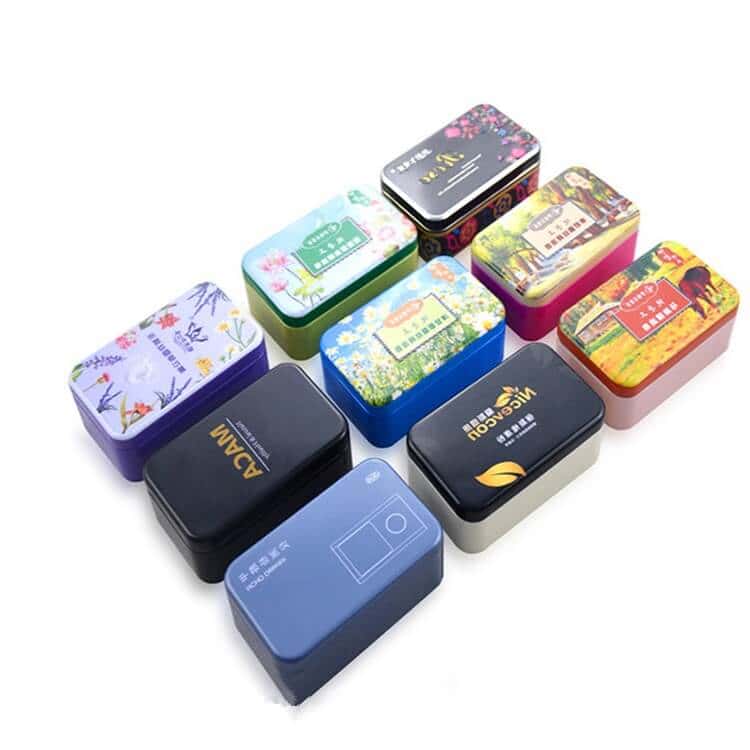
Decorative Tins Wholesale
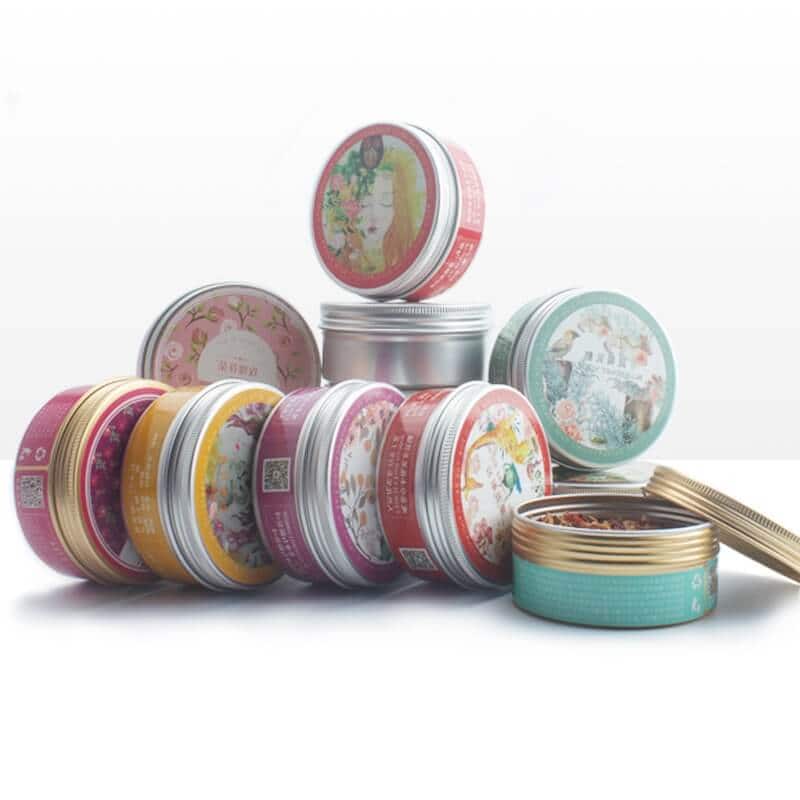
Round tin containers wholesale
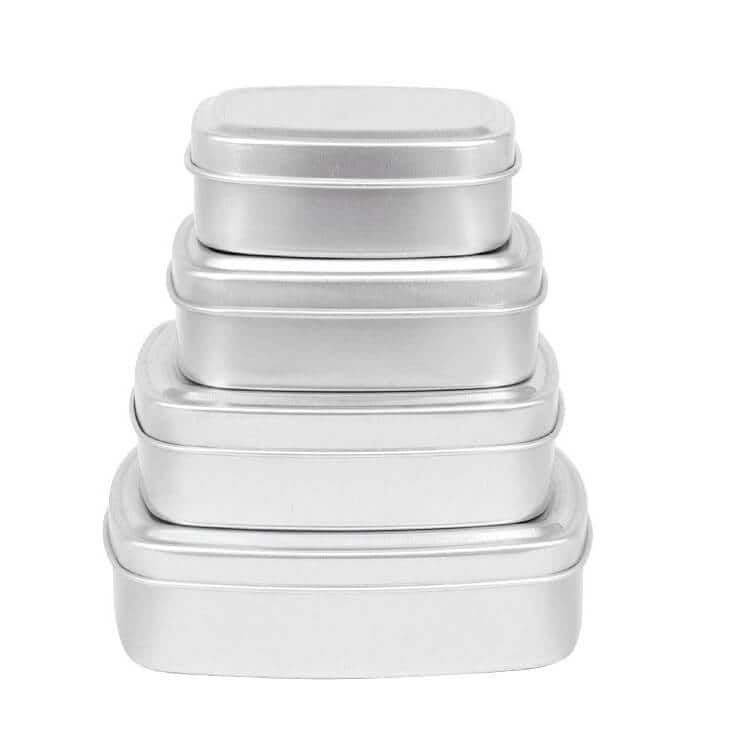
Rectangular and Square tin containers
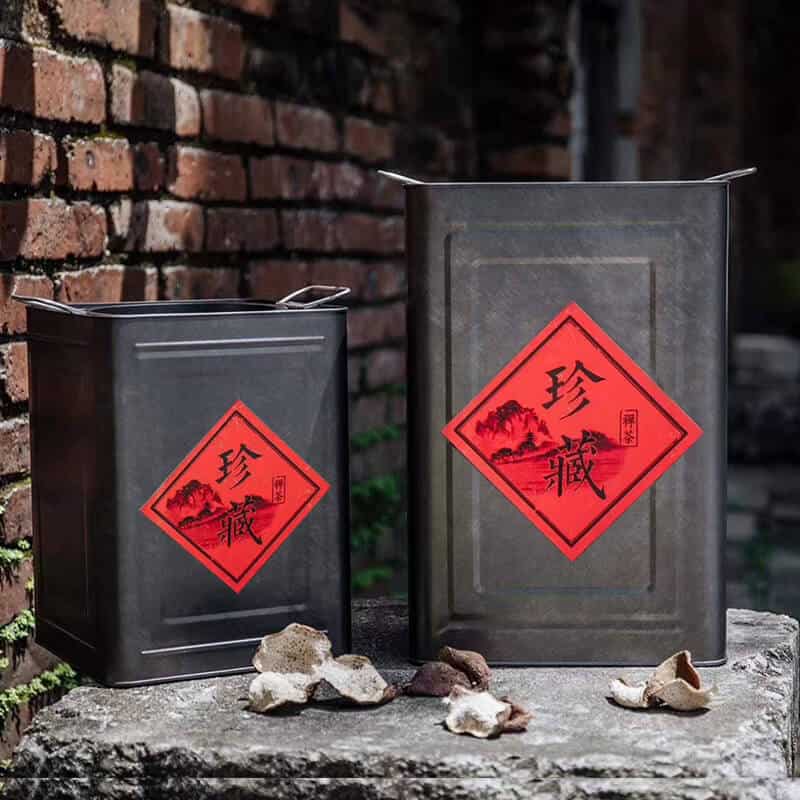
Large Tin Containers
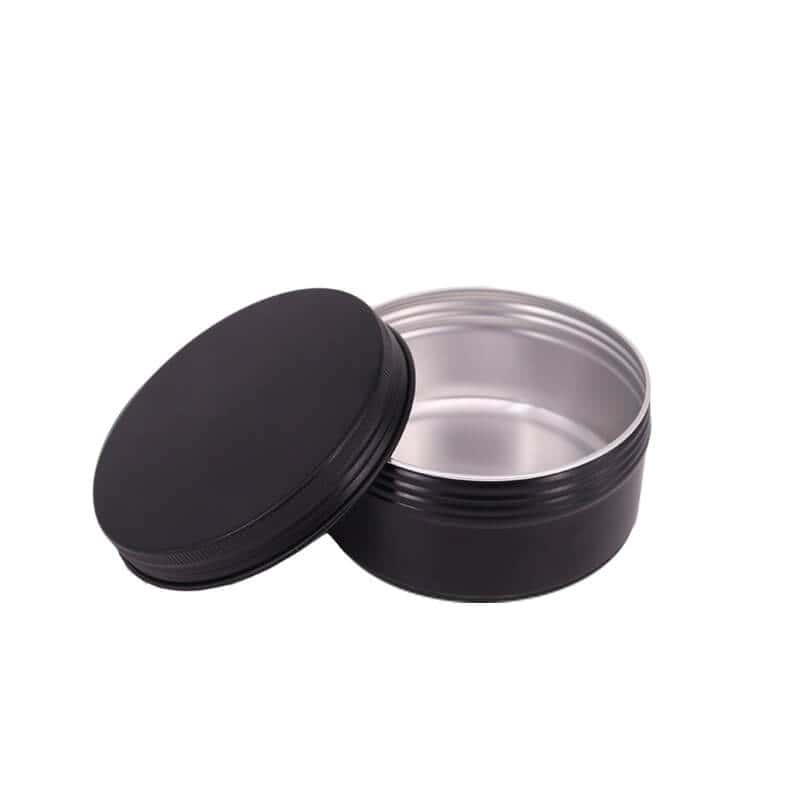
Small Tin Container
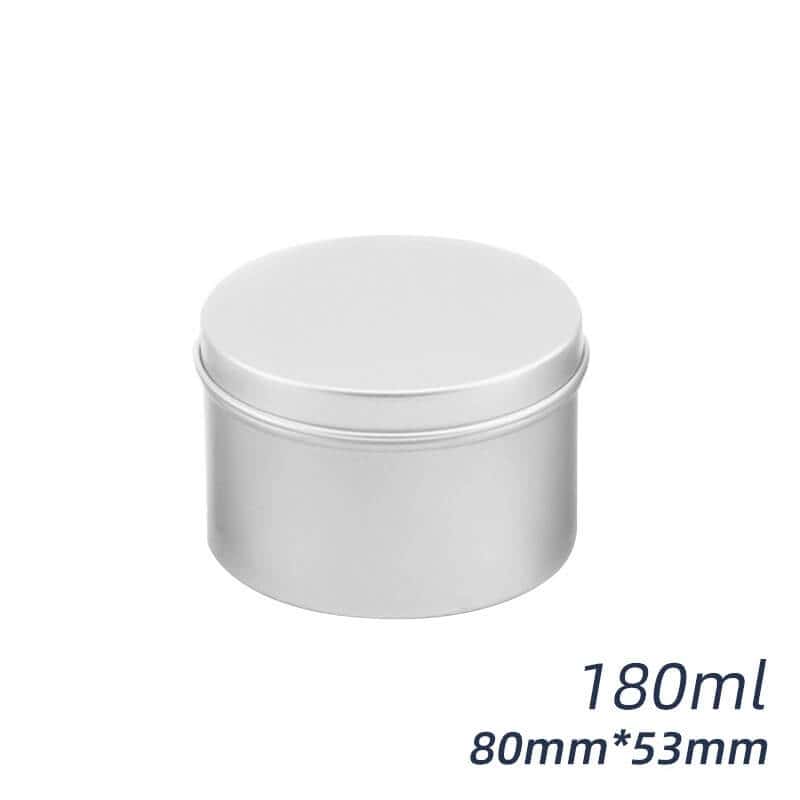
6 oz tins wholesale
8 oz tin containers wholesale
3 oz tin containers wholesale
4 oz tin containers wholesale
2 oz tin containers wholesale