
Whether you’re browsing the aisles of Target or scrolling through Amazon, the sheer variety of water bottles available today is overwhelming. You’ll see bright colors, “eco-friendly” labels, and claims of superior insulation. But behind the aesthetics lies a critical question: Is your water bottle actually safe?
For many Americans, hydration is a top priority, yet we often overlook the container holding our water. Choosing the wrong material can lead to “chemical leaching,” where substances like BPA or microplastics seep into your drink. This isn’t just a matter of taste; it’s a matter of long-term health. According to studies highlighted by organizations like the Environmental Working Group (EWG), certain plastics can disrupt hormones, while low-quality metals might harbor lead or other toxins.
In this guide, we’ll dive deep into the science of safe water bottles. We’ll rank the best materials, expose the risks of plastic, and introduce you to the best water bottle brands that prioritize your health. As a water industry expert, my goal is to help you navigate the marketing hype and find a non-toxic companion for your daily hydration goals.
Why Material Matters: Research & Studies
Before we rank the bottles, it is important to understand why experts are concerned. According to authoritative sources like Branch Basics and environmental health studies, the material of your bottle dictates the purity of your water.
- The Microplastic Crisis: A groundbreaking study published in the Proceedings of the National Academy of Sciences (PNAS) found that the average liter of bottled water contains nearly 240,000 nanoplastic particles. These tiny particles can enter the bloodstream, making plastic bottles a major health concern.
- Hormone Disruption: Research highlighted by the National Institutes of Health (NIH) suggests that even “BPA-Free” plastics often contain substitutes like BPS (Bisphenol S), which can have similar endocrine-disrupting effects as BPA.
- The Safety of Inert Materials: Experts at Branch Basics emphasize that the goal of a safe home is removing “off-gassing” materials. They recommend switching to inert materials—like glass and stainless steel—that do not interact chemically with the substances they hold.
The Safest Water Bottle Materials (Ranked)
Not all materials are created equal. When it comes to purity and chemical stability, the hierarchy is clear. Here is how the most common materials rank for safety.

Glass Water Bottles – The Top Pick
Glass is the gold standard for non-toxic water bottles. Since glass is non-porous and chemically inert, it doesn’t leach any flavors or chemicals into your water. Whether you’re drinking hot tea or ice-cold lemon water, the taste remains “crisp” and pure.
From a health perspective, glass is naturally BPA-free and lead-free. Research from the National Institutes of Health (NIH) suggests that using inert materials like glass is the most effective way to avoid endocrine-disrupting chemicals (EDCs). Most modern glass bottles are made from borosilicate glass (like Pyrex), which is resistant to thermal shock. While they are breakable, most brands now include a medical-grade silicone sleeve for added durability and grip.
Stainless Steel Water Bottles
Coming in a close second is food-grade stainless steel (specifically 18/8 or 304 grade). These bottles are favored for their durability and insulation properties. A high-quality stainless steel bottle won’t rust and doesn’t require a liner, which is a major safety advantage.
However, a word of caution: not all stainless steel is created equal. Some cheaper brands have been found to use a lead-containing solder to seal the vacuum base. To stay safe, stick to reputable water bottle brands that certify their products as lead-free. Stainless steel is also 100% recyclable, making it an excellent choice for both your body and the planet.


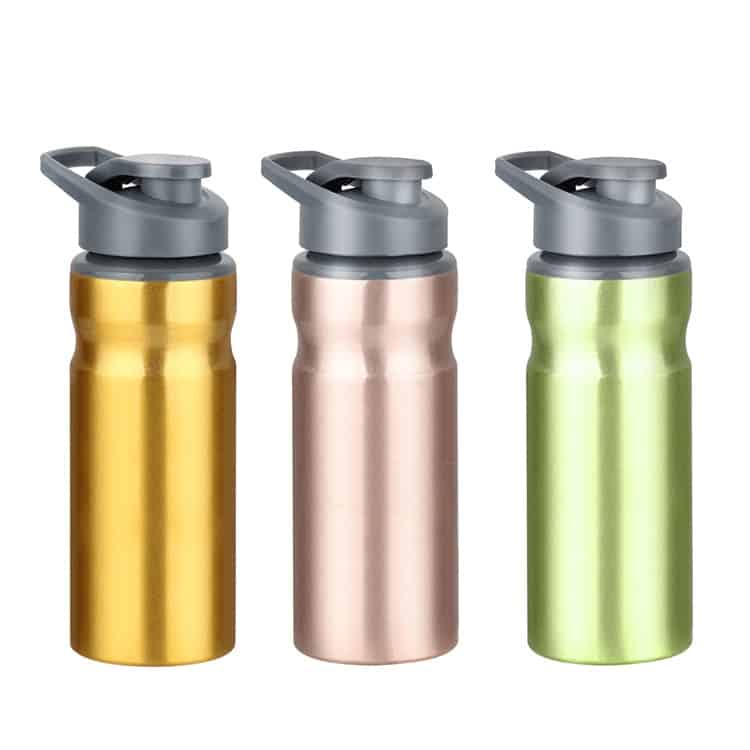
Aluminum Water Bottles – The Eco-Friendly Contender
Aluminum has risen in the ranks significantly. In the past, people worried about raw aluminum reacting with acidic drinks. However, modern aluminum bottles (and aluminum beverage cans) use advanced, food-grade internal liners that are highly safe.
- Why it wins: Aluminum is infinitely recyclable—it is one of the greenest materials on earth. Modern liners are tested to be BPA-free and effectively isolate the liquid from the metal. It is lighter than steel and cools down faster.
- Verdict: A safe, lightweight, and sustainable choice for the eco-conscious consumer.
Why Avoid Plastic Bottles
Plastic is the most common material on the market, but it’s the one experts suggest you avoid. Even “BPA-free” plastics often contain substitute chemicals like BPS or BPF, which studies in journals like Environmental Health Perspectives suggest may be just as harmful to human hormones.
Beyond chemical leaching, plastic bottles—especially single-use ones—are a primary source of microplastics. A recent study published in the Proceedings of the National Academy of Sciences (PNAS) found that bottled water can contain hundreds of thousands of nanoplastic particles per liter. These particles are small enough to enter the human bloodstream. If you must use plastic, look for “Tritan” plastic, but remember that glass and steel are always superior for safety.
Our Favorite Water Bottle Brands
If you’re looking for a reliable, non-toxic option, these 12 brands are industry leaders in safety and quality:
- Lifefactory: Known for high-quality borosilicate glass bottles with iconic protective silicone sleeves.
- Hydro Flask: Famous for their 18/8 stainless steel construction and excellent “TempShield” insulation.
- Klean Kanteen: A pioneer in the industry; they offer BPA-free stainless steel bottles with “Climate Lock” insulation and a chip-resistant coating.
- YETI: Offers ultra-durable, over-engineered stainless steel vessels that are dishwasher safe.
- S’well: Known for their stylish designs and triple-layered vacuum-insulated bottles.
- Purist: Features a unique surgical-grade glass interior fused to a stainless steel exterior for pure taste.
- LARQ: High-tech bottles featuring built-in UV-C LED technology to sanitize your water and the bottle itself.
- CamelBak: Look for their “Eddy+” series in stainless steel or Tritan Renew options for durable daily hydration.
- Iron Flask: A budget-friendly but high-quality stainless steel alternative that comes with multiple lid options.
- Owala: Highly popular for their patented “FreeSip” spout design and verified lead-free construction.
- Liberty Bottleworks: The premier choice for Aluminum. Made in the USA from recycled materials, these bottles use a flexible, BPA-free, and phthalate-free food-grade liner that is baked on to ensure safety.
- SIGG: The legendary Swiss brand famous for Aluminum bottles. They use a proprietary, elastic inner liner that is resistant to fruit acids and completely free of BPA and harmful chemicals.
What to Look For When Buying a Safe Water Bottle
- “Lead-Free” Label: Essential for vacuum-insulated steel bottles.
- Wide Mouth: Narrow necks trap moisture and bacteria. A wide mouth allows you to scrub the bottom, preventing mold.
- Medical-Grade Silicone: If the bottle has a straw or seal, ensure it is made of silicone, not cheap plastic.
- Prop 65 Compliance: Check if the bottle complies with California’s strict Prop 65 regulations regarding toxic chemicals.
What Do You Need to Consider About Non-Toxic Water Bottles?
Choosing a non-toxic water bottle is about more than just the material; it’s about how that material interacts with your lifestyle. For example, if you frequently drink hot coffee or lemon water, glass or high-grade stainless steel are non-negotiable because heat and acidity accelerate chemical leaching.
You should also consider the “Prop 65” warning labels often seen in California. While these are very common, they prompt you to research whether a product contains chemicals known to cause cancer or reproductive harm. A truly non-toxic bottle will use sustainable sourcing and avoid toxic paints or coatings on the exterior. Think of your water bottle as an investment in your daily wellness—it’s something you’ll use thousands of times a year.
Comparison Table: Water Bottle Materials
| Material | Safety Rating | Lead Free? | BPA Free? | Raw Material | Price | Recyclable? |
| Glass | Best | Yes | Yes | Silica Sand | Medium | Yes |
| Stainless Steel | Excellent | Brand Dependent | Yes | Iron/Chrome | Medium/High | Yes |
| Aluminum | Good/High | Yes | Yes (Safe Liner) | Bauxite Ore | Low | Excellent |
| Titanium | Excellent | Yes | Yes | Titanium Ore | Very High | Yes |
| Silicone | Good | Yes | Yes | Silica | Medium | No |
| Copper | Low/Fair | Yes | Yes | Copper Ore | High | Yes |
| Plastic | Poor | Yes | “BPA Free” only | Petroleum | Low | Limited |
Conclusion: Drink Clean, Stay Healthy

Water is the foundation of good health. We drink it every single day to fuel our cells, aid digestion, and keep our minds sharp. It makes no sense to put clean, filtered water into a container that might add toxins back into it.
While the convenience of plastic is tempting, the research suggests that for long-term health, moving away from polymers is the right choice. By investing in safe water bottles made from glass or high-quality stainless steel, you are eliminating a daily source of microplastics and endocrine disruptors.
Whether you choose a sleek glass bottle for your desk or a rugged stainless steel flask for your adventures, the important thing is that you are making an informed choice. Check the materials, trust the best water bottle brands, and drink with confidence knowing your water is as pure as it should be.
FAQ:
Is it safe to put lemon water in a stainless steel bottle?
Yes. High-quality 18/8 stainless steel is non-reactive. It resists corrosion from mild acids like lemon juice or tea, making it safe for all beverages.
Are modern aluminum bottles safe?
Yes. Unlike vintage bottles, modern aluminum water bottles use high-performance, food-grade liners (similar to soda cans) that prevent the liquid from touching the metal. They are safe, lightweight, and BPA-free.
Why is plastic considered unsafe if it is “BPA-Free”?
Answer: Microplastics and chemical substitutes. Why: Manufacturers often replace BPA with BPS, which may be just as harmful. Furthermore, all plastic degrades over time, shedding microscopic plastic particles into your water.
Can I put my water bottle in the dishwasher?
Answer: It depends. Why: Uninsulated glass and single-wall steel are usually safe. However, for vacuum-insulated bottles, the high heat of a dishwasher can damage the vacuum seal. Always check the manufacturer’s instructions.
Why is copper ranked low for safety?
Answer: Reactivity risks. Why: Copper is not inert. If you leave water in it for too long, or add anything acidic (juice, lemon), copper leaches into the drink. Ingesting too much copper can cause nausea and vomiting.
What is the safest material for kids?
Answer: Stainless Steel. Why: While glass is the purest, it is dangerous if dropped. Stainless steel offers the best balance of safety (non-toxic) and durability (won’t shatter on the playground).
Does the black dot on the bottom of my metal bottle contain lead?
Answer: Sometimes, on older or cheaper brands. Why: That dot seals the vacuum. Reputable brands use a glass bead or non-toxic sealant, but cheap manufacturers may use lead solder. Stick to brands that advertise “Lead-Free.”
How often should I wash my reusable bottle?
Answer: Every single day. Why: Bacteria thrive in moist, dark environments. Even if you only drink water, biofilm can build up on the rim and lid. Wash daily with hot, soapy water.
Related articles
How To Choose Safe Water Bottles & Best Water Bottle Brands

How to choose the right food packaging for your product

The Ultimate Guide to DIY Lip Balm Recipes: From Tallow to Vegan Blends

Are Christmas Tins Recyclable

Are Candle Tins Recyclable?

Are Popcorn Tins Recyclable?
Are Aluminum Tins Recyclable?

Water Bottle Sizes

Perfume Bottle Sizes

Why Are Ball Aluminum Cups so good?

How to Store Matcha Powder

Ultimate Guide to Nuts Packaging

Is Tin metal?

Complete Guide to Vitamin & Supplement Packaging

Aluminum Cups: A Revolution Alternative to Paper and Plastic?

Muffin Pan VS Cupcake Pan

Muffin pan sizes

What is a muffin tin

The Ultimate Guide of Matcha Packaging

Can you put aluminum water bottles in the dishwasher

Path Water Bottle Introduction
Are aluminum cups safe

Do Stainless Steel Cups Have Lead?

Is Aluminum Recyclable?
Ultimate Guide for Candle Tins- Metal Candle Containers
Aluminum vs Plastic Water Bottle
Metal and Plastic Cup: Which is Better?
Candle Making FAQ
Tin vs Aluminum Packaging—Which is Better?
Best Candle Jars & Tins & Containers
What Are Tin Cans Made Of
How To Clean Perfume Atomizer
Soy wax vs beeswax
Best Perfume Atomizers -Ultimate Guide 2026
What is a container candle
Are stainless steel cups safe?
Aluminum Cigar Tubes vs Glass Cigar Tubes vs Plastic Cigar Tubes: Which One is the Best?
The Ultimate Guide to the Best Tea Tins: Preserving Freshness and Flavor
Why Tins are Ideal for Tea and Loose Leaf Tea Storage
Candle Tins vs Candle Jars: The Ultimate Showdown
How Long Does Tea Last in a Tin
How long does coffee last in airtight container

Aluminum water bottle vs stainless steel
Recycle Pill Bottles
Aluminum Cups vs Stainless Steel Cups
Bud Light Aluminum Bottle Introduction
Custom tins

Disposable aluminum cups
What is a Perfume Atomizer and How Does It Work?
Candle tins wholesale uk
Best Coffee Canister 2026-Ultimate Guide and Review
Are Aluminum Cups Dishwasher Safe
What Spray Bottles Used To Store And Dispense Degreaser?
Are Aluminum Cups Recyclable and Safe To Drink From?
Are Aluminum Water Bottles Safe

Types of food packaging
Best and easiest recipe to make natural lip balm at home

Are Tins Recyclable?