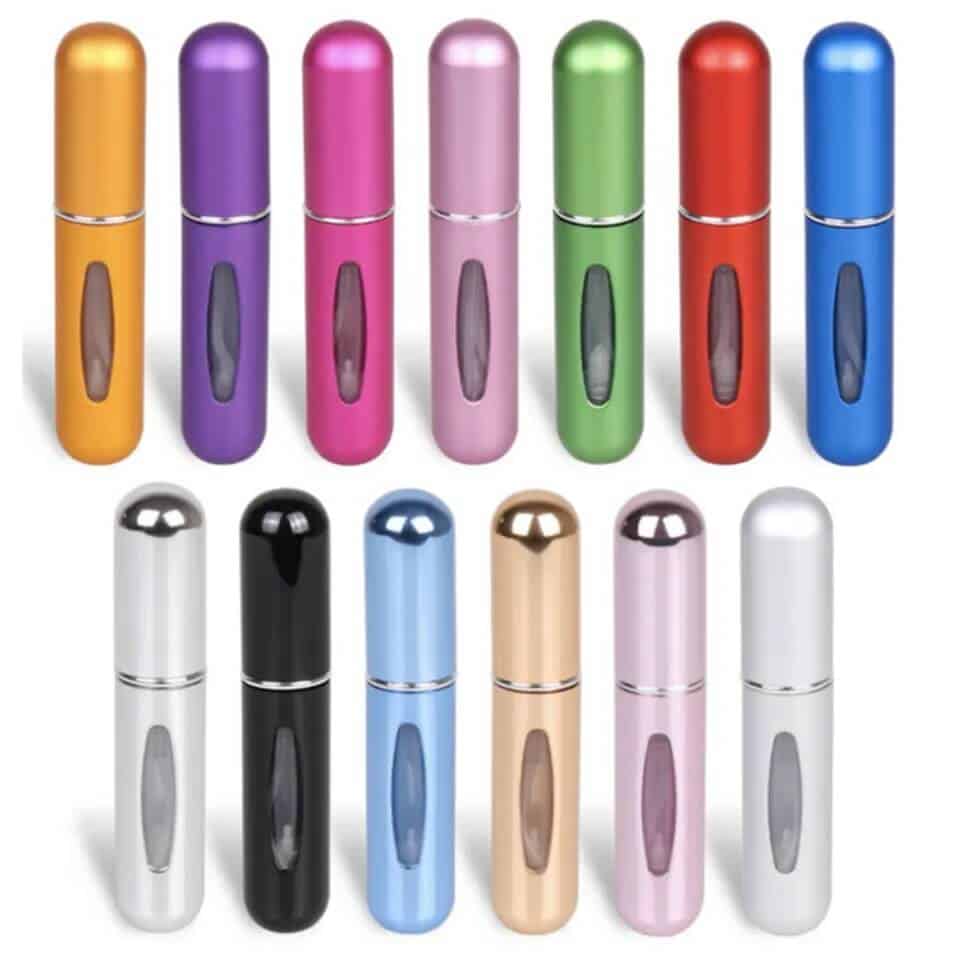

Perfume is widely used in our daily lives. Choosing the right perfume bottles is important, and it always confuses us. Choosing the perfect perfume involves more than just selecting a favorite scent—it also requires understanding the perfume bottle sizes available to suit your lifestyle and needs.
Let’s dig into this article and find the spectrum of perfume bottle sizes.
The Importance of Understanding Perfume Bottle Sizes
When choosing the perfume bottle in stores and shopping malls, there is a big range of different sizes of perfume bottles. You need to understand the correct sizes of perfume bottles.
Measurement Units: Fluid Ounces vs. Milliliters
Before exploring the various sizes of perfume bottles, it’s essential to grasp the standard units of measurement used: milliliters (ml) and fluid ounces (fl oz). Milliliters are universally recognized and used internationally, while fluid ounces are often used in regions like the United States.
Ounce (fl. oz.): Fluid ounces are used in the Engish measurement system to measure units of liquid volume. One fluid ounce is equal to 1/8 of a cup, or 29.6 milliliters.
For instance, a 1.7 oz perfume size is roughly equivalent to 50 ml. Similarly, a 3.4 oz perfume size translates to about 100 ml. Overall as below:
- 0.03 fl. oz. ≈ 1 mL
- 0.17 fl. oz. ≈ 5 mL
- 0.34 fl. oz. ≈ 10 mL
- 0.51 fl. oz. ≈ 15 mL
- 1.01 fl. oz. ≈ 30 mL
- 1.69 fl. oz. ≈ 50 mL
- 2.54 fl. oz. ≈ 75 mL
- 3.38 fl. oz. ≈ 100 mL
- 6.76 fl. oz. ≈ 200 mL


Perfume Bottle Size Chart
Here’s a comprehensive chart that breaks down some of the most common perfume bottle sizes, making it easier for you to find the ideal size for your needs. We also listed the common usage here, so you know how to choose the perfume bottles when you are in the stories.
| Milliliters (mL) | Fluid Ounces (fl. oz.) | Common Usage | Approx. Sprays |
|---|---|---|---|
| 1 – 2 mL | 0.03 – 0.07 fl. oz. | Sample vials | 20 |
| 5 mL | 0.17 fl. oz. | Travel size, miniatures, samples | 50 |
| 10 mL | 0.34 fl. oz. | Travel size, rollerballs | 100 |
| 15 mL | 0.51 fl. oz. | Small travel size | 150 |
| 30 mL | 1.01 fl. oz. | Standard small bottle | 300 |
| 50 mL | 1.69 fl. oz. | Standard medium bottle | 500 |
| 75 mL | 2.54 fl. oz. | Less standard size, larger bottles | 750 |
| 100 mL | 3.38 fl. oz. | Standard large bottle | 1000 |
| 200 mL | 6.76 fl. oz. | Extra large size, value size | 2000 |
| 250 mL and above | 8.45 fl. oz. and above | Collector’s editions, special releases | 2500 and above |
Key Points to Consider When Using the Chart
While the perfume bottle size chart provides a great overview, there are several nuances to consider that will help you make the most informed decision.
- Cost Efficiency: As a general rule of thumb, the larger the bottle, the lower the cost per milliliter. If you have a signature scent you wear daily, investing in a 100ml or even 200ml bottle will typically save you money in the long run compared to continually repurchasing smaller sizes. Think of it like buying in bulk at a supermarket – more quantity often means a better unit price.
- Travel Regulations (TSA/Airport Security): This is a critical consideration for frequent flyers. In both the US (Transportation Security Administration – TSA) and the UK (similar liquid restrictions), liquids in carry-on luggage are generally limited to containers of 3.4 ounces (100 milliliters) or less per item. All these containers must fit comfortably in a single quart-sized (US) or liter-sized (UK), clear, zip-top bag. If you’re traveling, a 30ml, 50ml, 75ml, or 100ml bottle is typically safe for your carry-on, while larger sizes must go in checked luggage. Always double-check current regulations before flying.
- Fragrance Concentration and Longevity: The concentration of your perfume (e.g., Eau de Cologne, Eau de Toilette, Eau de Parfum, Extrait de Parfum) also influences your ideal bottle size.
- Eau de Cologne (EDC) / Eau Fraiche (EF): These are lighter concentrations with less longevity, often requiring more sprays or reapplication throughout the day. A larger bottle might be suitable to accommodate more frequent use.
- Eau de Toilette (EDT): A popular choice for daily wear, offering moderate longevity. Standard sizes like 50ml or 100ml are common.
- Eau de Parfum (EDP): Richer and longer-lasting than EDT. You might need fewer sprays, so a 30ml or 50ml bottle could last a considerable time.
- Extrait de Parfum (Pure Perfume): The most concentrated and longest-lasting form. A small amount goes a long way, making even 5ml or 10ml bottles a significant investment.
- Storage Space: Consider where you’ll keep your perfume. A collection of large bottles can take up considerable vanity or dresser space. Smaller bottles are more discreet and easier to store.
- Experimentation vs. Commitment: If you love to switch up your scents or are just starting your fragrance journey, smaller bottles (10-30ml) allow for experimentation without a hefty commitment. If you’ve found your signature scent, then a larger bottle is a confident declaration of commitment.
By keeping these points in mind, you can effectively use the size chart as a tool to navigate the vast world of perfumes and select bottles that perfectly align with your preferences and practical needs.
Standard Perfume Bottle Sizes
Standard perfume bottle sizes can vary, catering to various preferences and uses. Here’s a detailed look at the typical sizes available in the market, which helps in understanding the options when purchasing a fragrance:
- 30 mL (1 fl. oz.): Often considered a “starter” or “convenience” size. It’s compact, easy to carry, and offers enough product for regular use over a few months, making it a popular choice for those new to a scent or who enjoy having several options.
- 50 mL (1.7 fl. oz.): This is arguably the most ubiquitous and popular standard size. It strikes an excellent balance between cost, quantity, and portability. A 50ml bottle is perfect for daily wear and will last a significant period for most users. It’s a go-to for many, offering good value without being overly large.
- 75 mL (2.5 fl. oz.): A slightly larger alternative to the 50ml, offering more product and better value for those who use their fragrance frequently but still desire a relatively manageable size. It’s often chosen by those who have found a scent they truly love and want more of it.
- 100 mL (3.4 fl. oz.): This is the largest standard size and often offers the best per-milliliter value. It’s ideal for signature scents that are used daily or by those who don’t want to repurchase frequently. Importantly, it’s also the maximum size typically allowed in carry-on luggage for liquids, making it a popular choice for travelers who prefer to keep their favorite scent with them, providing it fits within the liquid bag allowance.
- 200 mL (6.7 fl. oz.) and above: While not as common for every fragrance, these larger “value” or “collector’s” sizes are available for popular scents. They cater to dedicated fans who use a particular fragrance extensively or to collectors looking for a statement piece. These are generally home-use bottles, too large for typical travel.
These standard sizes form the backbone of the perfume market, offering options for every type of user, from the casual spritzer to the dedicated fragrance enthusiast.


A Comparative Analysis of Popular Perfume Bottle Sizes
When it comes to perfume sizes, there’s a lot to consider. From the tiny 1.5ml vials to the grand 250ml bottles, each size has its unique pros and cons.
Small Perfume Bottles (e.g., 1-30 mL / 0.03-1.01 fl. oz.)
Small perfume bottles, like the 10ml perfume bottle size or the 5ml cologne size, are perfect for those who love variety. They fit snugly in a handbag, making them ideal for touch-ups throughout the day. However, they might not be the best value for money in the long run.
Pros:
- Portability: These are the ultimate travel companions, easily fitting into purses, gym bags, or carry-on luggage. Rollerballs (10ml) are particularly popular for quick touch-ups.
- Affordability for Sampling: They offer a low-cost way to test a new fragrance before committing to a larger, more expensive bottle. This is especially useful in a market flooded with new releases.
- Variety: You can own a wider range of scents without breaking the bank or taking up too much space. Think of it as a “fragrance wardrobe.”
- Reduced Risk of Spoilage: If you don’t use perfume very often, a smaller bottle is less likely to degrade before you finish it, as perfume can turn over time once exposed to air and light.
Cons:
- Higher Unit Cost: The cost per milliliter is typically much higher for smaller bottles.
- Frequent Repurchase: If it’s a daily wear, you’ll find yourself replenishing it more often.
- Limited Availability for Some Scents: Not all fragrances are offered in the smallest sizes.
Medium Perfume Bottles (e.g., 50-75 mL / 1.69-2.54 fl. oz.)
The 50 ml perfume size, or the 1.7 oz perfume size, is often seen as the “goldilocks” size. It’s not too big, not too small, and offers a decent amount of fragrance without a hefty price tag. The 100 ml perfume size, or the 3.4 oz perfume size, is also popular for those who have a particular scent they adore.
Pros:
- The “Sweet Spot”: These are often considered the most balanced option, offering a good amount of product without being excessively large or small.
- Good Value: They strike a balance between affordability and quantity, offering a better unit price than smaller bottles.
- Versatility: Suitable for daily use, special occasions, and still manageable for travel if you’re willing to check your luggage or for shorter trips.
- Widely Available: Most fragrance brands offer their popular scents in these standard sizes.
Cons:
- May Still Need Repurchase: Depending on usage, you’ll still need to replace them periodically.
- Not Ideal for Extensive Travel (if over 100ml): While 50ml and 75ml are great, a 100ml starts pushing carry-on limits if you have other liquids.
Large Perfume Bottles (e.g., 100-250 mL+ / 3.38-8.45 fl. oz.+)
For the true fragrance aficionados, larger bottles, like the 3.4 fl oz size or the 6.7 oz bottle size, offer a lasting supply of their favorite scent. However, they can be quite an investment and might not be the best choice for those who like to switch fragrances often.
Pros:
- Best Value: These sizes offer the most economical price per milliliter, making them ideal for your go-to signature scents.
- Longevity: A large bottle will last a very long time, even with daily use, so you won’t need to worry about running out frequently.
- Collector’s Appeal: Many brands release special editions or collector’s items in larger, more visually striking bottles, which can be a statement piece.
Cons:
- Higher Upfront Cost: The initial investment is significantly higher.
- Less Portable: These are not designed for travel and are best kept at home.
- Risk of Spoilage: If you have many perfumes or use one sparingly, a large bottle might degrade before you finish it, especially if not stored properly.
- Commitment: Purchasing a large bottle implies a strong commitment to that particular fragrance.
By carefully considering these comparisons, you can pinpoint the size that best aligns with your consumption habits and priorities, whether it’s convenience, value, or variety. Here we listed a simple chart for the reference:
| Perfume Bottle Size Category | Typical Sizes (mL / fl. oz.) | Pros | Cons | Ideal For |
|---|---|---|---|---|
| Small | 1-30 mL / 0.03-1.01 fl. oz. | Portable, affordable for sampling, allows variety, less risk of spoilage. | Higher unit cost, frequent repurchase, limited availability for some scents. | Travel, trying new scents, building a fragrance wardrobe, occasional use. |
| Medium | 50-75 mL / 1.69-2.54 fl. oz. | Balanced quantity & value, versatile for daily use, widely available. | May still need periodic repurchase, less ideal for extensive carry-on travel (if over 100ml). | Daily wear, good value, general use, gift-giving. |
| Large | 100-250 mL+ / 3.38-8.45 fl. oz.+ | Best value per mL, long-lasting, collector’s appeal. | Higher upfront cost, less portable, risk of spoilage if not used frequently, strong commitment required. | Signature scents, heavy daily users, collectors, home use. |


Factors to Consider When Choosing a Perfume Bottle Size
Selecting the right perfume bottle size isn’t just about aesthetics or budget; it’s a blend of practicality, personal preference, and usage habits. Here are some pivotal factors to ponder when making your choice:
1. Assess Your Usage Frequency:
- Daily Wearer: If you plan to wear the fragrance every day as your signature scent, a 50ml, 75ml, or 100ml bottle offers the best value and longevity.
- Occasional Spritzer: For scents reserved for special occasions, holidays, or a night out, a smaller 30ml or even a 10ml rollerball might be more appropriate. It ensures the perfume doesn’t go bad before you use it all.
- Fragrance Wardrobe Enthusiast: If you have multiple perfumes and like to switch between them frequently, opting for smaller sizes (30ml or 50ml) for each allows for variety without an overwhelming investment in any single bottle.
2. Consider Your Travel Habits:
- Frequent Flyer: Prioritize 30ml or 50ml bottles for carry-on ease, adhering to the 100ml liquid limit. Rollerballs (10ml) are also excellent for travel.
- Road Tripper/Home User: If you primarily use perfume at home or on car trips, larger bottles (100ml+) are perfectly fine as travel restrictions won’t apply.
3. Match Size to Fragrance Concentration:
- Highly Concentrated (Extrait de Parfum, Eau de Parfum): A little goes a long way. Smaller bottles (10ml, 30ml, 50ml) can last surprisingly long due to fewer sprays being needed.
- Lighter Concentrations (Eau de Toilette, Eau de Cologne, Eau Fraiche): These may require more frequent reapplication throughout the day. A 75ml or 100ml bottle might be more practical to avoid running out quickly.
4. Factor in Your Budget:
- Initial Cost vs. Long-Term Value: While larger bottles have a higher upfront cost, they generally offer a better price per milliliter. If you’re confident in your choice, it’s a cost-effective long-term investment.
- Trial First: If you’re unsure about a new scent, start with a sample, miniature (5ml), or travel size (10-15ml) before committing to a full bottle. Many brands offer discovery sets or travel sprays for this purpose.
5. Think About the Recipient (if gifting):
- Introduction to a New Scent: A 30ml or a smaller gift set is perfect.
- Signature Scent Upgrade: If you know their favorite scent, a 50ml or 100ml bottle is a generous and appreciated gift.
- Collector’s Item: For a true fragrance connoisseur, a unique or limited edition large bottle can be a show-stopper.
6. Environmental Impact
- Sustainability: Consider the environmental impact of your purchase. Larger bottles mean less waste and packaging peruse, which could be a deciding factor if you are environmentally conscious.
7. Evaluate the Perfume’s Longevity
- Perfume Shelf Life: Perfumes generally have a shelf life of 3 to 5 years. Larger bottles may not be a wise investment if you don’t use the perfume within this period, as the fragrance can degrade over time.
- Exposure to Air: Each time a perfume bottle is opened, the fragrance is exposed to air, which can accelerate degradation. Smaller bottles, used up more quickly, can maintain their integrity better.
8. Special Editions and Releases
- Collector’s Items: Sometimes, special editions come in unique sizes that might be more expensive but can offer distinctiveness or collectible appeal.
Understanding the Number of Sprays per Perfume Bottle Size
Have you ever wondered how long your perfume bottle will actually last? It’s a common question, and while it depends heavily on your personal spraying habits, we can provide some useful estimates based on typical atomizer outputs. Knowing these figures can help you plan your purchases and understand the longevity of your fragrance investment.
The number of sprays per bottle is primarily determined by the total volume of liquid and the amount of fragrance dispensed with each press of the atomizer. Most standard atomizers deliver approximately 0.1 to 0.15 milliliters per spray. For our estimates, we’ll use an average of 0.125 mL per spray.
Here’s an approximate breakdown of sprays you can expect from common perfume bottle sizes:
- 5 mL (0.17 fl. oz.) – Miniatures/Dabbers:
- Approximate Sprays: 40-75 (often dabbers, so less precise)
- Note: Miniatures sometimes lack a spray mechanism, intended for dabbing, which can yield more applications but fewer “sprays.”
- 10 mL (0.34 fl. oz.) – Rollerballs/Travel Sprays:
- Approximate Sprays: 80-120
- Great for focused application and touch-ups.
- 15 mL (0.51 fl. oz.) – Small Travel Size:
- Approximate Sprays: 120-180
- 30 mL (1.01 fl. oz.) – Small Standard Bottle:
- Approximate Sprays: 240-360
- If you use 2-3 sprays daily, this bottle could last you 3-6 months.
- 50 mL (1.69 fl. oz.) – Standard Medium Bottle:
- Approximate Sprays: 400-600
- With 2-3 sprays per day, this could last anywhere from 5-10 months. This is why it’s so popular!
- 75 mL (2.54 fl. oz.) – Larger Standard Bottle:
- Approximate Sprays: 600-900
- 100 mL (3.38 fl. oz.) – Standard Large Bottle:
- Approximate Sprays: 800-1200
- For a daily user applying 2-3 sprays, a 100ml bottle could easily last 1-2 years, offering excellent long-term value.
- 200 mL (6.76 fl. oz.) – Extra Large/Value Size:
- Approximate Sprays: 1600-2400
- This is a substantial amount of fragrance, suitable for very heavy daily users or those who want to ensure they never run out of a beloved scent.
Factors Affecting Spray Count:
- Atomizer Quality: High-quality atomizers often produce a finer mist, potentially using slightly less product per spray.
- Fragrance Concentration: As discussed earlier, highly concentrated perfumes (Extrait de Parfum, EDP) typically require fewer sprays for desired longevity and projection compared to lighter concentrations (EDT, EDC).
- Personal Usage: Some people prefer a subtle hint of fragrance, while others enjoy a more generous application. Your personal preference will be the biggest factor in how quickly you go through a bottle.
By keeping these estimates in mind, you can better anticipate how long your perfume investment will last and plan your purchases accordingly.
Tips for Proper Storage and Preservation of Perfume Bottles
Perfumes are a delicate blend of various components, with top notes being the most volatile and the first to evaporate. Proper storage is essential to maintain the integrity of these notes and the overall fragrance. Here are some tips to ensure your perfume lasts a long time:
- Avoid Direct Sunlight: Sunlight can degrade the top notes of a perfume and alter its composition. Always store your perfume in a cool, dark place.
- Original Packaging: While it might be tempting to display your big bottle of perfume, it’s a rule of thumb to keep it in its original packaging. This packaging is designed to protect the fragrance from external factors that might compromise its quality.
- Temperature Consistency: Avoid storing your perfume in places with fluctuating temperatures, like the bathroom. A conventional size ml bottle, even the smallest size, deserves a stable environment.
- Avoid Open Spaces: If you’ve bought a bigger size bottle, it might take a long time to use up. Ensure it’s tightly sealed to prevent evaporation and degradation of top notes.
- Be Wary of Online Purchases: While platforms like eBay offer a variety of fragrances, ensure you’re buying from a reputable seller. Improper storage before purchase can affect the perfume’s quality.
- Rotate Your Collection: If you have multiple small bottles of different fragrances, rotate their usage. This ensures that no single bottle sits unused for an extended period.
- Maintain a Consistent Environment: Extreme fluctuations in temperature and humidity are more damaging than a stable, slightly warmer environment. Moving a bottle frequently from a cool bedroom to a steamy bathroom, for example, is not advisable.
- Keep the Original Cap On: Always replace the cap tightly after each use. This minimizes exposure to air, which can cause oxidation and evaporation of the alcohol and delicate fragrance molecules. Air is another major factor in a perfume’s degradation.
- Store Upright: While some bottles might look stylish lying down, storing them upright is generally best. This helps prevent the liquid from constantly touching the atomizer mechanism, which can lead to leaks or faster degradation of the spray pump components.
- Avoid Shaking: There’s no need to shake a perfume bottle. The ingredients are already well-blended, and vigorous shaking can introduce air bubbles, potentially speeding up oxidation.
- Consider a Mini-Fridge (Optional): For very precious or rare fragrances, some enthusiasts use dedicated mini-fridges (not a regular food fridge, which is too cold and humid) to maintain a consistently cool environment. This is an extra step for serious collectors but not necessary for most people.
- Note Shelf Life: While there’s no strict expiration date, most perfumes are designed to last 3-5 years after opening if stored correctly. Trust your nose – if the scent changes significantly, smells “off,” or has a different color, it might be time to replace it.
Remember, perfumes are an investment in personal expression. Proper care and storage can extend their life, ensuring you enjoy every spritz to the fullest. Whether you have a conventional size bottle or a collection spanning from the smallest size vials to the biggest bottles, these tips can help preserve the essence of your fragrances. Besides proper storage, the quality of each parts of a perfume bottle is also crucial.
Conclusion

Understanding the sizes and proper storage of perfume bottles is essential for any fragrance enthusiast. Knowing the differences between milliliters and fluid ounces helps you choose the right size for your needs, while practical storage ensures your perfumes maintain their quality over time.
Whether you’re a fragrance newbie or a seasoned perfumer, understanding the various sizes and their benefits can help you make informed decisions. From the petite 5ml perfume size to the grand 250ml bottles, there’s a size for every need and preference. So, the next time you’re in a perfume store, you’ll know exactly what to look for!
Contact us

Related Products

How To Choose Safe Water Bottles & Best Water Bottle Brands

How to choose the right food packaging for your product

The Ultimate Guide to DIY Lip Balm Recipes: From Tallow to Vegan Blends

Are Christmas Tins Recyclable

Are Candle Tins Recyclable?

Are Popcorn Tins Recyclable?
Are Aluminum Tins Recyclable?

Water Bottle Sizes
Perfume Bottle Sizes

Why Are Ball Aluminum Cups so good?

How to Store Matcha Powder

Ultimate Guide to Nuts Packaging

Is Tin metal?

Complete Guide to Vitamin & Supplement Packaging

Aluminum Cups: A Revolution Alternative to Paper and Plastic?

Muffin Pan VS Cupcake Pan

Muffin pan sizes

What is a muffin tin

The Ultimate Guide of Matcha Packaging

Can you put aluminum water bottles in the dishwasher

Path Water Bottle Introduction
Are aluminum cups safe

Do Stainless Steel Cups Have Lead?

Is Aluminum Recyclable?

Refillable perfume atomizer
Ultimate Guide for Candle Tins- Metal Candle Containers
Aluminum vs Plastic Water Bottle
Metal and Plastic Cup: Which is Better?
Candle Making FAQ
Tin vs Aluminum Packaging—Which is Better?
Best Candle Jars & Tins & Containers
What Are Tin Cans Made Of
How To Clean Perfume Atomizer
Soy wax vs beeswax
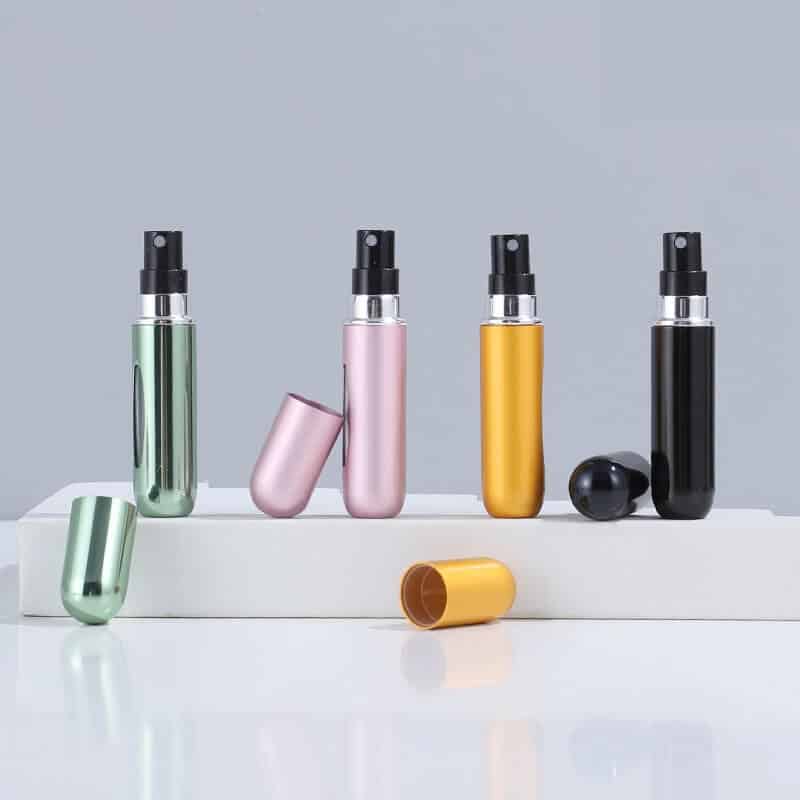
Best Perfume Atomizers -Ultimate Guide 2026
What is a container candle
Are stainless steel cups safe?
Aluminum Cigar Tubes vs Glass Cigar Tubes vs Plastic Cigar Tubes: Which One is the Best?
The Ultimate Guide to the Best Tea Tins: Preserving Freshness and Flavor
Why Tins are Ideal for Tea and Loose Leaf Tea Storage
Candle Tins vs Candle Jars: The Ultimate Showdown
How Long Does Tea Last in a Tin
How long does coffee last in airtight container

Aluminum water bottle vs stainless steel
Recycle Pill Bottles
Aluminum Cups vs Stainless Steel Cups
Bud Light Aluminum Bottle Introduction
Custom tins

Disposable aluminum cups